Why Open Source Matters
Open Source AI: A Pillar for Future Innovation
Discover how open source AI is shaping the technology landscape and why it remains vital in 2026.
Open source AI is not just a trend—it’s a necessity. In 2026, as AI systems become more integrated into daily life, the transparency and collaborative potential of open source remain crucial. Why? Because open source AI enables innovation through community engagement and shared knowledge, ensuring that AI progresses in a way that benefits everyone, not just a select few.
Chapter 01
Community-Driven Innovation
Exploring the role of the open source community in advancing AI technology.
The Power of Collaboration
In the realm of AI development, the collective intelligence of an open source community provides unparalleled advantages. Developers and researchers from across the globe contribute, ensuring that the latest innovations are quickly integrated and shared. This collaborative environment accelerates problem-solving and fosters creativity, leading to breakthroughs that might not emerge in isolated, proprietary settings.
Reducing Bias and Enhancing Fairness
Open source AI projects benefit from diverse perspectives, which are essential for reducing bias. When multiple voices contribute to a project, it leads to more inclusive algorithms that better represent a global population. This diversity not only makes AI systems fairer but also enhances their robustness and adaptability.
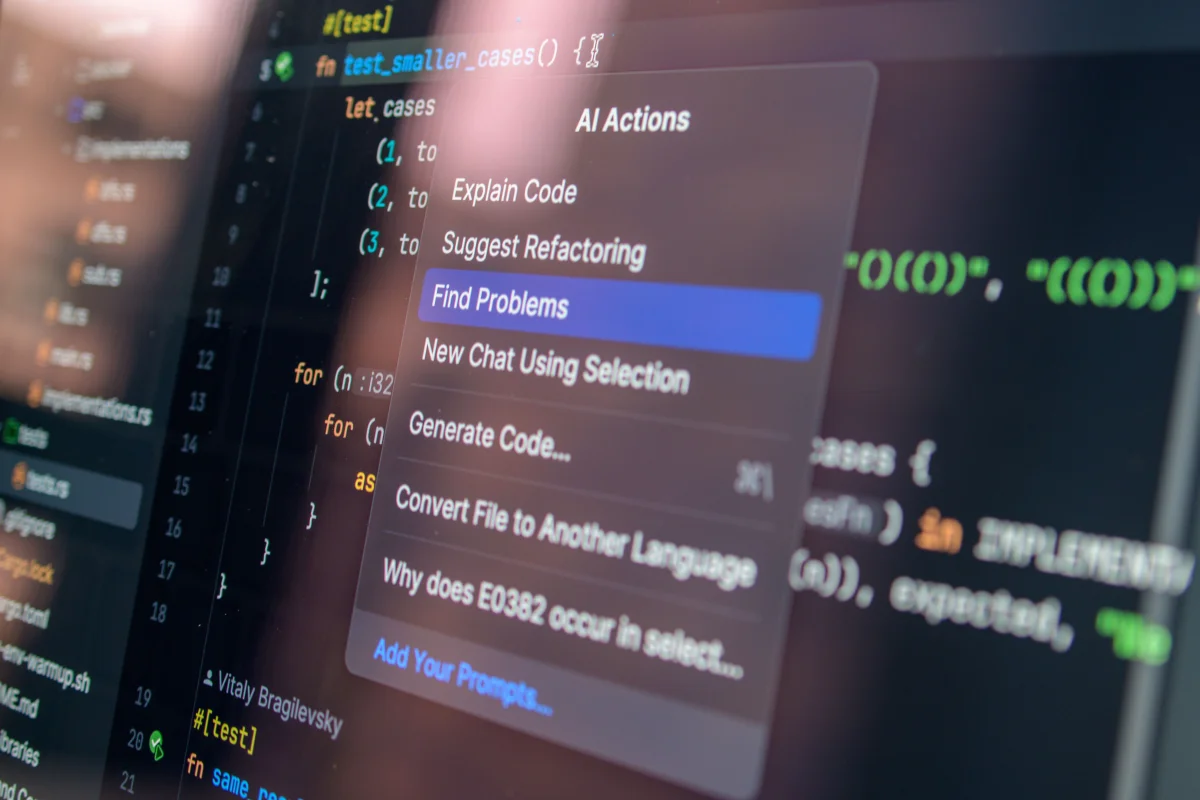
Why? Because open source AI enables innovation through community engagement and shared knowledge, ensuring that AI progresses in a way that benefits everyone, not just a select few.
Chapter 02
The Importance of Open Standards
Why open standards in AI are critical for future innovation.
Interoperability and Flexibility
Open standards ensure that AI technologies are interoperable, allowing developers to build systems that can work seamlessly with other tools and platforms. This flexibility is crucial for preventing vendor lock-in, where businesses are trapped within a single provider’s ecosystem. Open standards empower organizations to switch providers or integrate new tools without starting from scratch.
Narrative flow
Scroll through the argument
01
Step 1: Establishing Open Protocols
Open protocols form the backbone of interoperability, ensuring that different AI systems can communicate effectively.
02
Step 2: Encouraging Community Adoption
Widespread community adoption of open standards ensures they are continuously improved and widely implemented.
03
Step 3: Preventing Vendor Lock-In
By adhering to open standards, organizations maintain flexibility in choosing and switching between AI tools.
Open Source AI in Action



As we look towards the future, the role of open source in AI development remains as critical as ever. Its ability to drive innovation, enhance fairness, and maintain flexibility ensures that technology serves the greater good. The open source community continues to be a beacon for those seeking to create a more inclusive and effective AI landscape.
In conclusion, open source AI is far from being a relic of the past; it is the foundation upon which future innovations will stand. As we harness the collective power of global communities, open source will continue to shape AI in ways that are equitable, transparent, and forward-thinking.