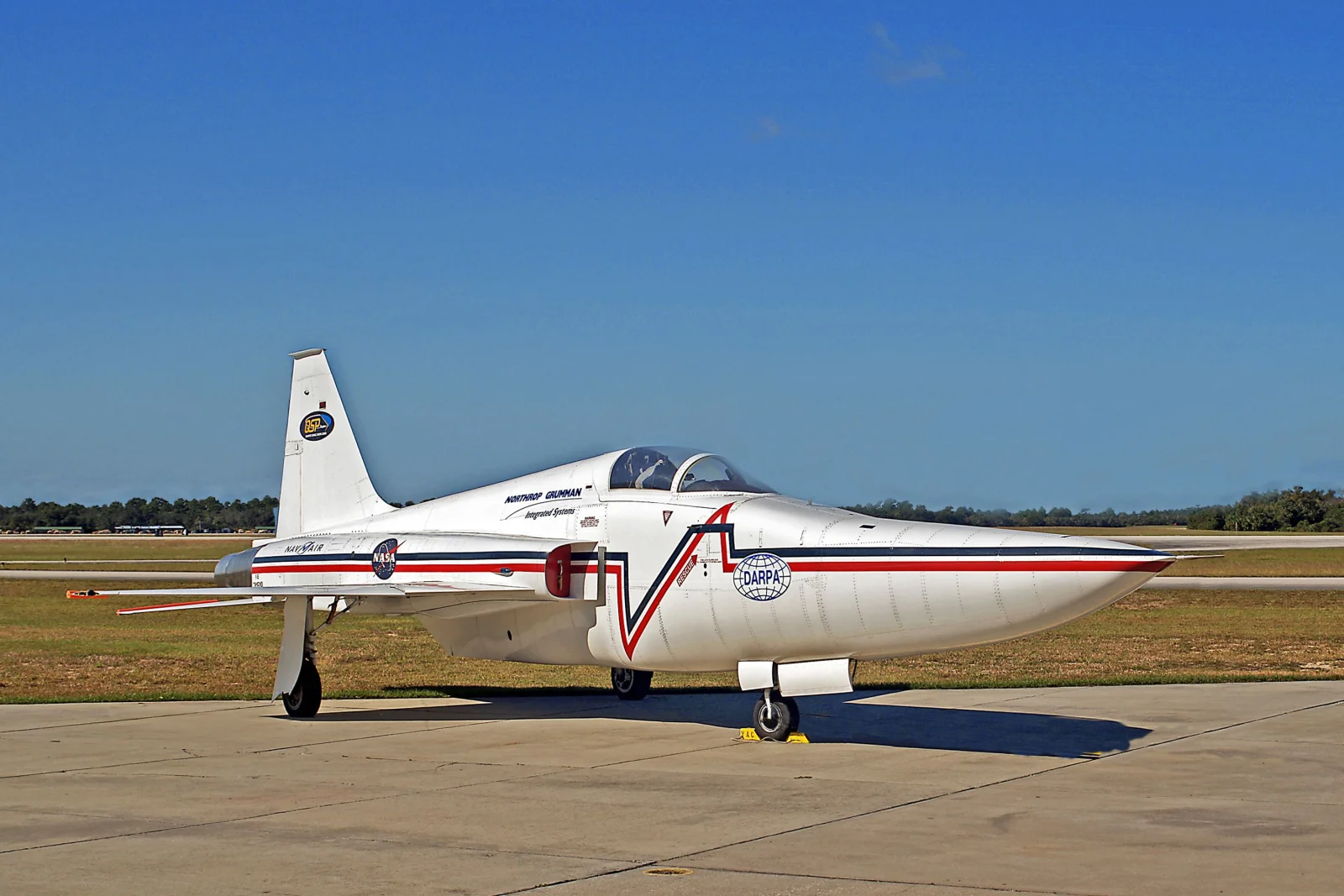
NASA’s X-59 QueSST project marks a new era in aerospace innovation. The journey to achieve supersonic flight without the disruptive sonic boom could redefine air travel. Traditional supersonic jets create loud booms, limiting their operation over land. If successful, the X-59 could lead to new regulations, allowing quieter supersonic travel across continents.
Chapter 01
The Sound Barrier
Understanding the challenges of supersonic flight and the breakthrough potential of the X-59.
Breaking the Sonic Boom
Supersonic travel has long been marred by the infamous sonic boom—a thunderous noise created when an aircraft exceeds the speed of sound. This acoustic phenomenon has restricted commercial supersonic flights over populated areas. The X-59 project aims to tackle this barrier with a revolutionary airframe design that shapes shockwaves to minimize noise.
- Aerodynamic Design: Sleek body reduces drag.
- Shockwave Shaping: Innovative nose design disperses shockwaves.
- Noise Reduction: Lowers perceived sound to a soft thump.
- Regulatory Impact: Potential to lift overland flight bans.
- Commercial Appeal: Opens new flight paths.
- Passenger Comfort: A quieter journey at high speeds.
Aerodynamics and Innovation
The X-59 leverages advanced aerodynamics to achieve its goals. The aircraft’s nose is elongated, allowing it to control the distribution of shockwaves. This reduces the acoustic footprint, turning the sonic boom into a barely noticeable thud. The design’s success could revolutionize not just military but also commercial aviation.
Historical Context
Historically, supersonic travel has been limited to military applications. The Concorde, a commercial supersonic jet, was decommissioned due to noise restrictions and economic factors. The X-59 could reignite interest in supersonic travel by addressing these limitations head-on.
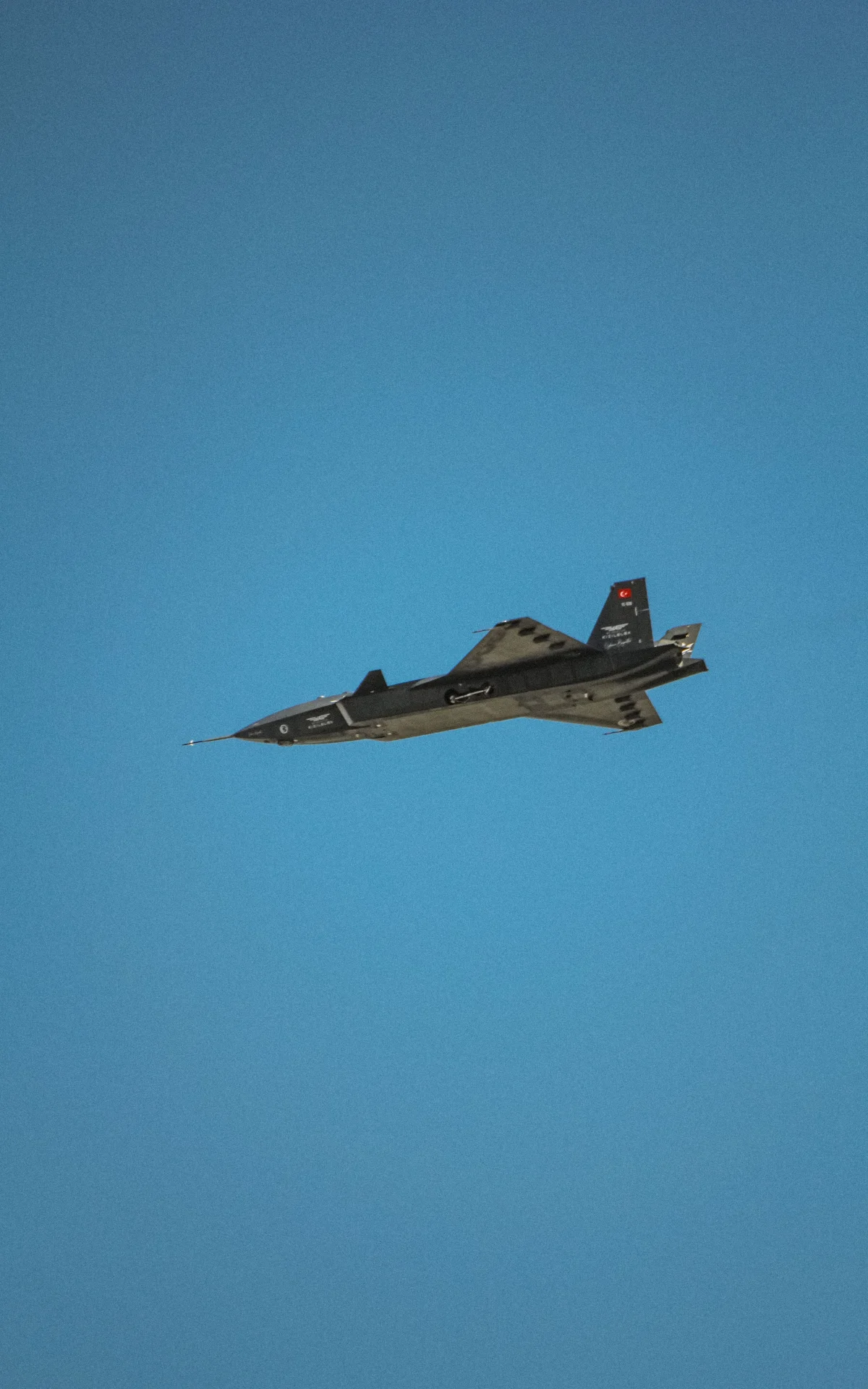
NASA's X-59 QueSST project marks a new era in aerospace innovation.
Chapter 02
Engineering the Future
Exploring the technical marvels and engineering feats behind the X-59's quest for silent supersonic travel.
Narrative flow
Scroll through the argument
01
Step 1: Design
Engineers crafted a unique airframe to manage shockwave distribution and minimize noise.
02
Step 2: Testing
Wind tunnel tests simulate conditions to refine the aircraft's performance before actual flights.
03
Step 3: Implementation
Collaborative efforts ensure that the technology can be scaled for commercial use.
Design Complexity
The X-59’s design is a masterpiece of modern engineering. Its long, slender body helps it slip through the air with minimal resistance, while its intricate internal systems manage pressure and temperature, ensuring a quiet ride at incredible speeds.
Collaboration and Testing
NASA’s collaboration with industry leaders and international partners is crucial. Extensive simulations and wind tunnel tests are conducted to validate the aircraft’s performance, ensuring the X-59 meets all regulatory and safety standards.
Overcoming Challenges
Achieving silent supersonic flight is not without its challenges. Engineers must balance innovation with practicality, ensuring the aircraft is not only quiet but also economically viable and environmentally sustainable.
X-59 in Action
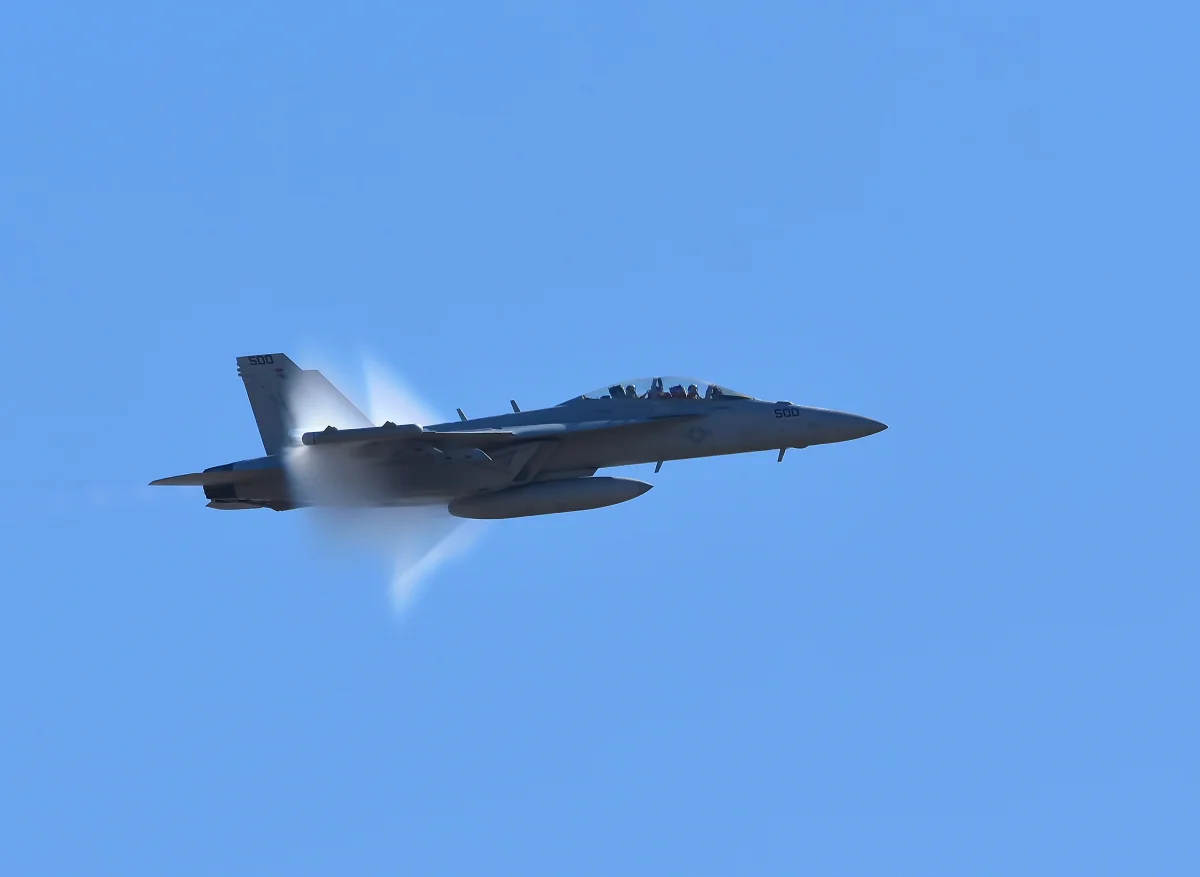
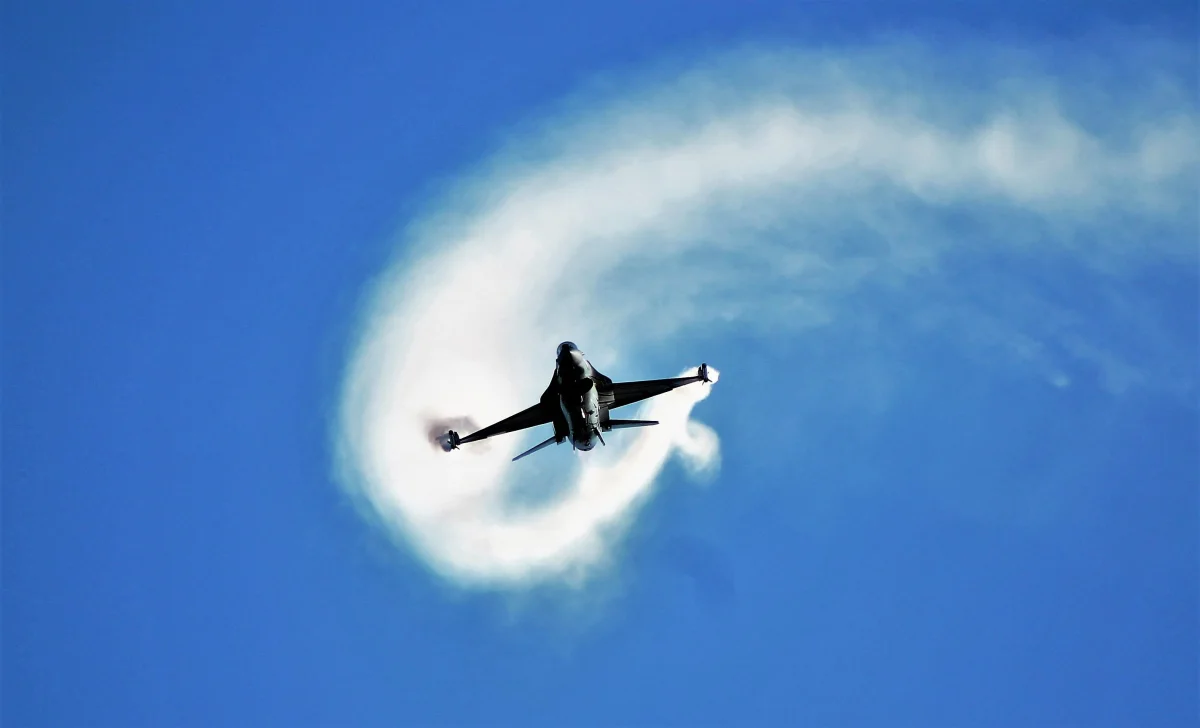
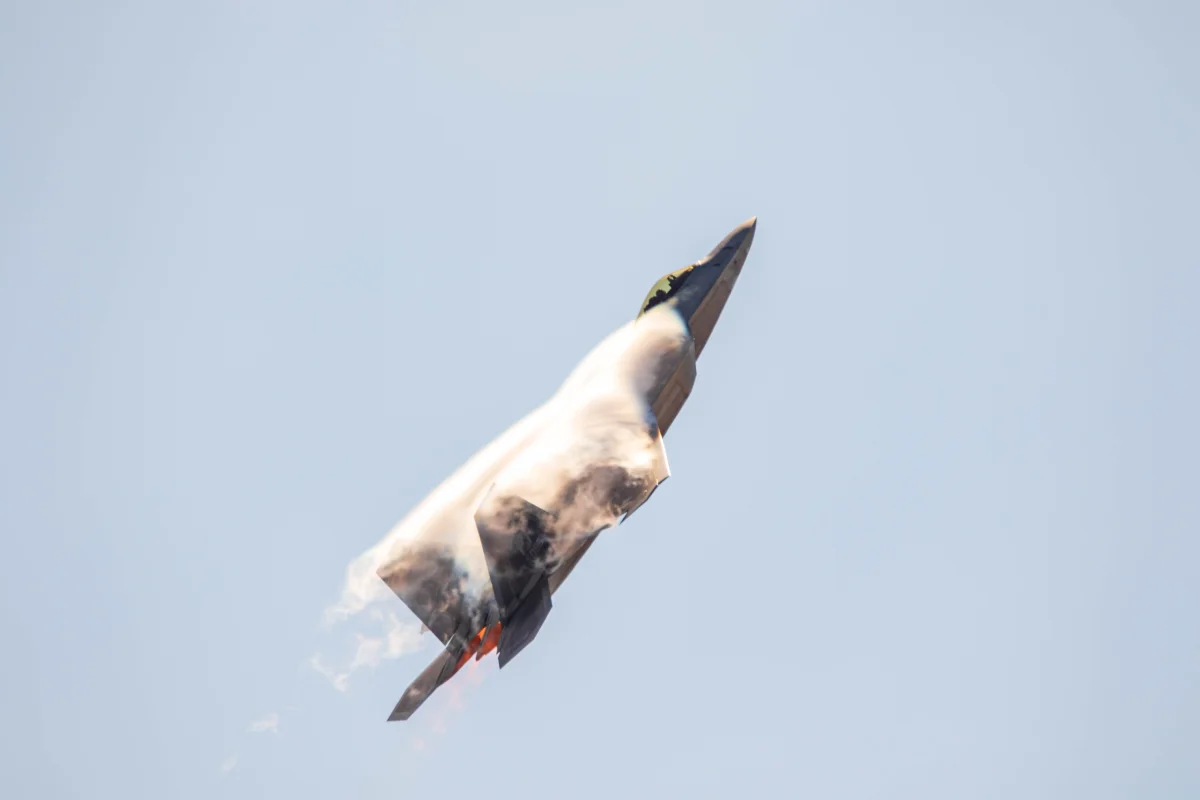
The X-59’s journey from concept to reality is a testament to human ingenuity. As the aircraft prepares for its maiden flights, the world watches with anticipation. Successful tests could signal a new dawn for aviation, where silent supersonic travel becomes the norm.
Chapter 03
Toward a New Era
What the success of the X-59 means for the future of air travel and the broader implications for technology and society.
The Road Ahead
NASA’s X-59 is more than just an aircraft; it symbolizes a potential paradigm shift in aviation. If successful, the project could lead to new regulatory frameworks that allow for supersonic travel over land, transforming the way we think about distance and time.
- Regulatory Changes: Potential to redefine aviation policies.
- Commercial Opportunities: Opens markets for faster travel.
- Environmental Impact: Reduced noise pollution.
- Economic Considerations: Cost-effective supersonic travel.
- Technological Advancements: Paves the way for further innovations.
- Global Connectivity: Shortens travel times worldwide.
Real-World Implications
The implications of a successful X-59 test extend beyond aviation. Industries reliant on rapid transportation could see massive shifts in logistics and supply chain operations, enhancing global economic connectivity.
Best Practices and Recommendations
For the X-59 to fulfill its promise, continued innovation and collaboration are key. Stakeholders must prioritize safety, sustainability, and scalability to ensure the technology is viable for widespread use.
Chapter 04
A Quieter Tomorrow
The lasting impact of NASA's X-59 and the promise of quieter, faster air travel.
Transforming Air Travel
The quiet supersonic capabilities of the X-59 can redefine air travel. By eliminating the sonic boom, the aircraft opens the door to new possibilities, making high-speed travel accessible and sustainable.
Practical Implementation
The next steps involve rigorous testing and data analysis to fine-tune the technology. These efforts will ensure that the X-59 not only meets but exceeds expectations, setting the standard for future supersonic aircraft.
Trade-offs and Considerations
While promising, the transition to silent supersonic travel involves trade-offs. Balancing cost, efficiency, and environmental impact will be essential for the X-59’s success.
In the end, NASA’s X-59 isn’t just about breaking the sound barrier; it’s about breaking barriers in human potential and connectivity. As the world eagerly anticipates its first flight, the X-59 promises a future where the sky is not the limit, but just the beginning.