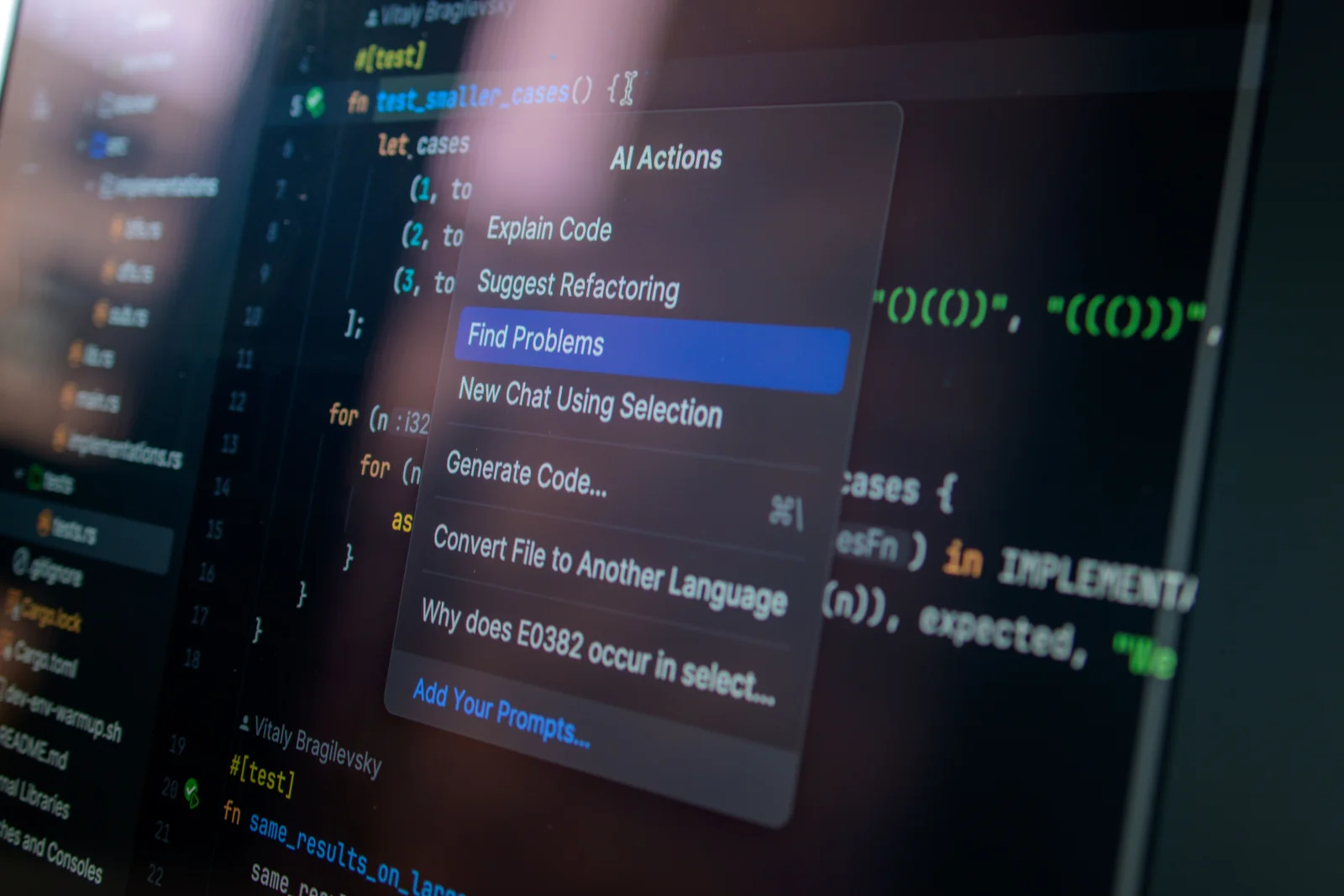
The age of local AI coding tools is upon us, marking a significant shift in how developers approach building intelligent applications. With the ability to harness machine learning directly on their machines, developers no longer need to rely on cloud-based solutions. This evolution not only boosts efficiency but also enhances privacy and control over sensitive data. As AI models become more sophisticated, local development environments are proving to be the game-changer that software engineers have long awaited.
Chapter 01
The Rise of Local AI Development
Unpacking the transformation from cloud reliance to local autonomy in AI coding.
Local AI: Breaking Free from the Cloud
For years, cloud-based AI solutions have dominated the landscape, offering scalable resources and advanced capabilities. However, the emergence of powerful local AI coding tools is challenging this paradigm. By operating locally, developers can exploit the full potential of their hardware, ensuring faster processing times and enhanced data security.
- Reduced latency: Local processing eliminates cloud communication delays.
- Privacy control: Data remains on local machines, reducing exposure risks.
- Cost efficiency: Eliminates recurring cloud service fees.
- Integration: Seamlessly incorporate AI into existing development workflows.
- Offline functionality: Continue development without internet constraints.
- Customization: Tailor AI models to specific project needs without external dependencies.
Enhancing Developer Workflow
Local AI tools are designed to integrate seamlessly with popular Integrated Development Environments (IDEs) like VS Code and PyCharm. This integration empowers developers to receive real-time AI-driven suggestions, which accelerates coding and enhances code quality. By embedding AI capabilities directly into their workflows, developers can focus on creativity and problem-solving rather than mundane tasks.
A Historical Perspective
The journey to local AI development didn’t happen overnight. Initially, AI models required substantial computational resources only accessible via the cloud. However, recent advancements in hardware and software have democratized this power, allowing even personal computers to run complex models efficiently. This shift is reminiscent of the early days of computing, where the transition from mainframes to personal computers revolutionized the industry.
However, the emergence of powerful local AI coding tools is challenging this paradigm.
Chapter 02
Implementing Local AI Solutions
Practical steps and considerations for leveraging local AI coding tools effectively.
Getting Started with Local AI Coding
Developers eager to embrace local AI coding tools can begin by setting up their environment to support machine learning frameworks like TensorFlow and PyTorch. These frameworks provide the necessary infrastructure to build, train, and deploy AI models locally.
- Hardware Setup: Ensure your machine has sufficient RAM and a capable GPU for optimal performance.
- Software Installation: Install necessary libraries and frameworks compatible with your chosen IDE.
- Model Training: Use local datasets to train models, ensuring data privacy and compliance.
- Deployment: Deploy models within your local environment or as part of your application architecture.
A Real-world Example
Consider a scenario where a developer is building a recommendation system for an e-commerce application. By using local AI tools, they can train the model on purchase history data directly from their machine, eliminating the need for sensitive data transfer to the cloud. This approach not only safeguards customer privacy but also enhances the model’s responsiveness by reducing latency.
Best Practices for Local AI Development
To maximize the benefits of local AI coding tools, developers should adhere to best practices such as regular model updates, continuous evaluation of model performance, and leveraging open-source tools for community-driven improvements.
import tensorflow as tf

# Define a simple sequential model
model = tf.keras.Sequential([
    tf.keras.layers.Dense(64, activation='relu'),
    tf.keras.layers.Dense(1)
])

# Compile the model
model.compile(optimizer='adam',
              loss='mean_squared_error')

# Train the model
model.fit(train_data, train_labels, epochs=10)
Local AI coding tools have reached a pivotal point in their evolution, offering developers the power and flexibility to create complex applications with unprecedented ease. As these tools continue to advance, they promise to redefine the boundaries of what’s possible in software development, making them an essential part of the developer’s toolkit. The future of AI development is local, and it’s already making waves in the industry.