
Modern Web Guidance 1.0 is redefining how developers approach web projects. It’s not just about building web applications; it’s about crafting experiences that are fast, secure, and scalable. By adopting modular architectures and prioritizing performance, developers can deliver projects that meet the demands of today’s digital landscape.
Chapter 01
Modular Architecture
Explore how modular design is transforming complexity into simplicity.
Embracing Modularity
Modular architecture is becoming a cornerstone in modern web development. By breaking down applications into smaller, manageable components, developers can create more organized, maintainable, and scalable projects. This approach not only simplifies debugging but also facilitates team collaboration by allowing developers to work on different modules simultaneously.
Advantages of Modularity
- Scalability: Easily add new features without reworking the entire system.
- Maintainability: Simplifies updates and bug fixes by isolating changes to specific modules.
- Reusability: Share components across different projects, reducing development time.
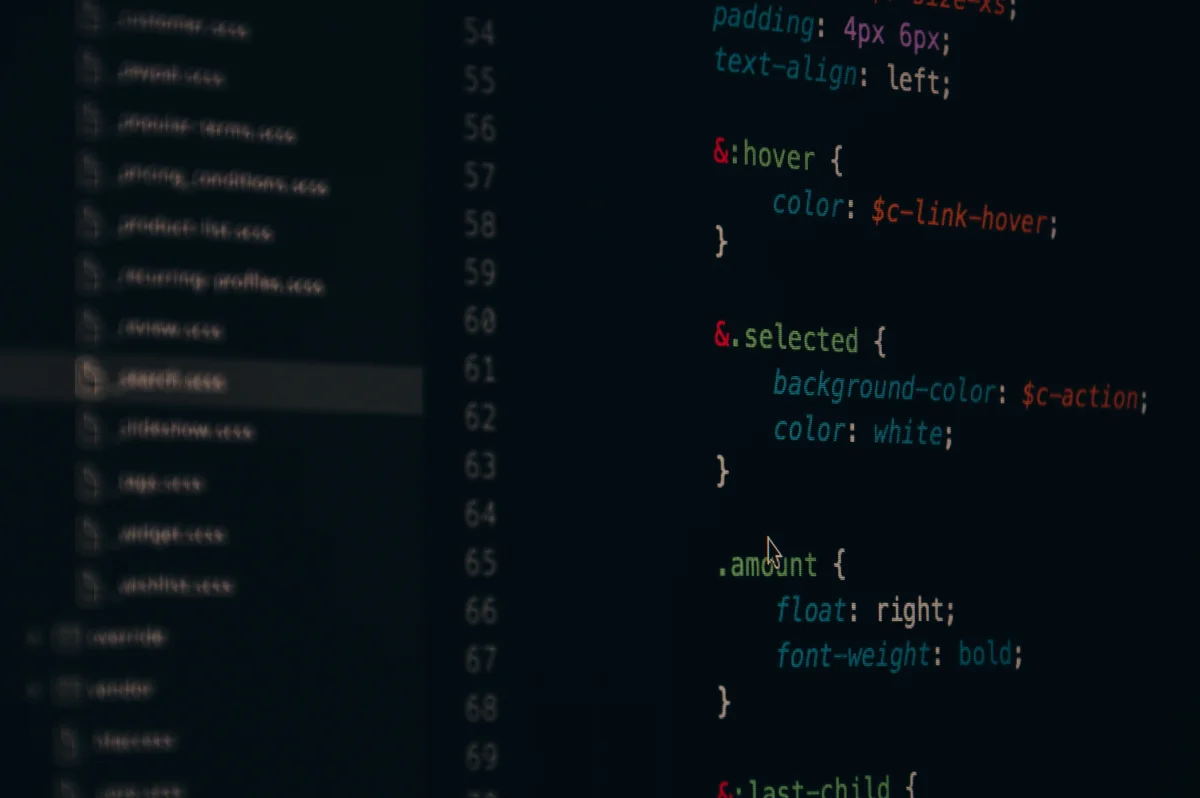
Code Splitting: Break your application into smaller chunks to load only what's necessary.
A senior developer
Chapter 02
Performance Optimization
Learn the strategies for achieving optimal performance in web applications.
Achieving Performance Excellence
Performance is key in modern web applications. Users expect fast and responsive experiences, and any delay can lead to frustration. Developers must focus on optimizing every aspect of their applications, from code execution to resource loading.
Optimization Techniques
- Code Splitting: Break your application into smaller chunks to load only what’s necessary.
- Lazy Loading: Load resources only when they are needed to reduce initial load time.
- Caching Strategies: Use browser and server-side caching to improve load times.
Narrative flow
Scroll through the argument
01
Identify Bottlenecks
Use tools like Chrome DevTools to find and address performance issues.
02
Optimize Resources
Minimize file sizes and use modern formats like WebP for images.
03
Monitor Continuously
Set up monitoring to catch performance regressions early.
Performance Techniques in Action



Chapter 03
Security Practices
Explore the proactive strategies necessary for safeguarding web applications.
Proactive Security Measures
Security is a critical concern in web development. With increasing cyber threats, developers must adopt proactive strategies to protect applications from vulnerabilities and attacks.
Key Security Strategies
- Input Validation: Ensure that all inputs are validated to prevent SQL injection and other attacks.
- Authentication: Implement strong authentication mechanisms, such as OAuth or JWT.
- Regular Audits: Conduct regular security audits to identify and fix vulnerabilities.
const sanitizeInput = (input) => {
return input.replace(/[<>]/g, '');
};

const authenticateUser = (token) => {
// Verify token using JWT
};Modern Web Guidance 1.0 is more than a set of practices; it’s a philosophy for building better web applications. By focusing on modularity, performance, and security, developers can create websites that are not only functional but also resilient and user-friendly.