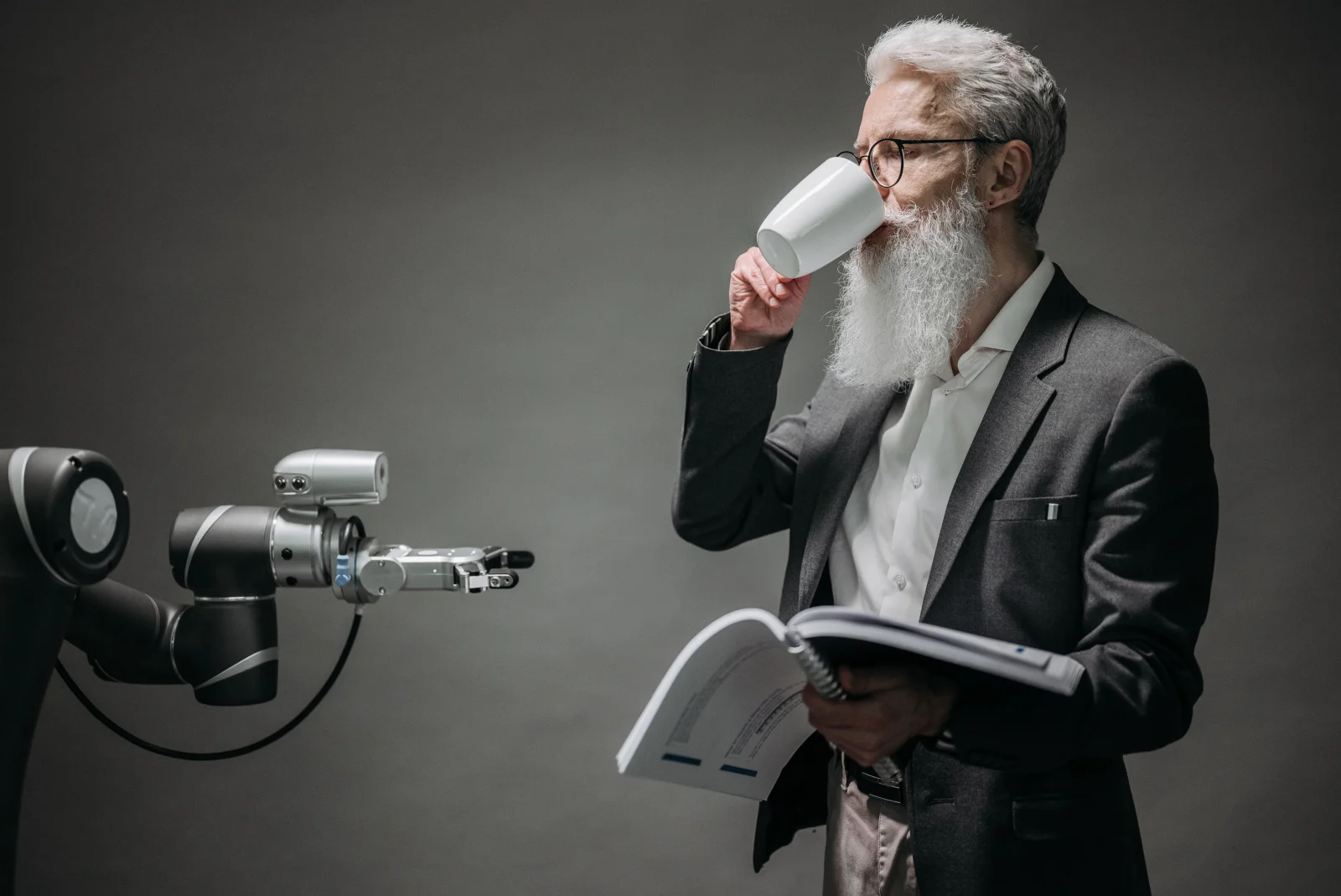
The coordination of multi-agent systems in sandbox environments is a sophisticated dance of autonomy and control. These environments serve as digital testbeds where agents can be monitored and honed to perfection without real-world consequences.
Chapter 01
The Sandbox Paradigm
Understanding the role of sandbox environments in multi-agent coordination.
The Role of Sandbox Environments
Sandbox environments provide a controlled setting where multi-agent systems can interact. Essentially, they are virtual arenas that simulate real-world conditions, allowing developers to fine-tune agent interactions.
- Simulation Accuracy: Sandbox environments mimic real-world scenarios with impressive precision, providing a safe space for testing.
- Controlled Variables: Variables can be adjusted to test different outcomes without external interference.
- Error Handling: Developers can identify and rectify issues before deploying agents in real-world applications.
This controlled setup is crucial for advancing multi-agent coordination. In such environments, agents learn to navigate, interact, and make decisions autonomously.
Challenges in Coordination
Coordinating multiple agents is no small feat. Each agent operates based on its own set of rules and objectives, which can lead to conflict if not properly managed. The sandbox allows for the observation of these interactions in a safe environment.
The coordination of multi-agent systems in sandbox environments is a sophisticated dance of autonomy and control.
A robotics engineer
Chapter 02
Coordination Strategies
Exploring strategies to enhance agent coordination within sandbox environments.
Coordination Techniques
Various strategies are employed to enhance coordination among agents. These can be broadly categorized into communication, negotiation, and learning.
Communication Protocols
Communication is key. Agents utilize protocols to share information, ensuring that decisions are made collaboratively.
- Direct Messaging: Agents communicate directly to exchange data.
- Broadcasting: Information is shared widely, reaching multiple agents simultaneously.
- Consensus Algorithms: These algorithms help agents agree on shared decisions, crucial for maintaining harmony.
Learning and Adaptation
Agents are equipped with learning mechanisms that enable them to adapt to new situations. Machine learning algorithms play a pivotal role in this process, allowing agents to learn from past interactions.
class Agent:
    def __init__(self, id, environment):
        self.id = id
        self.environment = environment
        self.knowledge = {}

    def learn(self, experience):
        # Update knowledge based on experience
        self.knowledge.update(experience)

This adaptability is what makes multi-agent systems so powerful. As they learn, they become more efficient in their roles, contributing to the overall success of the system.

<StickyNarrative steps={[
  { title: "Step 1", body: "Define the environment and the agents' roles clearly." },
  { title: "Step 2", body: "Implement robust communication protocols for seamless data exchange." },
  { title: "Step 3", body: "Integrate adaptive learning systems for continuous improvement." }
]} />

---

<MediaReel title="Real-World Applications" items={[
  { src: "/images/blog/multi-agent-coordination-in-a-sandbox-world/reel-1.webp", alt: "Robotics coordination", caption: "Robots coordinating tasks in a factory setting." },
  { src: "/images/blog/multi-agent-coordination-in-a-sandbox-world/reel-2.webp", alt: "AI simulation", caption: "AI agents navigating digital landscapes." },
  { src: "/images/blog/multi-agent-coordination-in-a-sandbox-world/reel-3.webp", alt: "Drone fleet", caption: "Drones operating in tandem for aerial surveillance." }
]} />

---

<PullQuote>Coordination in multi-agent systems is the linchpin of autonomous functionality.</PullQuote>

<Reveal>
As we venture further into the realm of **multi-agent systems**, the importance of coordination cannot be overstated. These systems represent the future of autonomous technology, with implications spanning from robotics to AI-driven simulations.
</Reveal>