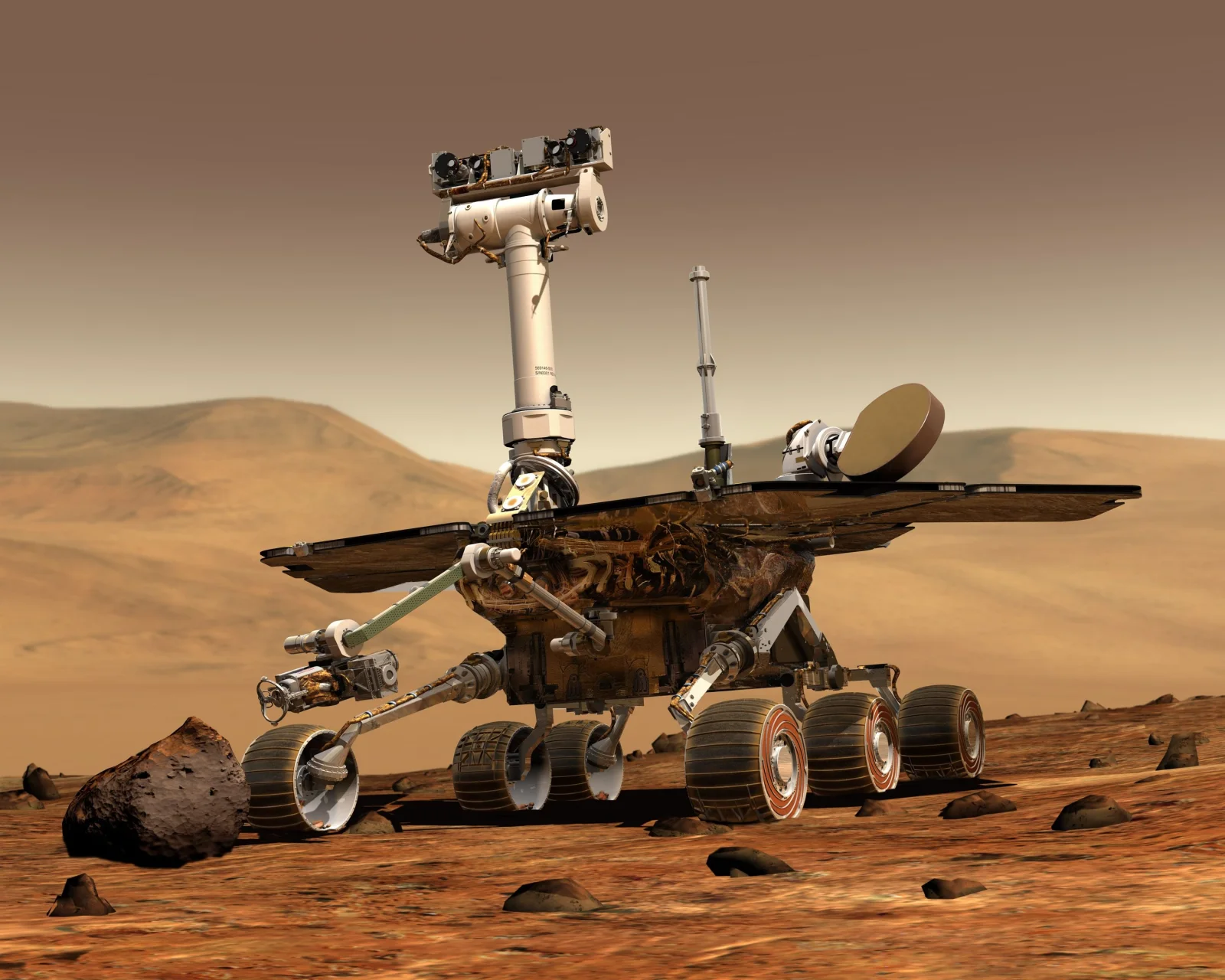
The race to Mars is not just a quest for discovery; it’s a strategic battle for technological supremacy. As NASA spearheads this mission, the stakes have never been higher. Mars holds the key to our future beyond Earth, a frontier where nations stake their claim, and technology rewrites the rules of competition.
Chapter 01
The Revived Space Race
Understanding the geopolitical and technological competition driving Mars exploration.
The Geopolitical Pulse
The modern space race is a geopolitical chessboard, with Mars as the ultimate prize. Nations are vying not just for prestige, but for technological dominance. The dynamics have shifted from the Cold War’s binary competition to a multipolar arena where collaboration and competition coexist.
- United States: Leading with NASA and private partnerships.
- China: Aggressively expanding its space capabilities.
- Russia: Maintaining a legacy presence with new ambitions.
- Europe: Collaborative missions through ESA.
- India: Emerging as a cost-efficient contender.
- Private Sector: Companies like SpaceX redefining the pace.
Technological Edge
Technology is the linchpin of this new space race. From propulsion systems to AI-driven navigation, advancements are shaping strategies. The ability to innovate faster than rivals dictates success, making technology both a tool and a weapon in this cosmic contest.
Historical Echoes
The echoes of the first space race resonate today. While the players and stakes have evolved, the underlying drive remains: to push boundaries and assert dominance. This context frames the Mars mission not just as a scientific endeavor, but as a continuation of humanity’s relentless quest for the stars.

Mars holds the key to our future beyond Earth, a frontier where nations stake their claim, and technology rewrites the rules of competition.
Chapter 02
Strategic Pathways to Mars
Exploring the strategic frameworks guiding NASA's mission and its implications.
Narrative flow
Scroll through the argument
01
Step 1: Technological Innovation
NASA's focus on cutting-edge technology ensures resilience and efficiency in the harsh Martian environment.
02
Step 2: International Collaboration
Partnerships with other space agencies and the private sector enhance capabilities and share resources.
03
Step 3: Sustainable Exploration
Developing sustainable methods for life support and resource extraction is crucial for long-term presence on Mars.
Technological Leap
NASA’s Mars mission is a testament to human ingenuity. The emphasis on sustainable technology is not just about reaching Mars but thriving there. From nuclear propulsion to in-situ resource utilization, every innovation is a step towards a permanent foothold on the Red Planet.
Collaborative Efforts
The mission’s success hinges on global partnerships. Sharing expertise and resources not only accelerates the mission but fosters a sense of united purpose. This collaboration is a blueprint for future explorations, demonstrating that space is a shared domain.
Challenges and Misconceptions
The journey to Mars is fraught with challenges, from radiation exposure to psychological effects on astronauts. These hurdles are often misunderstood, but addressing them is essential for mission success. Recognizing these issues allows for proactive solutions, ensuring astronauts’ safety and mission integrity.
Mars Mission Visuals
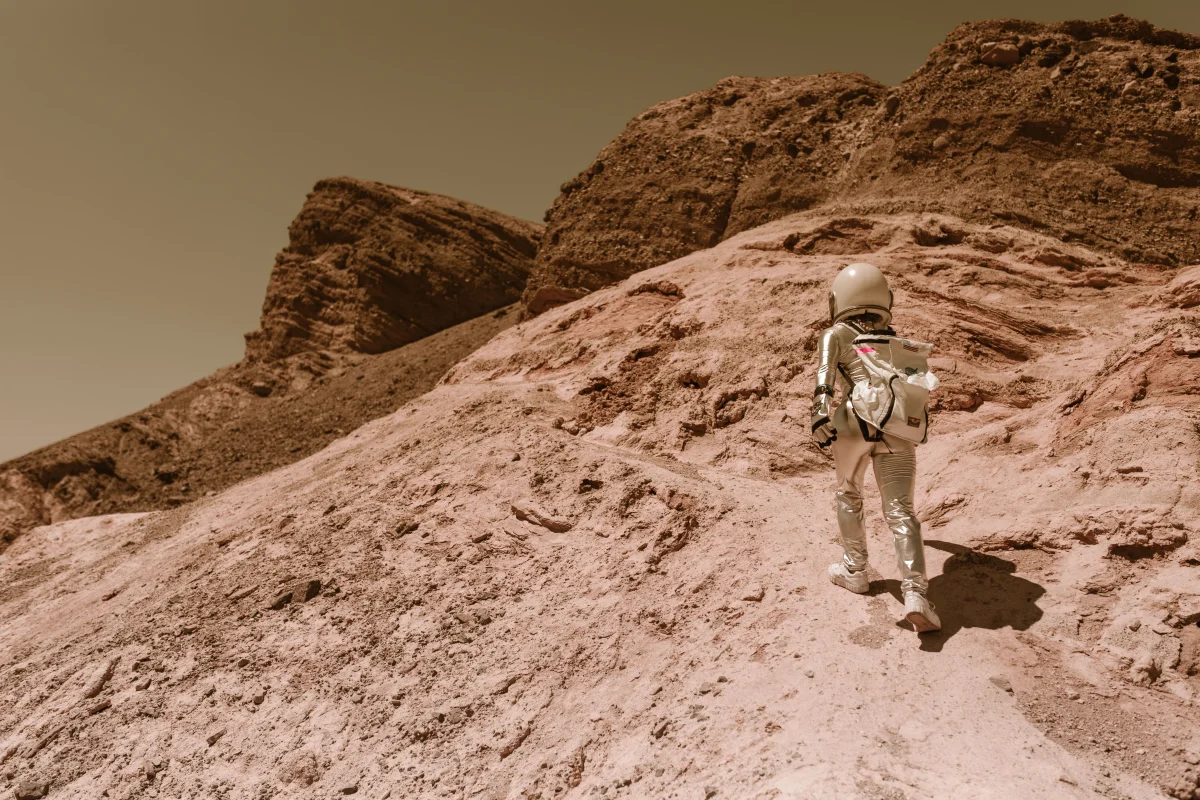

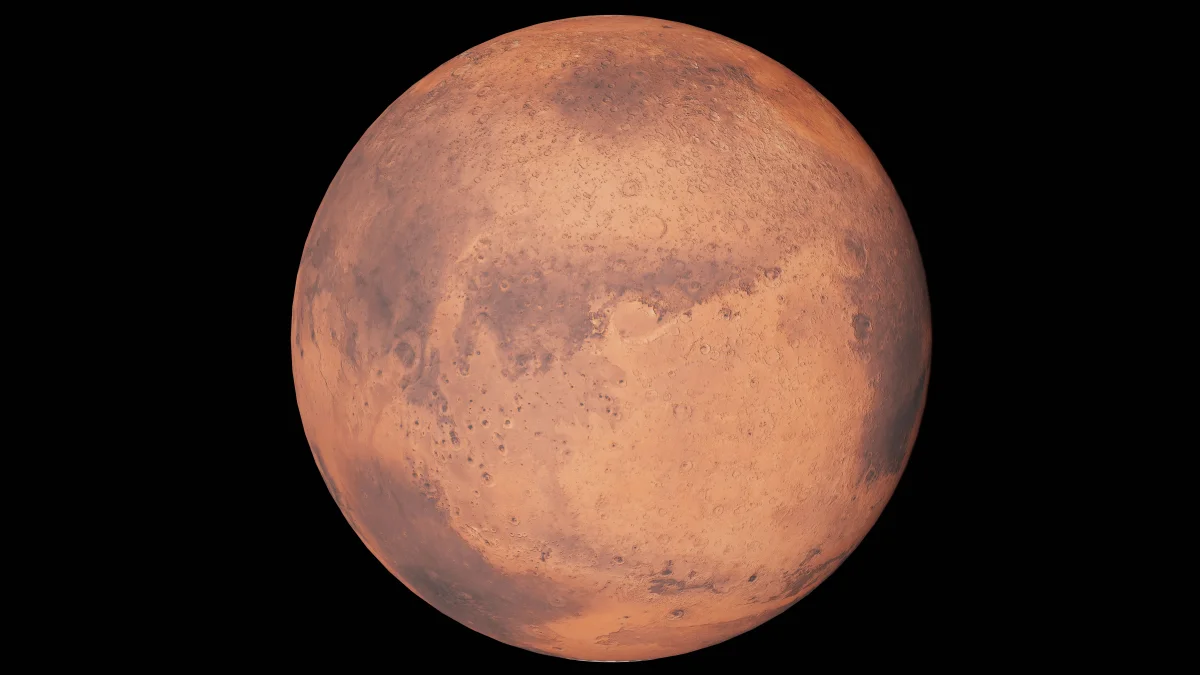
NASA’s Mars mission is more than a scientific endeavor; it’s a defining moment in the annals of exploration. It challenges our perceptions, pushes our technological limits, and redefines what it means to be an explorer in the 21st century. The mission embodies humanity’s indomitable spirit and unyielding quest to conquer the unknown.
Chapter 03
The Future of Space Exploration
Projecting the long-term impacts of Mars exploration and beyond.
New Horizons
Mars is just the beginning. The strategies and technologies developed will pave the way for further exploration across the solar system. As we look beyond Mars, the potential for discovery and innovation is boundless.
- Lunar Bases: Using the Moon as a launchpad for deeper space missions.
- Asteroid Mining: Unlocking resources for economic and technological benefits.
- Interstellar Travel: Theoretical advancements in propulsion could one day take us beyond our solar system.
- Space Tourism: Commercial ventures making space accessible to the public.
- Planetary Defense: Developing capabilities to protect Earth from celestial threats.
- AI Integration: Leveraging artificial intelligence for autonomous exploration.
Practical Steps Forward
The path to Mars sets a precedent for future missions. By learning from challenges and successes, we can refine our approaches to space exploration. This iterative process ensures that missions are efficient, safe, and sustainable.
Balancing Ambition and Reality
While the vision is grand, it’s crucial to balance ambition with reality. The challenges are substantial, but with meticulous planning and strategic partnerships, the dream of conquering new worlds is within reach.
As we stand on the cusp of interplanetary exploration, NASA’s Mars mission symbolizes more than a journey to a distant planet. It represents the enduring human spirit to explore, innovate, and overcome. The lessons we learn on Mars will guide us as we step even further into the cosmic ocean. The future of space exploration is bright, and it begins now.