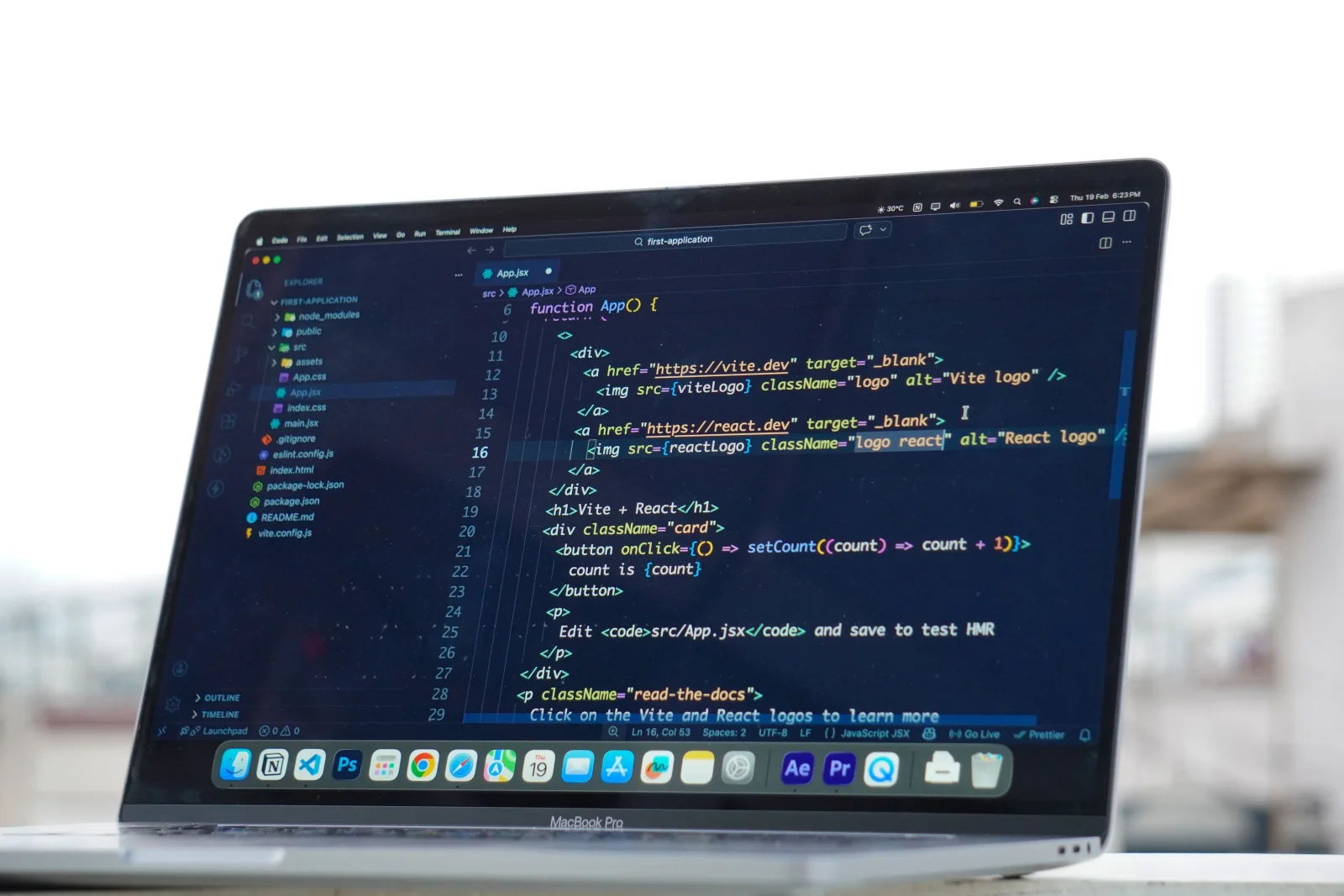
In today’s connected world, ensuring the uptime of your Node.js applications is crucial. Downtime can lead to loss of revenue and a damaged reputation. This article delves into proven strategies for monitoring and maintaining uptime, offering developers practical tools to keep their applications running smoothly.
Chapter 01
Understanding Node.js Uptime
Defining uptime and why it matters to developers and businesses alike.
What is Uptime and Why It Matters
Uptime refers to the time your application is operational and accessible. For Node.js applications, consistent uptime is essential to ensure uninterrupted service for users. A robust uptime monitoring strategy helps developers anticipate and resolve issues before they affect end-users.
The Cost of Downtime
Downtime can result in financial losses and impact user trust. By implementing effective monitoring strategies, developers can minimize these risks.
In today's connected world, ensuring the uptime of your Node.js applications is crucial.
A backend developer
Key Uptime Monitoring Strategies
To maintain optimal uptime, developers can employ several strategies, including health checks, logging, and automated alert systems. Each of these components plays a critical role in detecting and resolving potential issues.
Narrative flow
Scroll through the argument
01
Health Checks
Implement regular health checks to verify the availability and performance of your application components.
02
Logging
Use comprehensive logging to track application behavior and identify anomalies.
03
Automated Alerts
Set up automated alerts to notify your team of any downtime, ensuring a swift response.
Chapter 02
Health Checks: The First Line of Defense
Implementing health checks to ensure your application components are functioning correctly.
Implementing Health Checks
Health checks are automated tests that verify the availability and performance of application components. They are crucial for identifying issues early and maintaining uptime.
Creating a Basic Health Check
In Node.js, a simple health check can be implemented using an HTTP endpoint that returns the status of the application.
const express = require('express');
const app = express();

app.get('/health', (req, res) => {
res.status(200).json({ status: 'ok' });
});

app.listen(3000, () => {
console.log('Server is running on port 3000');
});
This endpoint can be monitored to ensure the application is running as expected.
Advanced Monitoring Techniques
Beyond basic health checks, developers can leverage advanced monitoring tools to gain deeper insights into application performance.
Advanced Monitoring Tools


Conclusion: Ensuring Optimal Performance
By implementing these strategies, developers can ensure their Node.js applications remain available and performant, ultimately delivering a reliable user experience.
Uptime monitoring is not just a technical necessity; it’s a commitment to quality and reliability. By employing these strategies, developers can not only maintain but also enhance the performance and trustworthiness of their Node.js applications.