
React Server Components have become a cornerstone of modern web development, offering unprecedented efficiency in rendering dynamic web applications. By 2026, they have transformed production environments, delivering faster and more efficient user experiences. The journey of these components from experimental technology to mainstream adoption is a story of innovation and adaptation.
Chapter 01
The Evolution of Server Components
Exploring the trajectory of React Server Components and their impact on production environments.
The Rise of React Server Components
React Server Components (RSCs) emerged as a solution to the growing complexity of client-side JavaScript. By executing rendering logic on the server, RSCs minimize the amount of JavaScript sent to the client, leading to faster load times and improved performance. This paradigm shift has been pivotal in the development of resilient, scalable applications.
- Improved Performance: Offloading rendering to the server reduces the client-side processing burden.
- Seamless Integration: RSCs integrate with existing React infrastructure, making adoption smoother.
- Enhanced Security: With server-side execution, sensitive logic stays off the client.
- Scalability: Server-side rendering facilitates better resource management across large-scale applications.
- Developer Experience: Simplifies state management and reduces boilerplate code.
- SEO Benefits: Pre-rendered content improves search engine visibility.
The Mechanics of RSCs
At the core of RSCs is their ability to fetch data and render components on the server. This reduces the need for client-side data fetching, streamlining the rendering process. By 2026, these components have become a vital part of performance optimization strategies for large-scale applications.
Historical Context and Adoption
The adoption of RSCs was initially met with skepticism. Concerns about server load and complexity were prevalent. However, as frameworks evolved, best practices emerged, and tooling improved, RSCs gained traction. Today, they are a staple in the toolkit of forward-thinking developers.

React Server Components have become a cornerstone of modern web development, offering unprecedented efficiency in rendering dynamic web applications.
Chapter 02
Implementing RSCs in Production
A practical guide to effectively deploying React Server Components in real-world scenarios.
Narrative flow
Scroll through the argument
01
Component Isolation
Isolating server-side logic in specific components prevents unnecessary re-renders and optimizes resource usage.
02
Efficient Data Fetching
Implementing strategic data fetching on the server reduces client-side load and latency.
03
Incremental Adoption
Gradually integrating RSCs into existing applications allows teams to manage complexity and leverage existing infrastructure.
Component Isolation Strategies
To harness the full potential of RSCs, strategic isolation of components is critical. By ensuring that only necessary components are server-rendered, developers can maximize efficiency without overwhelming server resources.
Efficient Data Fetching Techniques
Server-side data fetching should be approached with precision. Utilizing tools like React Query or SWR can streamline the process, ensuring that data is fresh and efficiently delivered to the client.
import { fetchData } from './api';

export default function MyComponent() {
const data = fetchData();
return <div>{data}</div>;
}
Common Pitfalls and Misconceptions
While RSCs offer numerous advantages, they are not without challenges. Over-reliance on server-side rendering can lead to server bottlenecks. Balancing client and server load is essential for maintaining performance.
React Server Components in Action


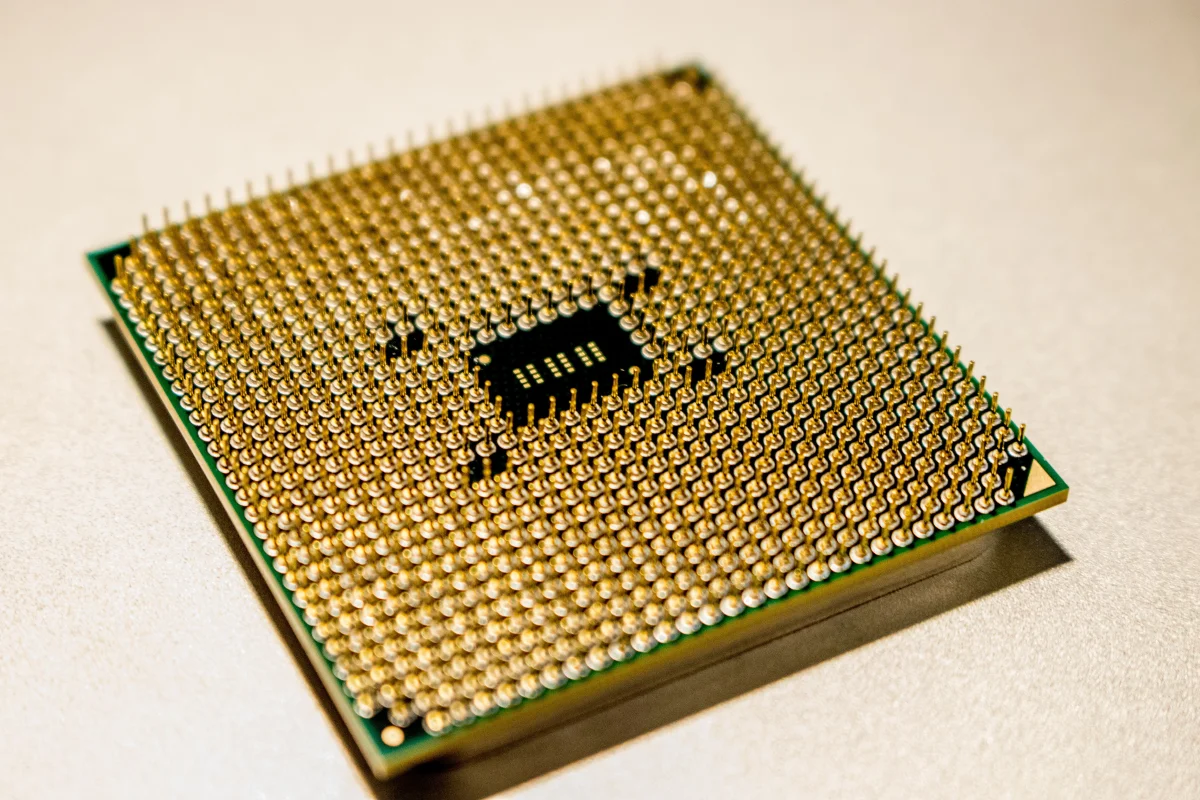
The future of web development hinges on embracing technologies like React Server Components. As we look to the future, the lessons learned from 2026’s production environments will guide us towards building faster, more efficient, and more scalable applications.
Chapter 03
Future-Proofing with RSCs
Anticipating the next wave of innovations in server components.
Long-Term Impact and Innovations
As we continue to innovate, RSCs will play a pivotal role in shaping the future of web development. Their ability to seamlessly integrate with emerging technologies will keep them at the forefront of performance optimization strategies.
- Integration with AI: Leveraging AI to optimize server-side rendering paths.
- Enhanced Tooling: Development of more sophisticated tools for debugging and profiling RSCs.
- Broader Framework Support: Expanding RSCs beyond React to other popular frameworks.
- Community-Driven Improvements: Open-source contributions driving innovation and accessibility.
- Ecosystem Expansion: Growth of plugins and libraries enhancing RSC functionality.
- Security Enhancements: Advanced security protocols for server-side execution.
Practical Implementation for Tomorrow’s Developers
Developers must stay abreast of RSC advancements to fully harness their potential. Continuous learning and adaptation are key to leveraging these components effectively.
Balancing Trade-Offs
While the benefits of RSCs are numerous, it is crucial to weigh the trade-offs. Understanding when and how to use them is vital for maintaining optimal performance without overloading server capacities.
As we look towards the future, React Server Components present a compelling opportunity to redefine how we build web applications. Their impact on performance, scalability, and developer experience cannot be overstated. Embrace these lessons from 2026 and lead the way in crafting the next generation of web experiences.