The Physical Intelligence API is redefining the landscape of robotics development. By integrating machine learning models directly into robotic systems, it offers unprecedented control and adaptability. This API enables real-time data processing, enhancing the efficiency and responsiveness of robotic operations. As we stand on the brink of a new era in robotics, understanding the capabilities and applications of this API is crucial for developers looking to push the boundaries of automation.
Chapter 01
The Power of Integration
Explore how the Physical Intelligence API seamlessly integrates with existing robotic systems, enhancing their capabilities.
Enhancing Robotic Systems with Machine Learning
Integrating the Physical Intelligence API with existing robotic systems introduces a new level of precision and adaptability. Machine learning models can now be seamlessly embedded, allowing robots to learn from their environments and adapt to new scenarios without manual reprogramming. This integration is particularly beneficial in dynamic environments where robots must adjust their actions based on real-time data.
One of the API’s standout features is its ability to handle complex tasks by breaking them into simpler, manageable components. Developers can leverage this modular approach to tailor robotic behavior to specific applications, enhancing overall efficiency and performance.
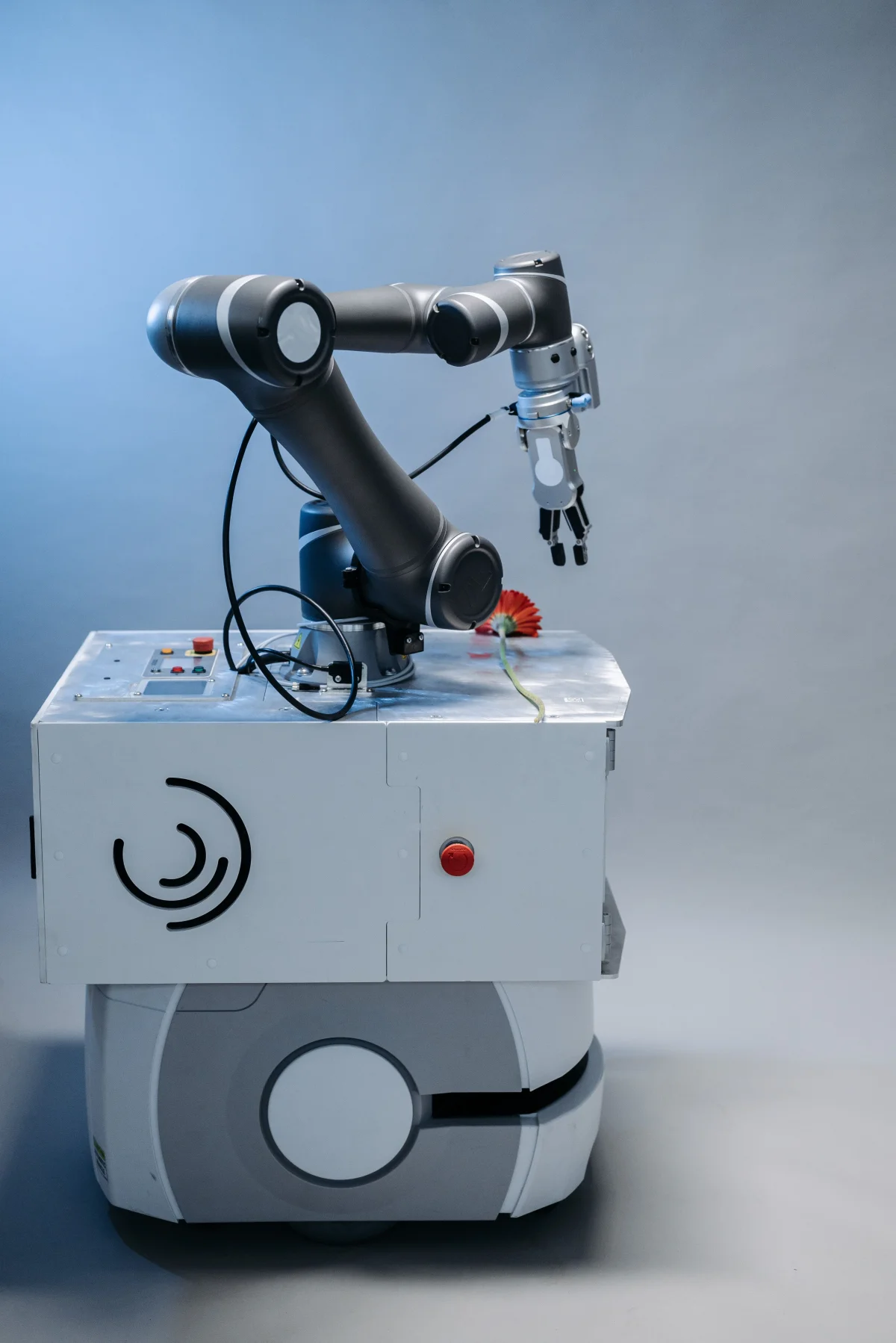
The Physical Intelligence API is redefining the landscape of robotics development.
A Robotics Engineer
Real-time Data Processing
A significant advantage of the Physical Intelligence API is its capability to process data in real time. This feature is crucial for applications requiring immediate feedback and adaptation, such as autonomous vehicles and industrial automation. By processing sensor data as it is generated, robots can make informed decisions on-the-fly, leading to more accurate and efficient operations.
Narrative flow
Scroll through the argument
01
Data Acquisition
The API collects data from various sensors attached to the robotic system, providing a comprehensive view of the environment.
02
Data Analysis
Machine learning algorithms analyze the data in real-time, identifying patterns and anomalies that require attention.
03
Action Execution
Based on the analysis, the API directs the robot to take appropriate actions, ensuring optimal performance.
The Developer’s Toolkit
The Physical Intelligence API is designed to be developer-friendly, supporting multiple programming languages with a primary focus on Python. This choice reflects the language’s popularity in the machine learning community and its ease of use for rapid prototyping and development.
import physical_intelligence_api as pia

robot = pia.Robot()
robot.learn_from_environment()
robot.execute_real_time_actions()
Chapter 02
Pushing Boundaries
Discover the potential of the Physical Intelligence API to transform industries and create new opportunities.
Transforming Industries
The potential applications of the Physical Intelligence API are vast, spanning numerous industries. In healthcare, robotic assistants can perform complex surgeries with precision, adapting to the surgeon’s techniques in real-time. In manufacturing, automated systems can optimize production lines, reducing waste and increasing output.
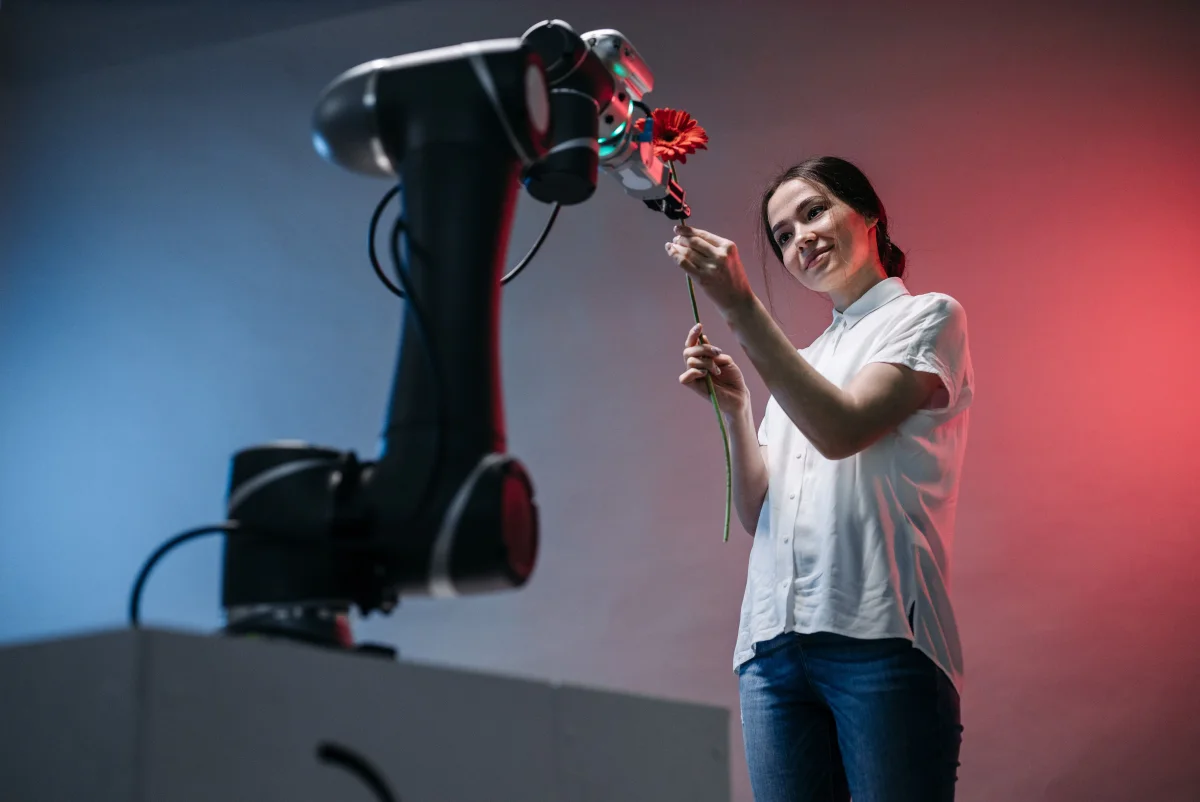
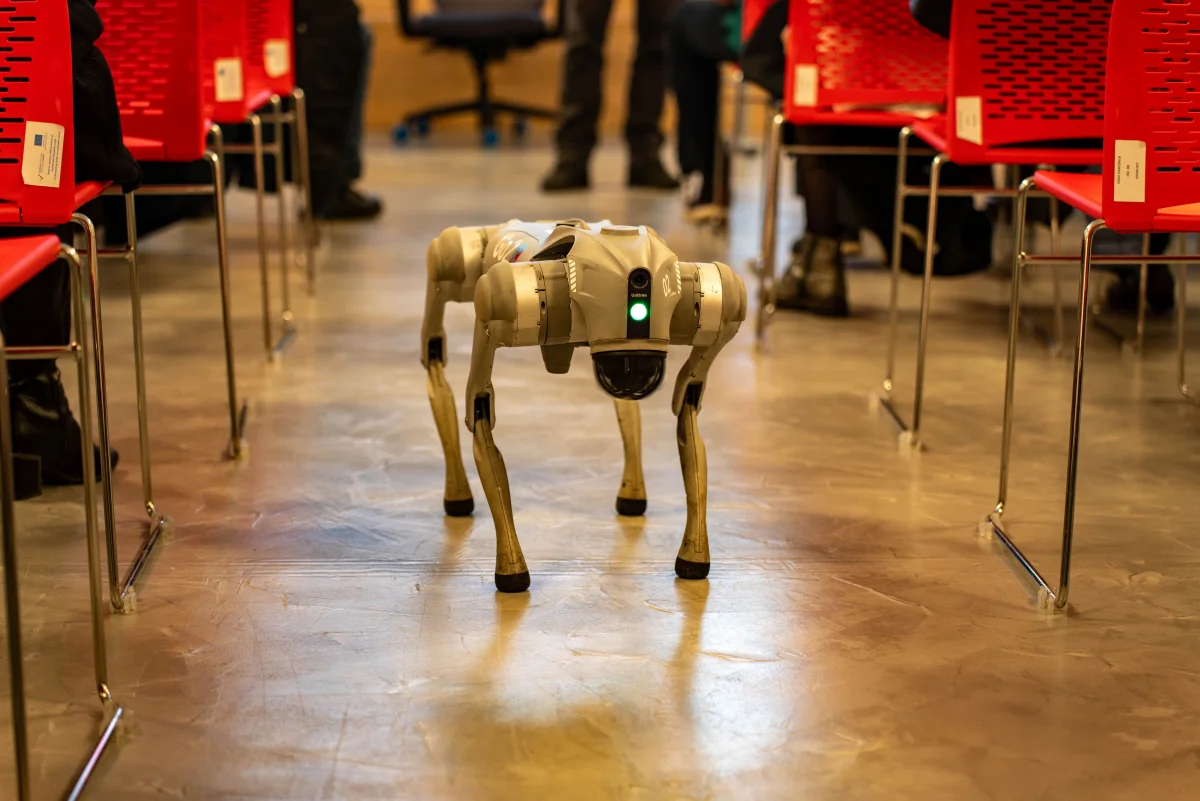
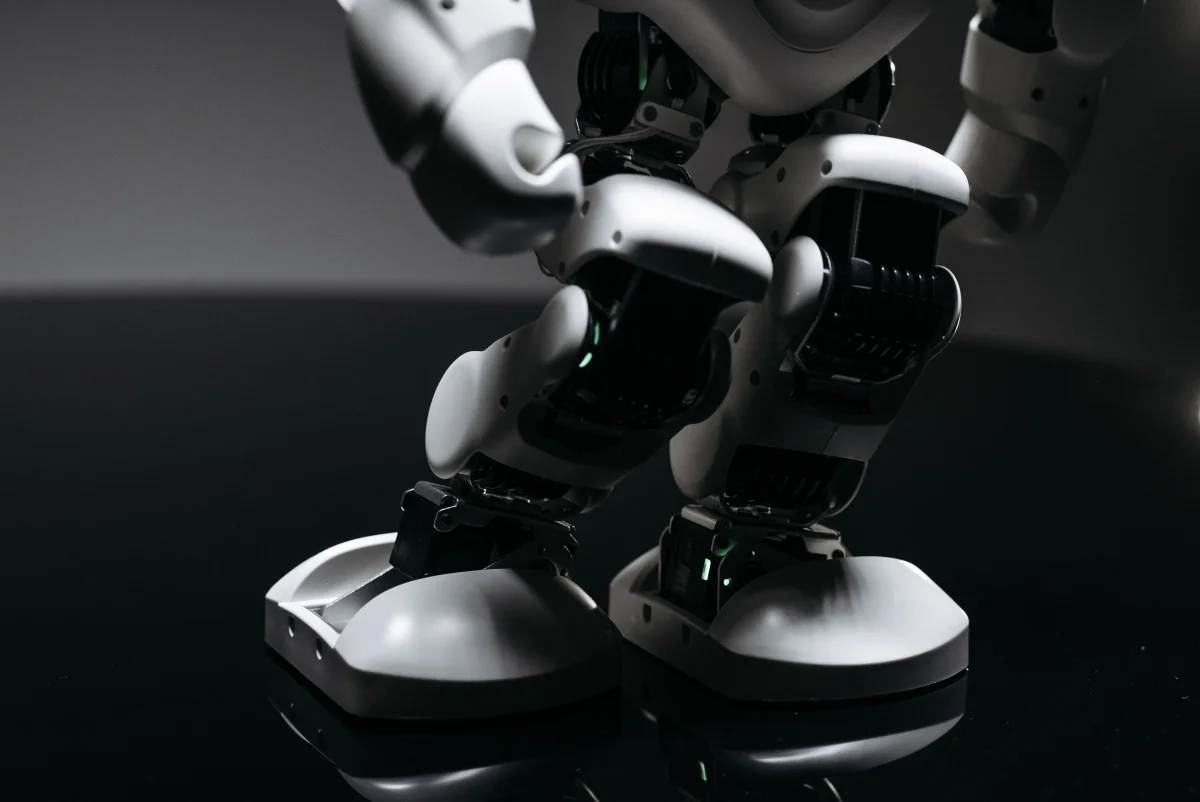
API Applications in Action
Challenges and Considerations
While the Physical Intelligence API offers significant benefits, developers must consider the challenges of implementation. Ensuring the security of data processed by the API is paramount, as is maintaining the integrity of machine learning models against adversarial attacks. Addressing these issues requires a robust understanding of cybersecurity and the ability to anticipate potential vulnerabilities.
As we advance further into the realm of intelligent automation, the Physical Intelligence API stands as a pivotal tool for developers. It bridges the gap between machine learning and robotics, offering new possibilities for innovation across various sectors. By harnessing the power of real-time data processing and seamless integration, developers can create robotic systems that not only perform tasks but also learn and adapt, paving the way for a future that was once only imagined.