Bringing Apple II software to life on a Commodore 64 feels like connecting two different worlds; it’s a technical feat that demands both creativity and a comprehensive understanding of these systems. As these classic machines become emblems of nostalgia, the pursuit to combine their functionalities captivates enthusiasts.
Chapter 01
The Hardware Divide
Understanding the fundamental differences between these two iconic systems reveals why this task is so intricate.
A Look at Fundamental Differences
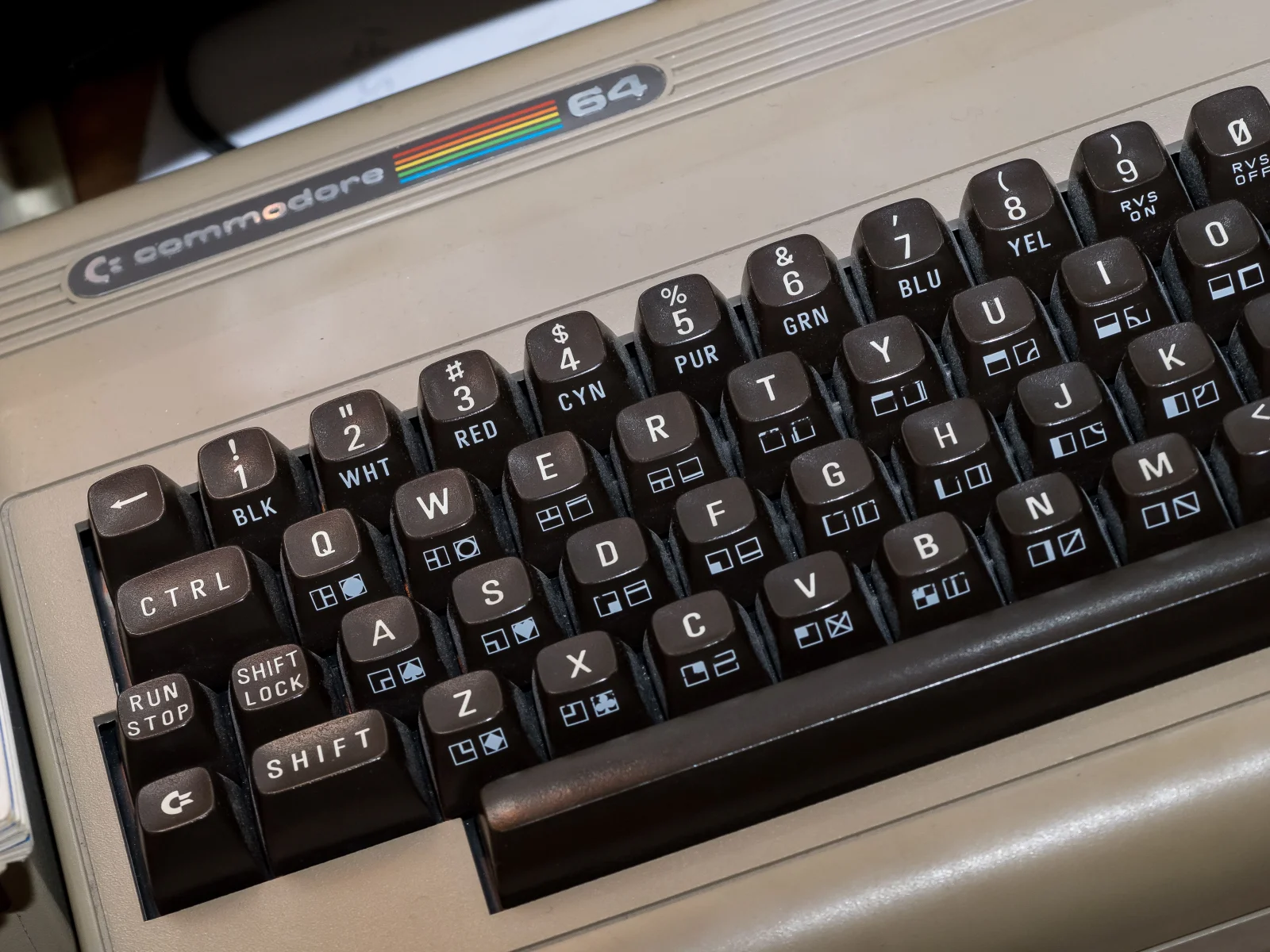
The Apple II and Commodore 64 emerged with distinct design philosophies and hardware. The Apple II’s open architecture encouraged expansion and user modification, whereas the Commodore 64 was celebrated for its superior graphics and sound. These technical disparities reflect the divergent technological paths these early computers traveled.
- Processor Architecture: The Apple II used the 6502 CPU, setting it apart from the Commodore 64’s 6510, with each CPU tailored to its own set of tasks.
- Memory Management: While the Apple II allowed for expansion, the Commodore 64 was built around a fixed memory structure.
- Graphics and Sound: Superior to the Apple II, the Commodore 64’s VIC-II and SID chips provided advanced multimedia features.
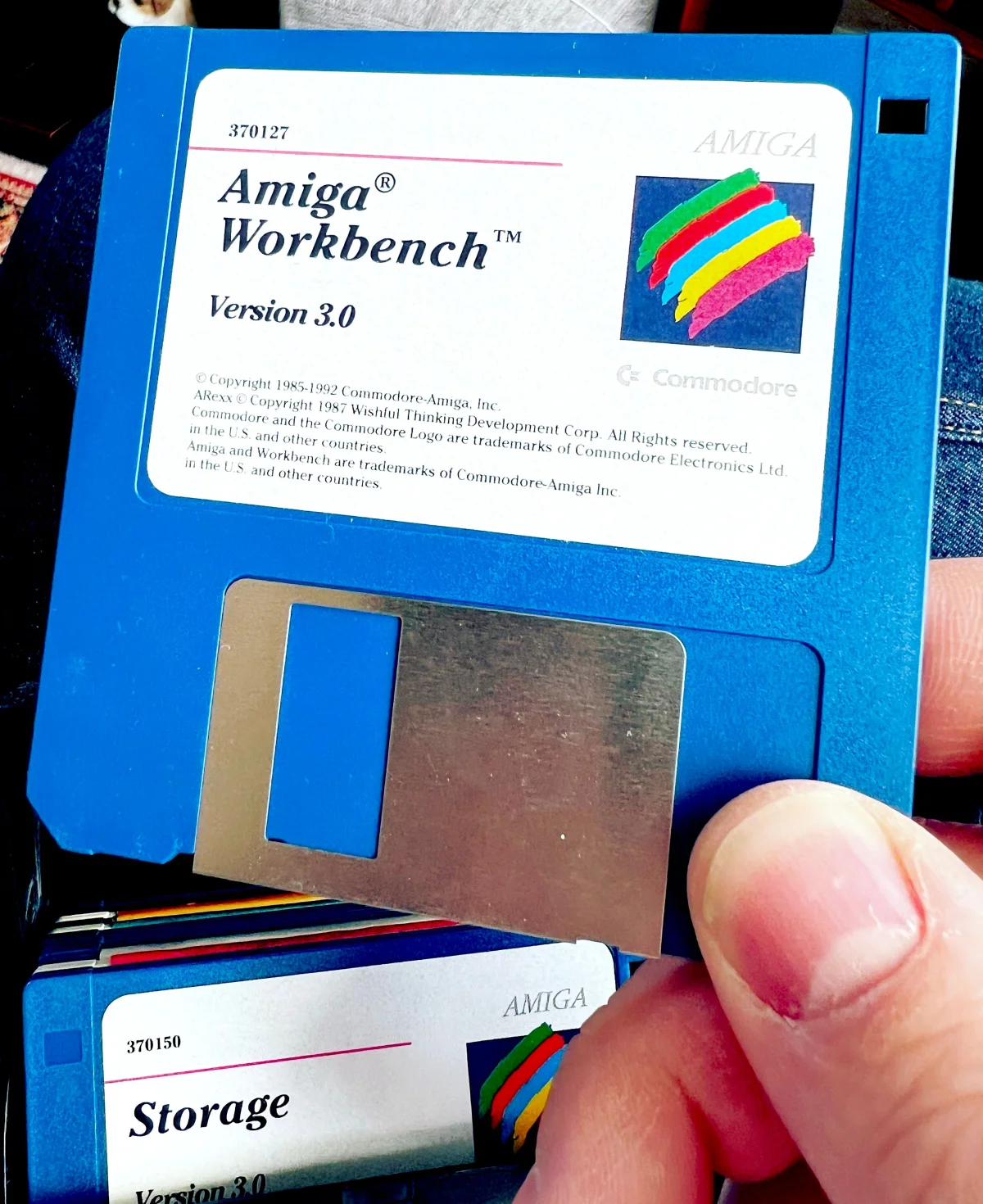
The journey to unite these machines is a testament to retro computing ingenuity.
Emulation as a Connection
Emulation allows software to run across different hardware setups, bridging the gap between incompatible systems. Yet, emulating the Apple II on the Commodore 64 comes with its own set of hurdles. This complex task involves replicating the functionality of the Apple II hardware and ensuring efficient software performance, a challenge given the C64’s limited capabilities.
Narrative flow
Scroll through the argument
01
Understanding Constraints
The initial step involves recognizing hardware limitations, as emulation pulls more resources than originally available.
02
Developing Software Solutions
Stable, efficient emulators emerge from deep programming expertise and refined optimization strategies.
03
Testing and Iteration
Consistent testing on authentic hardware is essential, refining both performance and compatibility.
Chapter 02
The Role of Community
Community-driven efforts have been instrumental in making such emulations possible.
Innovation Fostered by Collaboration
The retro computing community plays a vital role in many emulation projects. Their passion not only keeps the legacy of these machines alive but also extends the boundaries of what’s technologically feasible. Enthusiasts around the globe, by sharing insight and resources, help create emulators that are becoming increasingly accurate and effective.
Community Contributions


Running Apple II software on a Commodore 64 transcends a mere technical challenge, embodying a profound appreciation for computing history and the enduring power of innovation. As technology advances, these pioneering efforts teach us about the unlimited potential that arises when creativity and technical skill intersect.