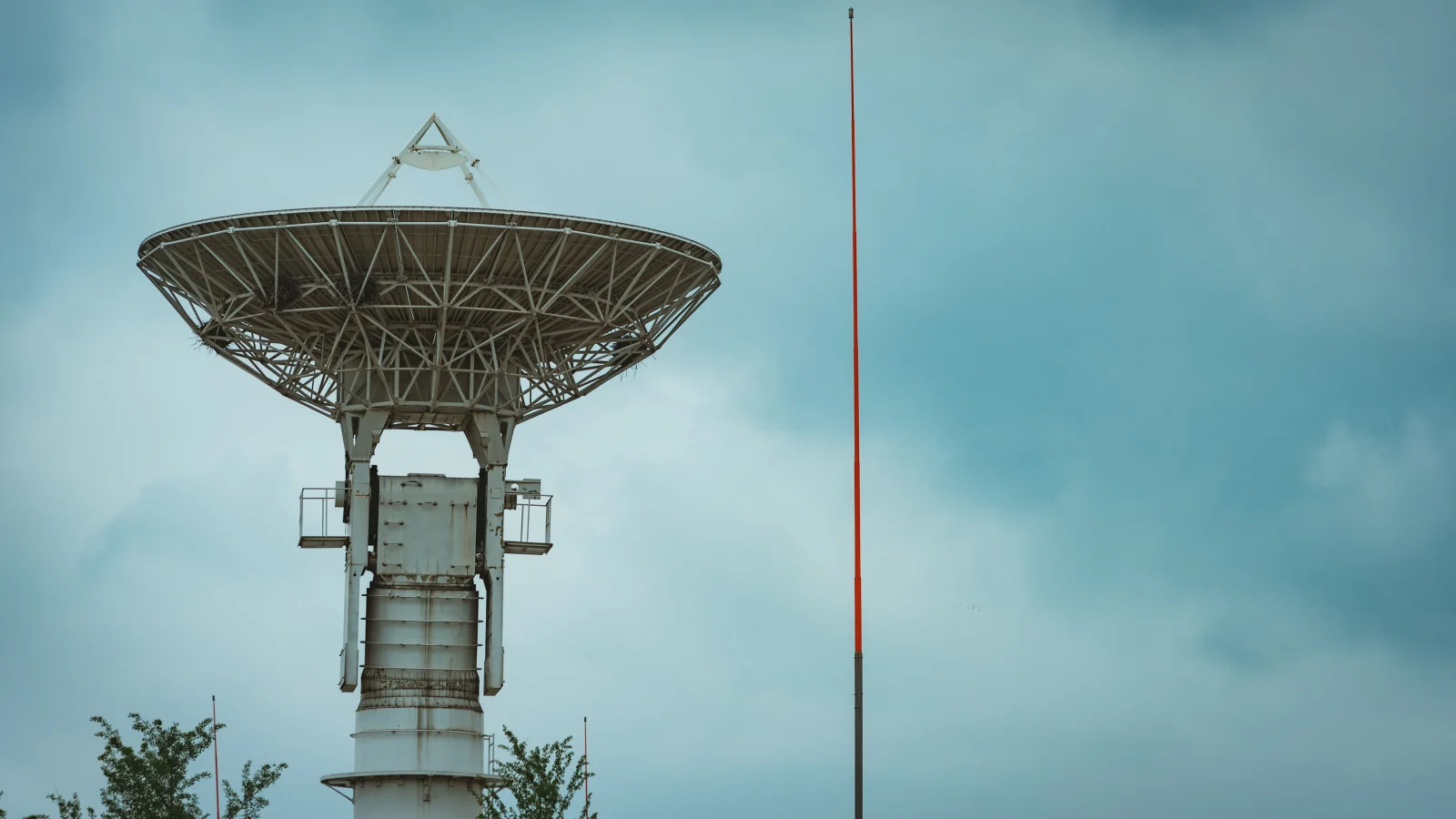
Amid the marvel of satellites orbiting high above, a critical vulnerability remains overlooked: the ground systems that control these celestial machines. These terrestrial networks, laden with data and commands, present a cybersecurity risk that rivals space-bound threats. As we delve into the intricacies of satellite security, it’s clear that the real battle is fought at ground level.
Chapter 01
The Ground Station Weak Link
Understanding the vulnerabilities that ground systems introduce to satellite security.
The Overlooked Gateways
Satellite ground stations are the unsung heroes of space communication, but their role as a cybersecurity bastion is often underestimated. While satellites themselves are designed with robust encryption and security measures, the ground stations that manage them are frequently left vulnerable. These facilities handle sensitive data, manage uplinks and downlinks, and are integral to satellite operations.
The Hacker’s Playground
Ground stations, unlike their space counterparts, are more accessible to malicious actors. Cyber threats can exploit outdated software, unsecured networks, and human error to gain access. Once breached, attackers can intercept data, manipulate satellite operations, or even render satellites inoperative.

Amid the marvel of satellites orbiting high above, a critical vulnerability remains overlooked: the ground systems that control these celestial machines.
A cybersecurity analyst
Consequences of Cyber Breaches
The implications of a cyber attack on satellite ground systems extend far beyond data theft. Disruptions can affect everything from weather forecasting to national security, highlighting the critical need for robust security measures.
A Ripple Effect
When ground systems are compromised, the effects can cascade. Data breaches can lead to the exposure of sensitive information, while system takeovers can disrupt services that rely on satellite data. The consequences are not just technical but also geopolitical, as nations depend on satellites for communication and intelligence.
Chapter 02
Securing the Ground
Strategies and solutions to fortify ground systems against cyber threats.
Fortification Strategies
Securing satellite ground systems requires a multi-faceted approach, integrating technology, policy, and human factors. Implementing regular software updates, conducting thorough security audits, and training personnel are crucial steps.
Narrative flow
Scroll through the argument
01
Regular Updates
Ensure all software and systems are up-to-date with the latest security patches to prevent vulnerabilities.
02
Comprehensive Audits
Conduct regular security audits to identify and mitigate potential weaknesses in ground system infrastructure.
03
Personnel Training
Train staff in cybersecurity best practices to reduce the risk of human error and insider threats.
The Path Forward
As the reliance on satellite technology grows, so does the importance of securing its foundational elements. Ground systems must be fortified to ensure satellite networks remain resilient against evolving cyber threats.
Visualizing Vulnerabilities



While it’s easy to be dazzled by the technological marvels orbiting above, the true challenge lies in securing the ground beneath. As we shore up these terrestrial gateways, we ensure a safer, more secure satellite future for all.