
Strategic Shift
Tesco's Virtualization Transition
Why Tesco is embracing Proxmox over VMware for its store infrastructure.
In a bold move, Tesco is transitioning from VMware to Proxmox for virtualization in its store infrastructure. This shift signals more than just a change in software; it represents a strategic pivot towards open-source solutions that promise flexibility and cost savings. Virtualization plays a critical role in modern retail environments, where every store acts as a hub in a vast network of operations. Understanding the implications of this transition is key to grasping the future of retail infrastructure.
Chapter 01
The Case for Proxmox
Exploring the decision-making behind Tesco's choice to transition to Proxmox.
Why Choose Proxmox?
For retailers like Tesco, the choice of virtualization platform is a critical decision. Proxmox offers several advantages over VMware that align perfectly with the needs of a large-scale retailer. The open-source nature of Proxmox means Tesco can tailor the tool to their specific requirements without being locked into expensive licensing agreements typical of proprietary solutions like VMware.
- Cost Efficiency: By eliminating licensing fees, Tesco can allocate resources more effectively.
- Flexibility: Open-source allows customization, an essential feature for adapting to the dynamic retail environment.
- Scalability: Proxmox supports seamless scaling, crucial when managing numerous store locations.

In a bold move, Tesco is transitioning from VMware to Proxmox for virtualization in its store infrastructure.
An infrastructure specialist
The Open-Source Advantage
The open-source model of Proxmox provides Tesco with an opportunity to innovate. This transition is not just about cost but about the ability to adapt and integrate new solutions rapidly. Proxmox’s community-driven development ensures that the platform remains cutting-edge, incorporating the latest advancements in virtualization technology.
Chapter 02
Implementation Challenges
Identifying and overcoming the hurdles in transitioning from VMware to Proxmox.
Navigating the Transition
Switching from a proprietary to an open-source platform like Proxmox is not without its challenges. Tesco must address potential hurdles in retraining IT staff, migrating existing virtual machines, and ensuring compatibility with current systems.
Narrative flow
Scroll through the argument
01
Assessment
Evaluating existing infrastructure and determining compatibility with Proxmox.
02
Migration
Transitioning workloads and ensuring seamless integration with Proxmox.
03
Optimization
Fine-tuning system performance and training staff on new processes.
Overcoming Resistance
Change can often be met with resistance, especially when it involves shifting away from established systems. However, the long-term benefits of Proxmox, including reduced costs and increased agility, make a compelling case for adoption. Tesco’s leadership is committed to ensuring that all stakeholders understand the strategic advantages that this transition brings.
Visualizing the Transition
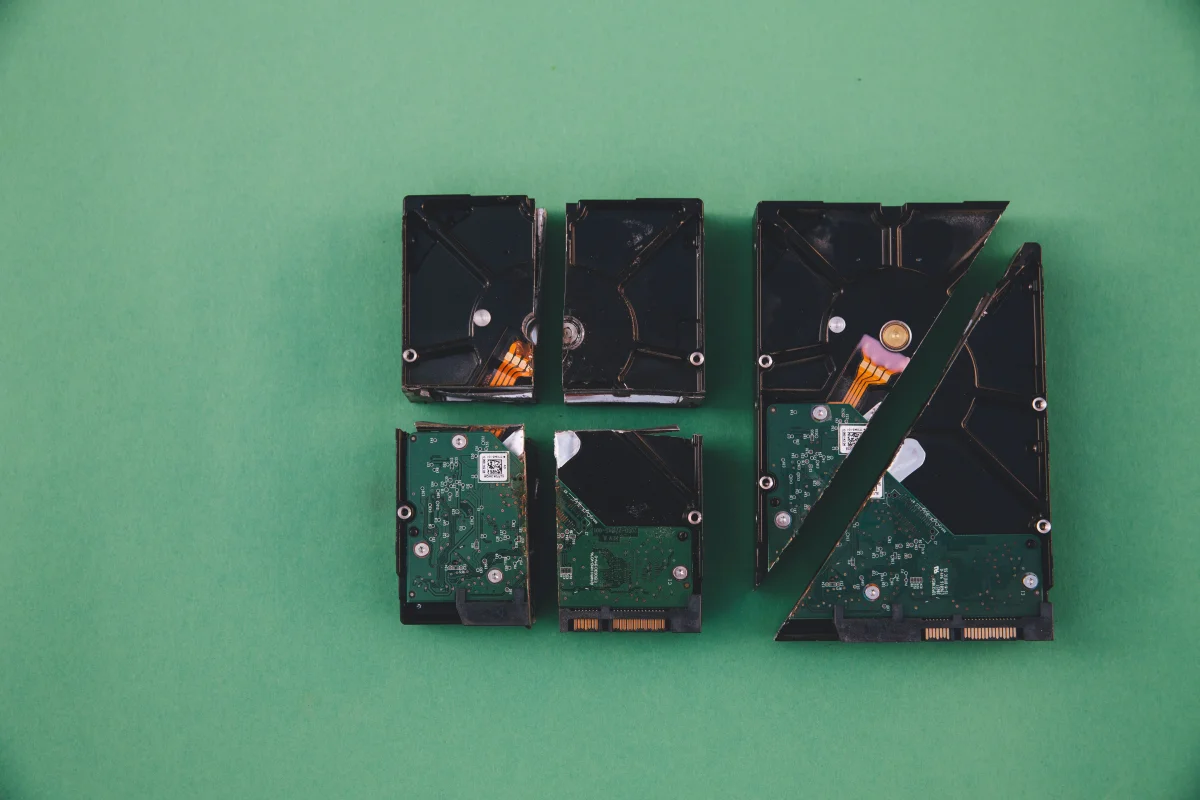


Tesco’s transition to Proxmox is a testament to the evolving landscape of virtualization technology. By choosing an open-source platform, they are not only cutting costs but also paving the way for a more adaptable and innovative IT infrastructure. This move reflects a broader trend in the enterprise sector towards embracing flexible, community-driven solutions that empower organizations to lead in their respective fields.
The shift to Proxmox marks a significant milestone in Tesco’s digital transformation journey. By freeing themselves from the constraints of proprietary systems, they are positioning themselves at the forefront of retail innovation. As more enterprises recognize the benefits of open-source solutions, Proxmox’s role in reshaping virtualization strategies becomes increasingly evident.