In the world of software development, the line between development and production environments is blurring. As more developers opt to configure their laptops as full-fledged production environments, the question arises: can a developer laptop truly replace a traditional server setup? This article dives deep into how laptops are evolving to meet production demands, offering flexibility and mobility without compromising on performance.
Chapter 01
The Evolution of Developer Environments
Explore the journey from static server rooms to dynamic laptop-based environments.
The Shift to Local Production
The shift from traditional server-based environments to laptop-based setups is driven by several key factors. Developers are seeking agility, portability, and cost-efficiency. Here are some compelling reasons to consider:
- Portability: Work from anywhere with your entire setup in a backpack.
- Cost: Laptops eliminate the need for costly server infrastructure.
- Control: More control over the development stack and environment.
- Speed: Quick iteration cycles and faster deployment.
- Flexibility: Easy to switch between projects and environments.
- Security: Enhanced security with local-only exposure.
Beyond the Basics
Laptops as production environments are more than just convenient. They offer a robust platform for containerization and virtualization. Tools like Docker and Vagrant have made it possible to simulate production environments locally. For instance, using Docker, you can create isolated containers that mimic production servers:
docker run -d -p 80:80 --name my-nginx nginxHistorical Context
The concept of local development is not new. However, the advent of powerful laptops and comprehensive development tools has made this a practical reality. In the past, developers relied heavily on shared environments which often led to configuration issues and deployment delays. Today, the tools are more sophisticated, allowing for seamless transitions from local to production.
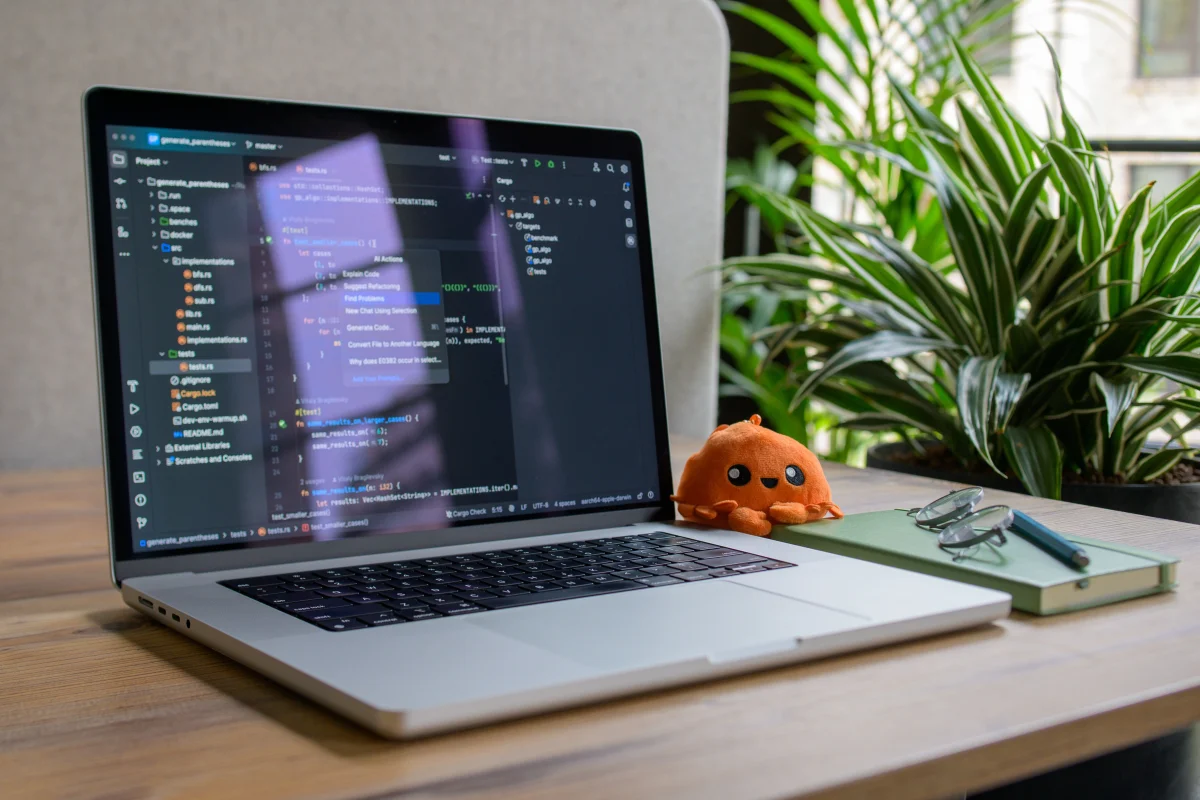
In the world of software development, the line between development and production environments is blurring.
Chapter 02
Crafting the Ideal Setup
Building a laptop environment requires careful selection of tools and configurations.
Narrative flow
Scroll through the argument
01
Step 1: Assess Your Needs
Begin by evaluating the specific requirements of your projects. This includes software dependencies, resource allocation, and compatibility needs.
02
Step 2: Choose the Right Tools
Select tools that streamline your workflow. Popular options include Docker for containerization, VSCode for coding, and Git for version control.
03
Step 3: Optimize Performance
Ensure your laptop is equipped with sufficient RAM and storage. Regularly update software and optimize resource usage to maintain efficiency.
Tool Selection
Selecting the right tools is crucial. Popular choices include:
- Docker: For creating isolated environments.
- VSCode: A lightweight yet powerful code editor.
- Git: Essential for version control.
- Node.js: For server-side scripting.
- Postman: For API testing.
- Vagrant: For managing virtual machines.
Case Study: A Day in the Life
Consider a developer working on multiple projects. With a laptop-based setup, transitioning between projects is seamless. Code changes can be tested locally before being pushed to production, reducing risks and improving code quality.
Common Pitfalls
Despite the advantages, there are pitfalls to avoid. Over-reliance on local setups can lead to inconsistencies with production environments. It’s essential to maintain parity and regularly sync configurations.
Tools in Action
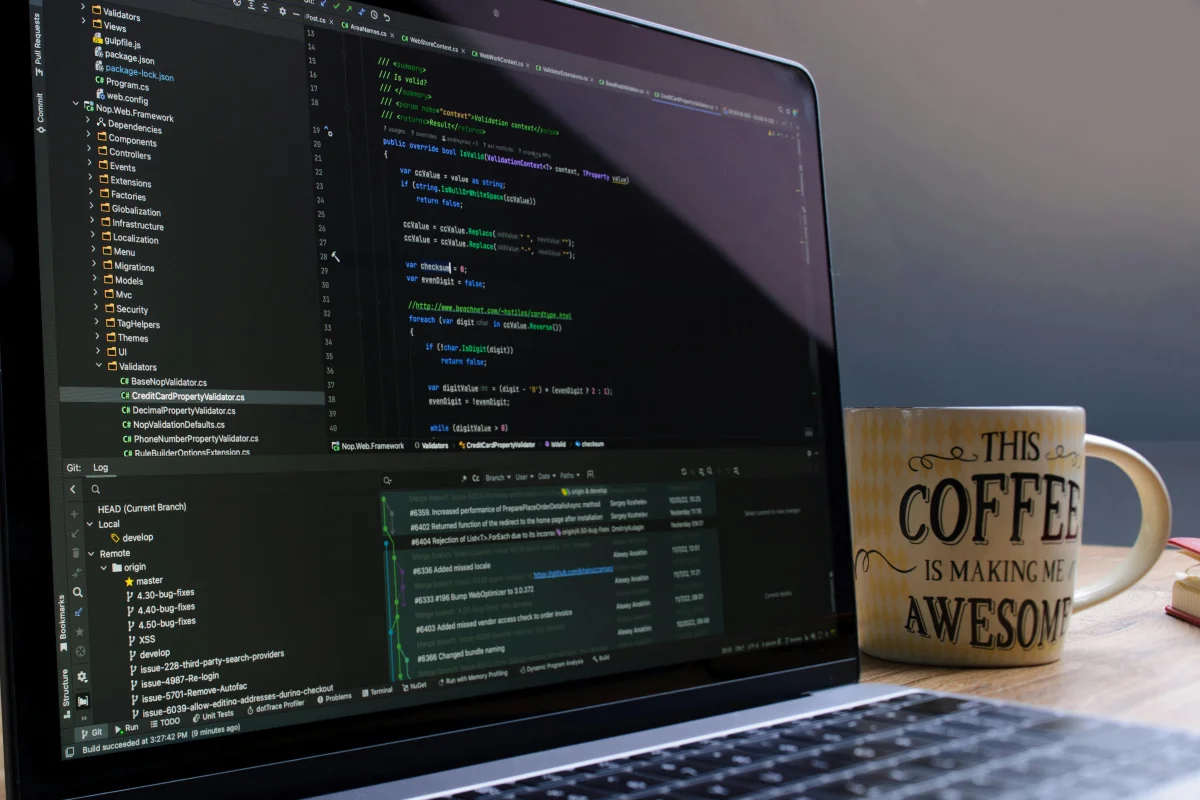
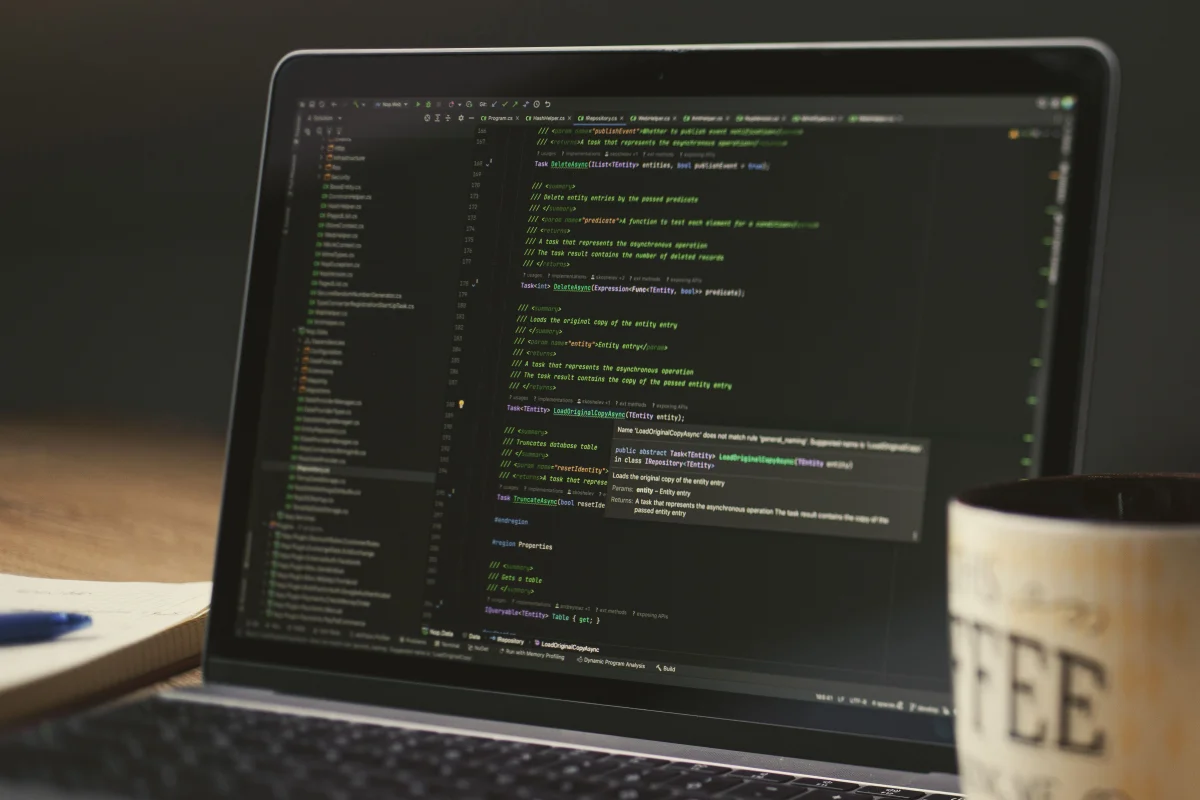

To truly harness the power of a laptop as a production environment, developers must embrace both the limitations and strengths of their hardware. By doing so, they can achieve a balance that offers both performance and convenience, paving the way for more innovative and flexible development practices.
As we move forward, the role of laptops in development will only continue to grow. The key takeaway is clear: with the right tools and configurations, your laptop is not just a device—it’s your production powerhouse.