
The dawn of artificial intelligence (AI) has brought a seismic shift to the military landscape. As nations vie for technological supremacy, AI’s role in modern warfare becomes increasingly pivotal. This article delves into the strategic, ethical, and operational implications of AI, exploring how it is reshaping conflicts and defense strategies globally.
Chapter 01
The Strategic Edge
AI's potential to transform military strategies is unparalleled. From autonomous drones to predictive analytics, AI is the new frontier of warfare.
The New Battlefield
In the realm of modern warfare, autonomous drones are quickly becoming indispensable. These AI-powered machines can operate independently, executing missions with precision and speed that human pilots cannot match. The benefits are clear: reduced risk to human life, enhanced operational efficiency, and the ability to execute complex maneuvers in hostile environments.
- Autonomous Navigation: Drones can navigate without human input.
- Swarm Technology: Coordinated drone attacks overwhelm defenses.
- AI Surveillance: Real-time data analysis from the battlefield.
- Predictive Maintenance: AI predicts and prevents machinery failures.
- Target Recognition: AI identifies and prioritizes threats.
- Cyber Defense: AI secures communication channels against breaches.
Strategic Deployment
AI’s integration into military strategy goes beyond hardware. Predictive analytics enables commanders to anticipate enemy movements, optimize logistics, and allocate resources more effectively. This intelligence-driven approach enhances decision-making, providing a strategic edge over adversaries still relying on traditional methods.
Ethical Dilemmas
However, the use of AI in warfare is fraught with ethical concerns. The potential for autonomous systems to make life-and-death decisions raises questions about accountability and moral responsibility. As the line between human and machine decision-making blurs, the military must address these ethical challenges to maintain trust and legitimacy.

The dawn of artificial intelligence (AI) has brought a seismic shift to the military landscape.
Chapter 02
Operational Transformation
AI isn't just a tool—it's a transformation agent for military operations, enhancing capabilities and redefining roles.
Narrative flow
Scroll through the argument
01
Enhanced Decision-Making
AI systems process vast amounts of data to provide strategic insights, leading to faster and more informed decisions on the battlefield.
02
Reduced Human Risk
By deploying autonomous systems, military operations can minimize human involvement in high-risk scenarios, preserving lives and increasing mission success.
03
Resource Optimization
AI streamlines logistics and supply chains, ensuring that resources are efficiently utilized and wastage is minimized.
AI in Logistics
AI’s role in military logistics is transformative. By automating supply chain management, AI ensures timely delivery of resources, minimizing delays and maximizing efficiency. This real-time adaptability is crucial in fast-paced environments where every moment counts.
The Human Element
Despite AI’s capabilities, the human element remains vital. AI systems, while advanced, require human oversight to interpret data outputs and make nuanced decisions. Human experience and intuition are irreplaceable, ensuring that AI complements rather than replaces human judgment.
Potential Pitfalls
A major concern is the overreliance on AI. As militaries become increasingly dependent on technology, they risk vulnerabilities to cyberattacks and system failures. Ensuring robust cybersecurity and maintaining human skills are essential to mitigate these risks.
AI in Action
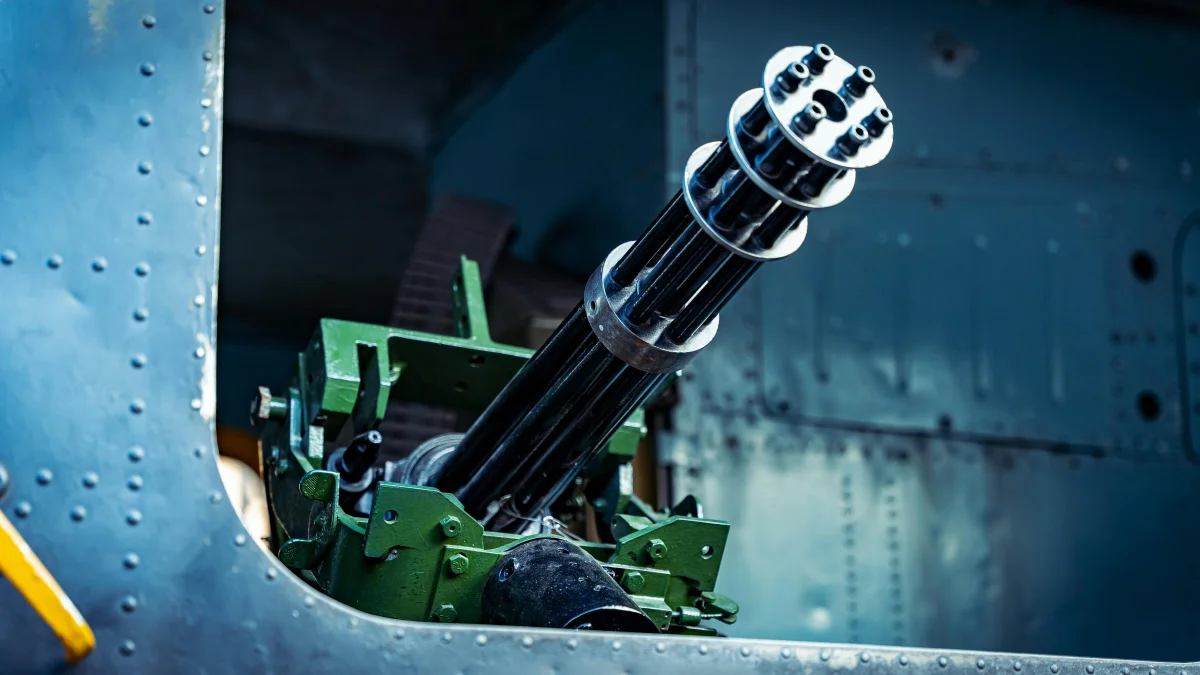
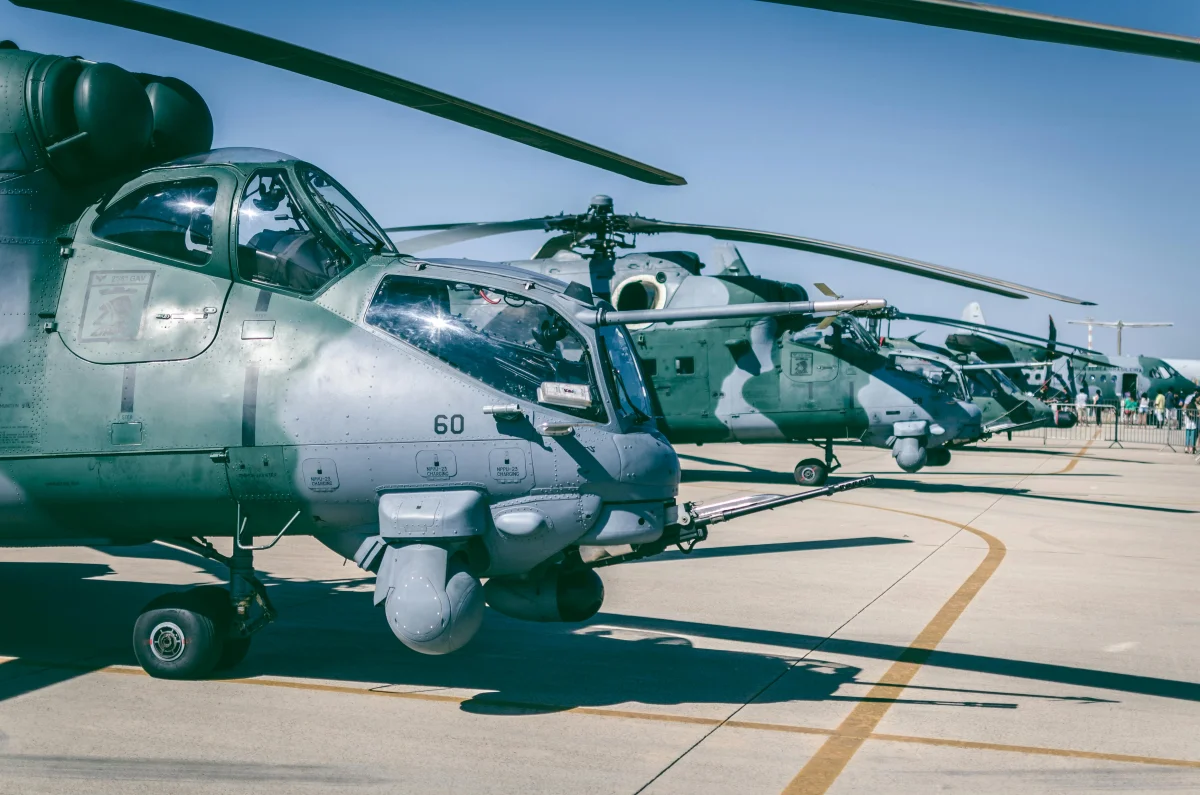
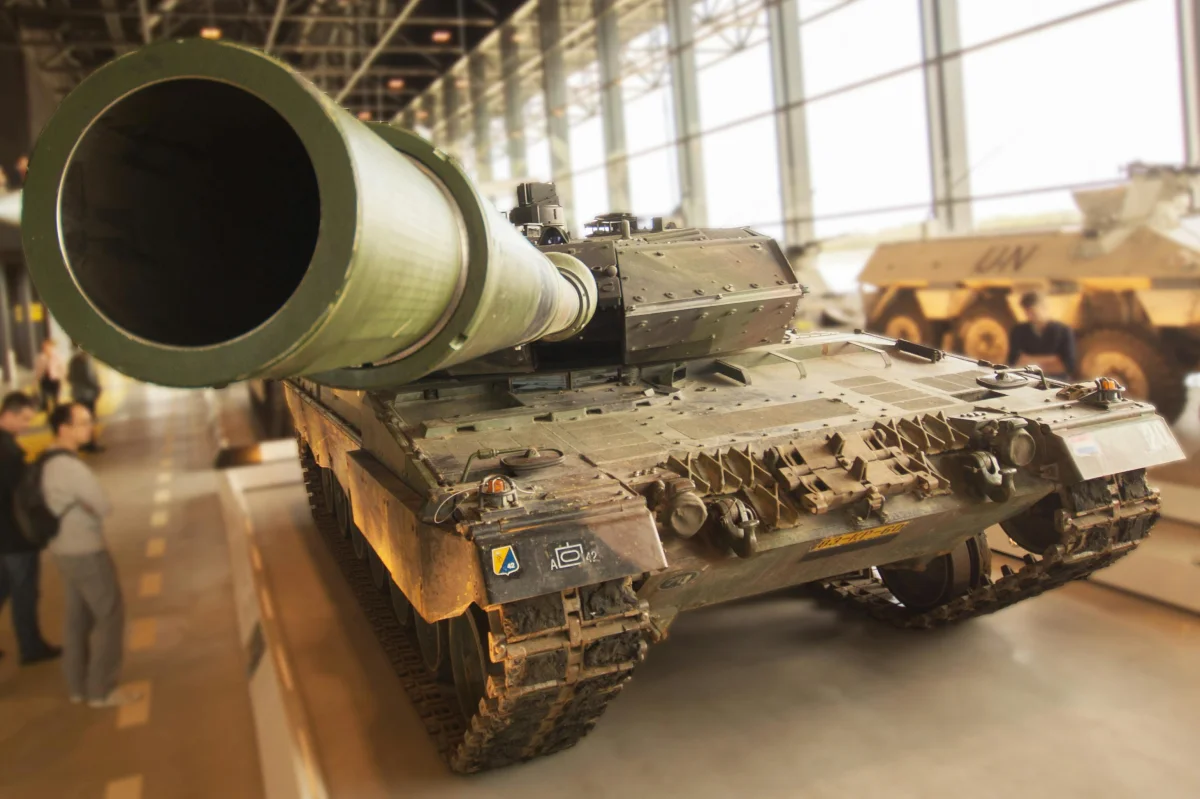
As AI continues to evolve, its impact on warfare will only grow. Nations must navigate the delicate balance between technological advancement and ethical responsibility, ensuring that AI serves as a force for peace and stability rather than conflict and chaos.
Chapter 03
The Future of AI Warfare
Looking ahead, AI's role in military applications will expand, reshaping strategies and influencing global power dynamics.
Shaping Tomorrow’s Wars
The integration of AI into military strategies is not just an enhancement—it’s a necessity. As potential adversaries develop their own AI capabilities, staying ahead is crucial. The future battlefield will be defined by technological prowess and the ability to adapt quickly to new challenges.
- AI-Driven Strategy: AI will drive comprehensive military strategies.
- Cross-Domain Operations: AI enables seamless coordination across air, land, sea, and cyberspace.
- AI Ethics Framework: Establishing guidelines for AI use in warfare.
- Enhanced Cybersecurity: Protecting AI systems from cyber threats.
- International Collaboration: Global cooperation to regulate AI weaponry.
- Resilient Systems: Building AI systems that withstand adversarial attacks.
Real-World Scenario
Consider a future where AI coordinates a multinational peacekeeping mission. By analyzing geopolitical data, AI systems can predict conflict zones and optimize the deployment of peacekeeping forces, preventing escalation before it occurs.
Best Practices
For militaries to effectively harness AI, they must invest in continuous training and development. Ensuring personnel are equipped to work alongside AI systems is vital to maximizing their potential and ensuring operational success.
Chapter 04
Beyond the Horizon
As AI technology advances, its potential to shape the future of warfare is both exciting and daunting.
Long-Term Implications
The long-term impact of AI in warfare is profound. It offers the potential to reduce casualties and enhance global security but also poses risks of misuse and escalation. As technology progresses, the military must remain vigilant, ensuring that AI serves humanity’s best interests.
Strategic Implementation
Practical steps must be taken to integrate AI into existing military frameworks. This includes developing robust AI policies, fostering innovation, and ensuring interoperability between human and machine decision-makers.
Balancing Act
The challenge lies in balancing technological advancement with ethical considerations. As AI becomes more autonomous, maintaining human oversight and accountability is crucial to prevent unintended consequences and preserve moral integrity.
AI’s role in modern warfare is a double-edged sword, offering unprecedented capabilities while posing significant ethical challenges. The key to harnessing its potential lies in careful implementation, strategic foresight, and unwavering commitment to ethical standards. The future of warfare is here—how we navigate it will define the course of history.