
Leap seconds, once the unsung heroes of precise timekeeping, are now being retired, a decision driven by the potential chaos they could unleash on global systems. In an age where milliseconds can define success or failure, this change aims to prevent a new Y2K-like crisis, ensuring our digital world remains in sync.
Chapter 01
The Rise and Fall of Leap Seconds
Understanding why leap seconds were introduced and why they're now being phased out to maintain global timekeeping stability.
A Brief History of Leap Seconds
Introduced in 1972, leap seconds were designed to keep our clocks in sync with Earth’s slowing rotation. By occasionally adding a second to Coordinated Universal Time (UTC), we ensured our timekeeping remained precise. However, this seemingly simple adjustment has become a potential pitfall in our increasingly digital world.
The Hidden Complexity
Leap seconds may seem trivial, but their implementation is anything but. Unlike the Y2K bug, where a date glitch led to widespread concern, leap seconds introduce irregularities that modern systems struggle to accommodate. As software and hardware become ever more intertwined with real-time data, the integration of an extra second can cause unexpected failures.

Introduced in 1972, leap seconds were designed to keep our clocks in sync with Earth's slowing rotation.
A senior timekeeping engineer
The Decision to Eliminate
The decision to eliminate leap seconds isn’t taken lightly. It reflects a broader understanding of the need for consistent and reliable timekeeping. As industries from finance to telecommunications rely on precise synchronization, the potential for disruption from leap seconds has become too great to ignore.
Preventing a New Y2K
The parallels to the Y2K bug are clear: both involve small, overlooked details with the potential for wide-reaching impact. Just as Y2K prompted a global reevaluation of date handling, the retirement of leap seconds represents a proactive step to preclude similar disruptions.
Chapter 02
The Path Forward
Exploring how industries are adapting to the removal of leap seconds and the strategies ensuring seamless transitions.
Navigating the Transition
As leap seconds phase out, industries must adapt. The transition involves a series of strategic steps to ensure systems continue to operate smoothly without the need for periodic time adjustments.
Narrative flow
Scroll through the argument
01
Step 1: Awareness
Organizations are informed about the impending change, ensuring all stakeholders understand the implications.
02
Step 2: Implementation
Technical teams update systems to accommodate a leap-second-free future, focusing on stability and precision.
03
Step 3: Monitoring
Continuous monitoring ensures no disruptions as the new timekeeping approach is integrated.
Strategic Adaptations
Industries have begun implementing strategies to mitigate potential disruptions. This includes revising software to handle continuous time without leap second adjustments, ensuring systems remain robust and reliable.
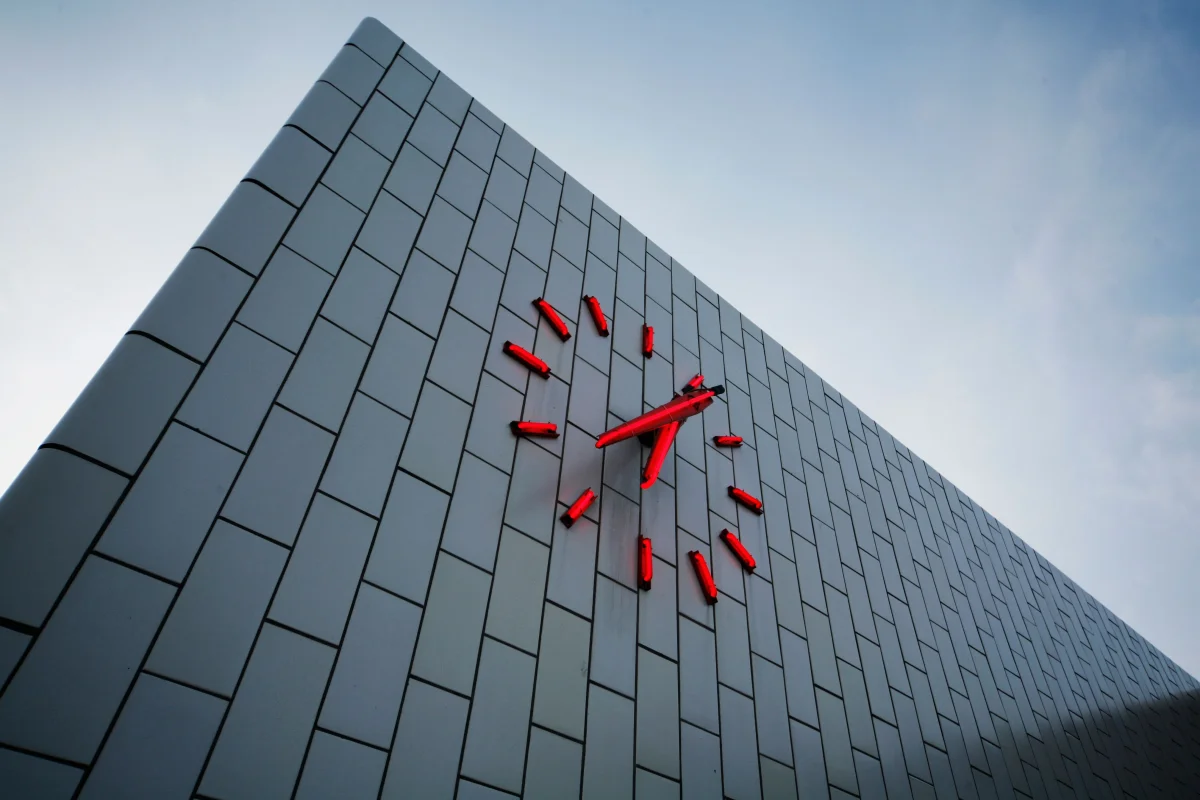
Timekeeping in Transition


The Future of Timekeeping
Looking ahead, the removal of leap seconds represents a shift towards a more unified and stable timekeeping system. As we continue to rely on precise time for everything from global communications to financial transactions, this change ensures that our systems remain as reliable as possible.
Ultimately, the retirement of leap seconds is a testament to our commitment to stability in an ever-evolving digital landscape. By proactively addressing potential issues, we ensure that the world’s clocks keep ticking smoothly, without the fear of a new Y2K-like disruption looming on the horizon.