Chapter 01
The Mechanics of Solar Air Heating
Understanding how solar air heating works is crucial to appreciating its benefits.
A Closer Look at Solar Air Heating
Solar air heating systems harness the sun’s energy to heat air, which is then circulated to dry clothes. This method not only minimizes reliance on fossil fuels but also leverages a natural, abundant resource—the sun. Unlike traditional dryers, which consume significant electricity, solar air systems operate with minimal environmental impact.
Installation and Efficiency
Installing a solar air heating system involves setting up solar collectors, typically mounted on a roof or wall with optimal sun exposure. These collectors capture solar energy, converting it into heat. The heated air is then funneled through ducts to the drying area. This process is both efficient and effective, particularly in regions with ample sunlight.
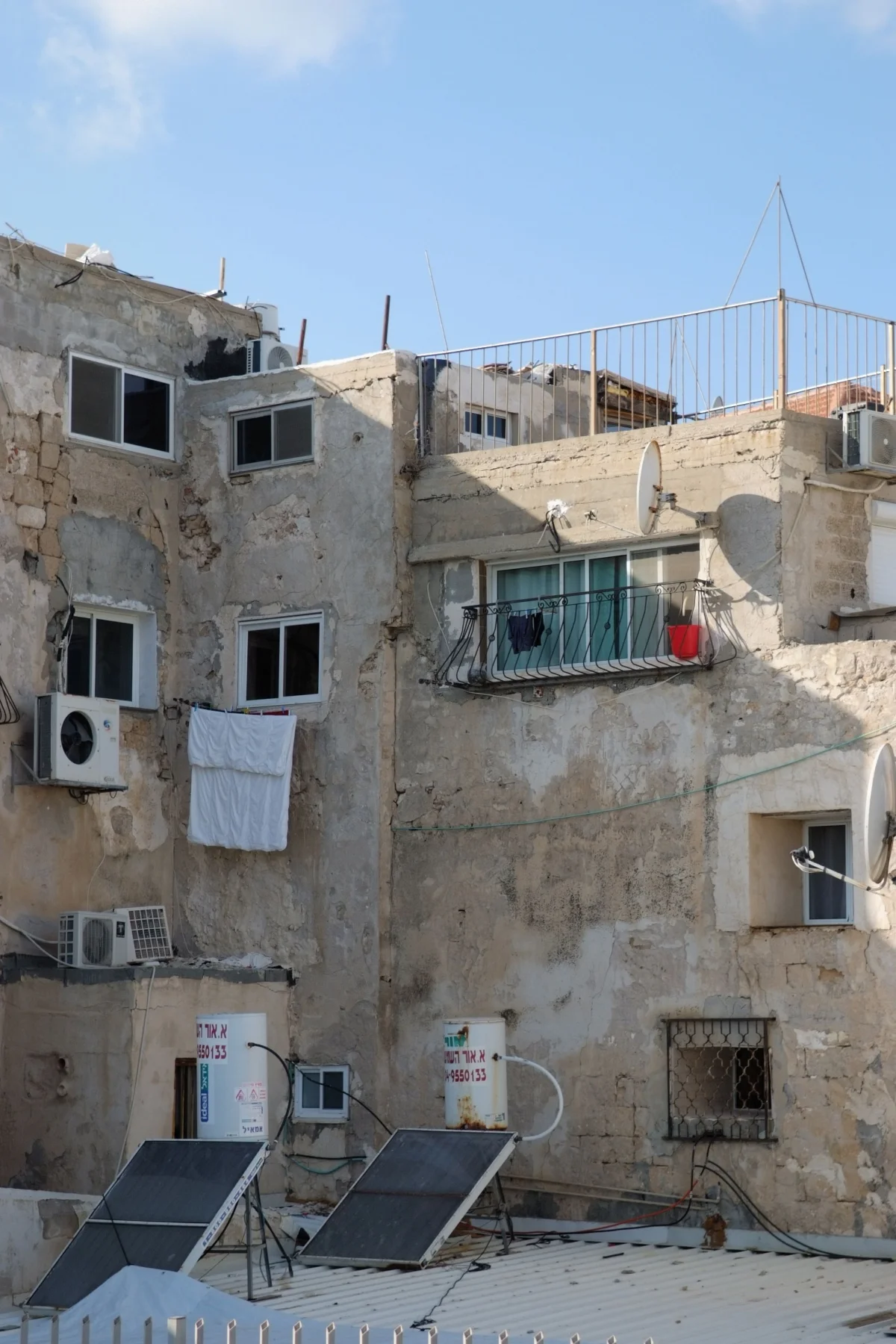
Solar air heating systems harness the sun's energy to heat air, which is then circulated to dry clothes.
Chapter 02
Benefits Beyond Energy Savings
While energy savings are significant, the advantages of solar air heating extend further.
Environmental and Economic Benefits
The most immediate benefit of solar air heating is the reduction in energy bills. By using the sun’s free energy, households can decrease their electricity consumption, leading to lower utility costs. Beyond economics, there’s a substantial environmental impact. Reducing reliance on electricity cuts down on carbon emissions, making solar air heating a green choice.
Narrative flow
Scroll through the argument
01
Step 1: Collect Solar Energy
Solar collectors absorb the sun's rays, generating heat.
02
Step 2: Heat Air
The captured energy heats air, which is directed to the drying area.
03
Step 3: Circulate Warm Air
Warm air circulates, efficiently drying clothes without electricity.
Real-World Applications
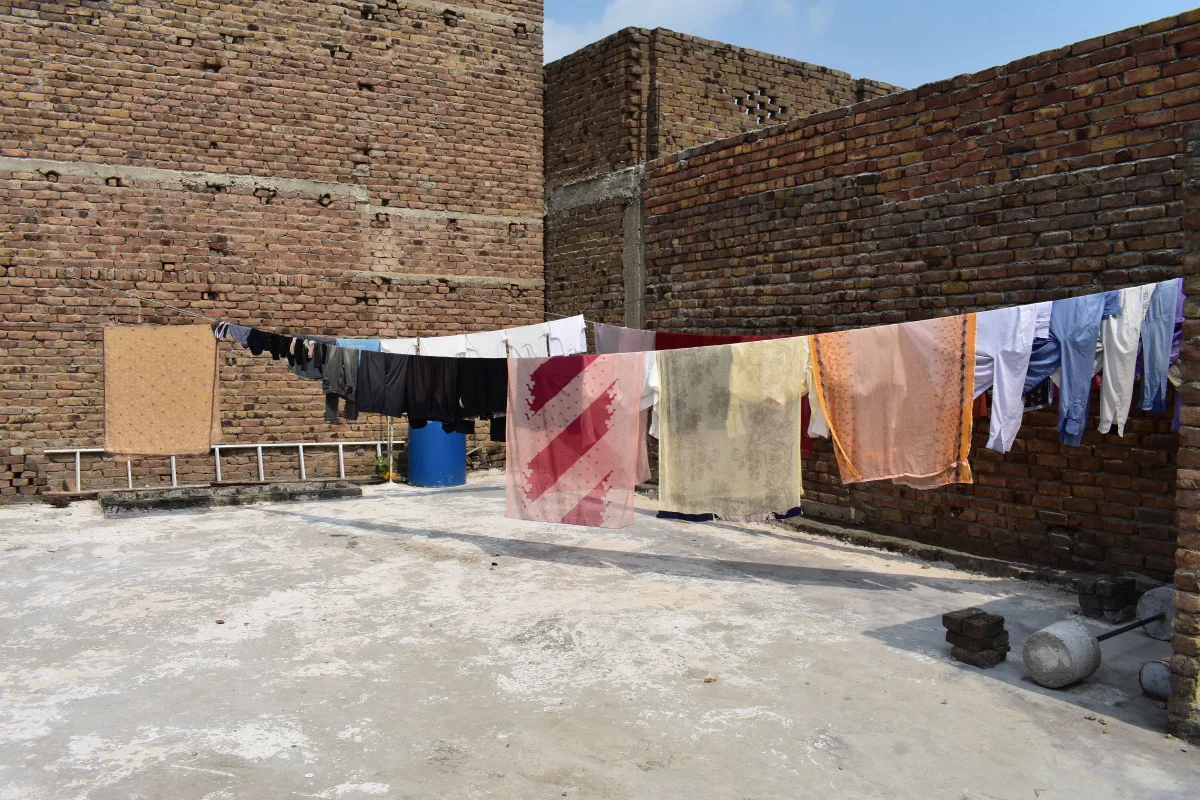
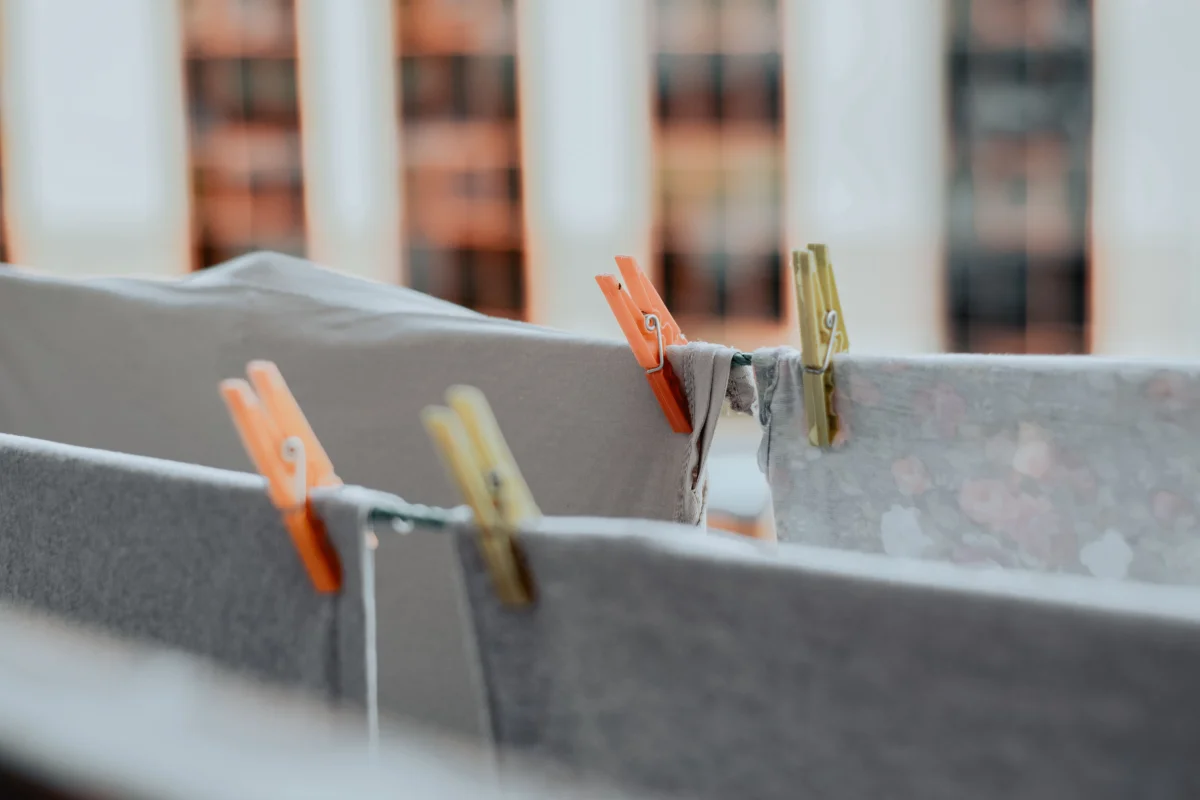
For many households, integrating solar air heating into daily routines proves both practical and rewarding. In many communities, this approach has transformed how people think about energy usage, highlighting the importance of sustainable living. Imagine a clothesline that not only dries clothes but also conserves energy—it’s a tangible step towards a cleaner planet.
Visualizing Solar Air Heating