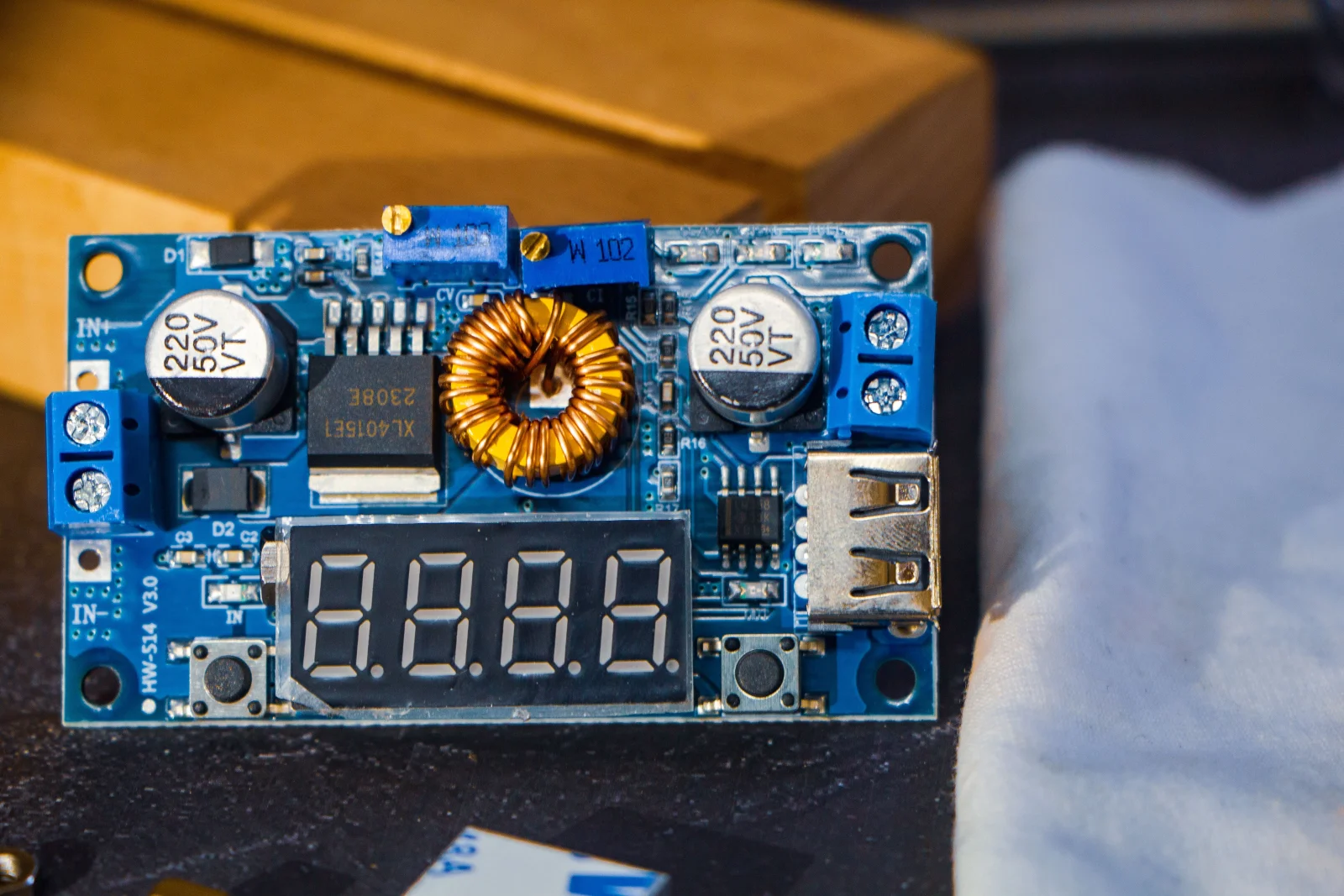
Revolutionary Tech
Crafting the Future: Ceramic Circuit Boards
An exploration into the solarpunk movement's embrace of DIY ceramic circuit boards.
The world of sustainable technology is undergoing a transformation, driven by innovation and necessity. At the heart of this shift lies the solarpunk movement—a vision for a greener, more harmonious future. One of the key technologies emerging within this realm is the DIY ceramic circuit board. These boards promise not only environmental sustainability but also a new level of accessibility for creators.
Chapter 01
The Rise of Ceramic Circuit Boards
Understanding the significance and application of ceramic circuit boards in sustainable technology.
The Solarpunk Connection
Solarpunk is not just a movement—it’s a manifesto for change, advocating for sustainable living through advanced tech. Ceramic circuit boards fit seamlessly into this vision, offering an eco-friendly alternative to traditional boards. With their high thermal stability and reduced environmental impact, these boards are pivotal in creating a sustainable tech ecosystem.
- Durability: Ceramic boards can withstand higher temperatures, reducing the need for cooling systems.
- Sustainability: Made from natural materials, they contribute less to landfills and e-waste.
- Efficiency: Enhanced thermal conductivity means better performance in solar applications.
- Aesthetic Appeal: Their natural look aligns with the solarpunk aesthetic.
- Resource Efficiency: Requires less energy for production and recycling.
- Innovation Catalyst: Opens new avenues for DIY enthusiasts.
The Technology Behind Ceramics
Ceramic circuit boards leverage advanced materials science to enhance performance. They are crafted from a base of alumina or silicon carbide, both known for their excellent thermal properties. This makes them ideal for applications where heat dissipation is crucial, such as in solar panels and LED lighting.
Historical Context and Evolution
The use of ceramics in technology isn’t new. From ancient pottery to modern electronics, ceramics have played a significant role in human innovation. Today, their integration into circuit boards marks a new chapter in sustainable tech. This evolution is driven by the growing need for materials that align with ecological goals.
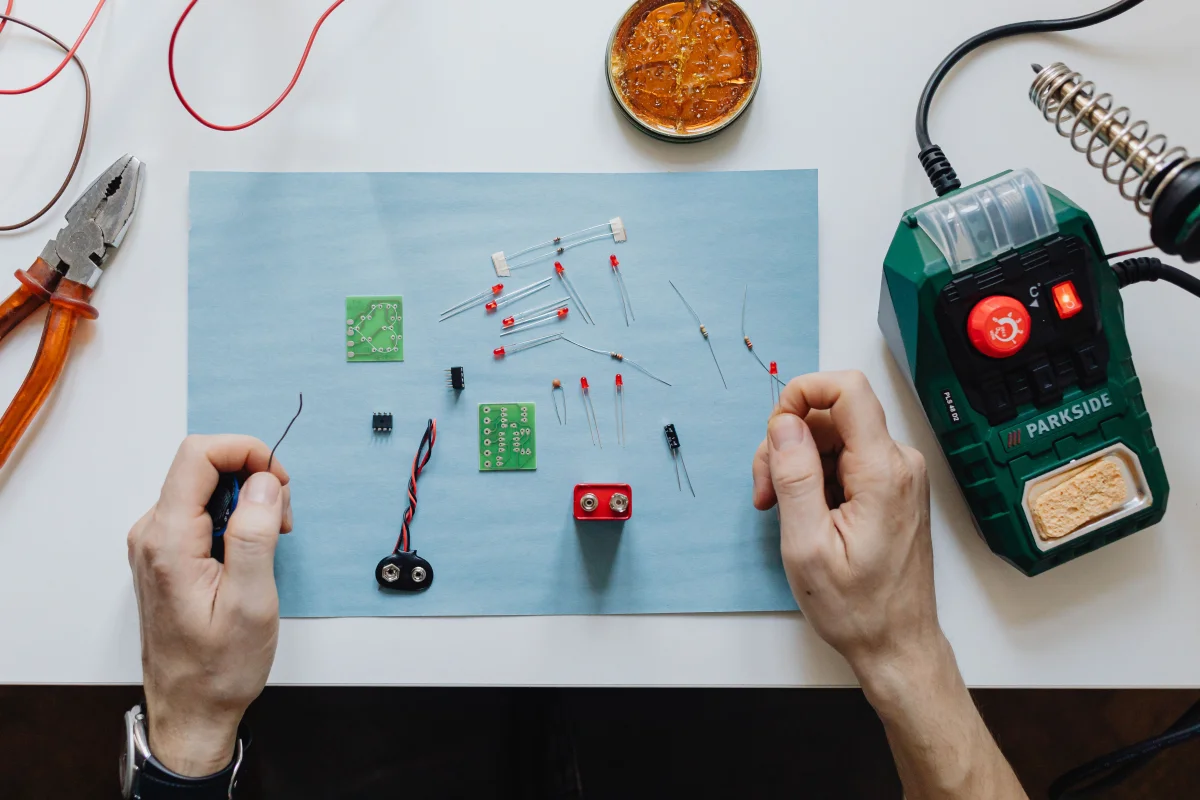
The world of sustainable technology is undergoing a transformation, driven by innovation and necessity.
Chapter 02
Crafting Your Own Boards
A guide to creating DIY ceramic circuit boards, empowering solarpunk enthusiasts.
Narrative flow
Scroll through the argument
01
Step 1: Gather Materials
Start with a base of alumina powder, a binding agent, and a kiln. These materials form the foundation of your circuit board.
02
Step 2: Design the Circuit
Use software to design your circuit layout. Precision is key to ensure efficiency and functionality.
03
Step 3: Firing and Assembly
Once designed, fire the board in a kiln to solidify the structure. After cooling, assemble your components onto the ceramic base.
Designing with Precision
Creating a ceramic circuit board begins with meticulous design. Software tools can assist in laying out the circuitry, ensuring that each component is optimally placed for performance and sustainability. This stage is critical, as it determines the board’s efficiency and longevity.
Avoiding Common Pitfalls
One of the common challenges in DIY circuit board creation is achieving uniformity in the base material. Uneven surfaces can lead to inefficiencies and potential failures. It is crucial to maintain consistency throughout the crafting process.
Visual Guide to DIY Ceramic Boards

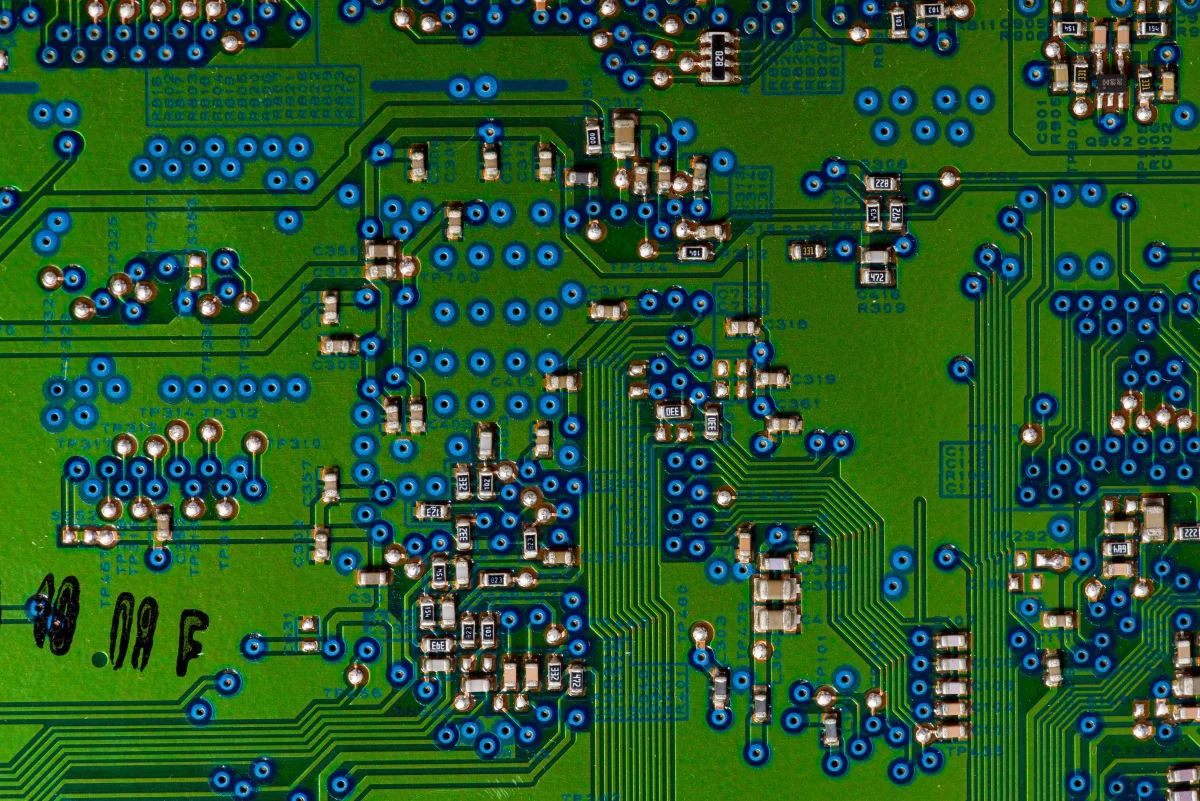

The process of creating DIY ceramic circuit boards is not just a technical endeavor—it’s an artistic expression of the solarpunk ethos. By embracing this craft, enthusiasts contribute to a larger movement, challenging the norms of modern technology and advocating for a sustainable, harmonious future.
Chapter 03
Implications and Future Directions
Exploring the broader impact of ceramic circuit boards on technology and society.
A Broader Impact
Ceramic circuit boards are more than just components; they are a symbol of a shift towards environmentally conscious technology. By reducing e-waste and promoting sustainability, they address critical environmental challenges.
- Environmental Impact: Significant reduction in toxic waste.
- Economic Benefits: Lower production costs in the long run.
- Energy Efficiency: Improved performance in renewable energy systems.
- Community Empowerment: Encourages local production and innovation.
- Scalability: Ability to meet growing renewable energy demands.
- Cultural Shift: Supports the cultural narrative of solarpunk and sustainability.
Real-World Applications
In practice, ceramic circuit boards have already found their place in various industries. In the realm of solar technology, they enhance the efficiency and lifespan of solar panels, making renewable energy more accessible and viable.
Best Practices for Adoption
Adopting ceramic circuit boards involves understanding both their benefits and limitations. It is important for manufacturers and DIYers to collaborate, ensuring that these boards are integrated effectively into new and existing systems.
Chapter 04
The Road Ahead
Looking forward to the continued integration of ceramic circuit boards into sustainable technologies.
Shaping the Future
As we move forward, the potential of ceramic circuit boards continues to expand. Their role in sustainable technology is set to grow, driven by innovation and a collective desire for a greener future.
Practical Implementation
For those interested in adopting ceramic circuit boards, starting with small-scale projects can provide valuable insights. DIY kits and community workshops offer opportunities for learning and collaboration.
Navigating Trade-offs
While ceramic circuit boards offer many advantages, they also present challenges. Balancing cost, availability, and technical capability will be crucial as these boards become more mainstream.
The journey towards a solarpunk future is paved with innovation and intent. DIY ceramic circuit boards are not just a technological advancement; they are a testament to human creativity and our unwavering commitment to sustainability. As we continue to explore their potential, we reaffirm our dedication to a world where technology and nature coexist harmoniously.