Indonesia, a nation renowned for its biodiversity and cultural heritage, is on the cusp of a technological transformation. With ambitions to become a global powerhouse in electric vehicle (EV) production, Indonesia’s journey is as much a tale of resource abundance as it is of strategic foresight. The country’s vast nickel reserves, a critical component in EV batteries, offer a tantalizing opportunity to redefine its industrial landscape.
Chapter 01
Resource Riches
Understanding Indonesia's natural advantage in the EV industry.
Nickel: The New Gold
Nickel is often referred to as the backbone of the EV battery industry. Indonesia is home to some of the world’s largest nickel deposits, a fact that positions it uniquely in the global supply chain. As countries around the world race to meet their climate goals, the demand for EVs—and consequently, nickel—has skyrocketed.
Strategic Reserves
Indonesia’s reserves are not just vast; they are strategically located. This geographic advantage allows for efficient extraction and transportation. However, tapping into these resources sustainably is crucial. The environmental impact of mining activities cannot be ignored, and Indonesia must balance economic gains with ecological preservation.
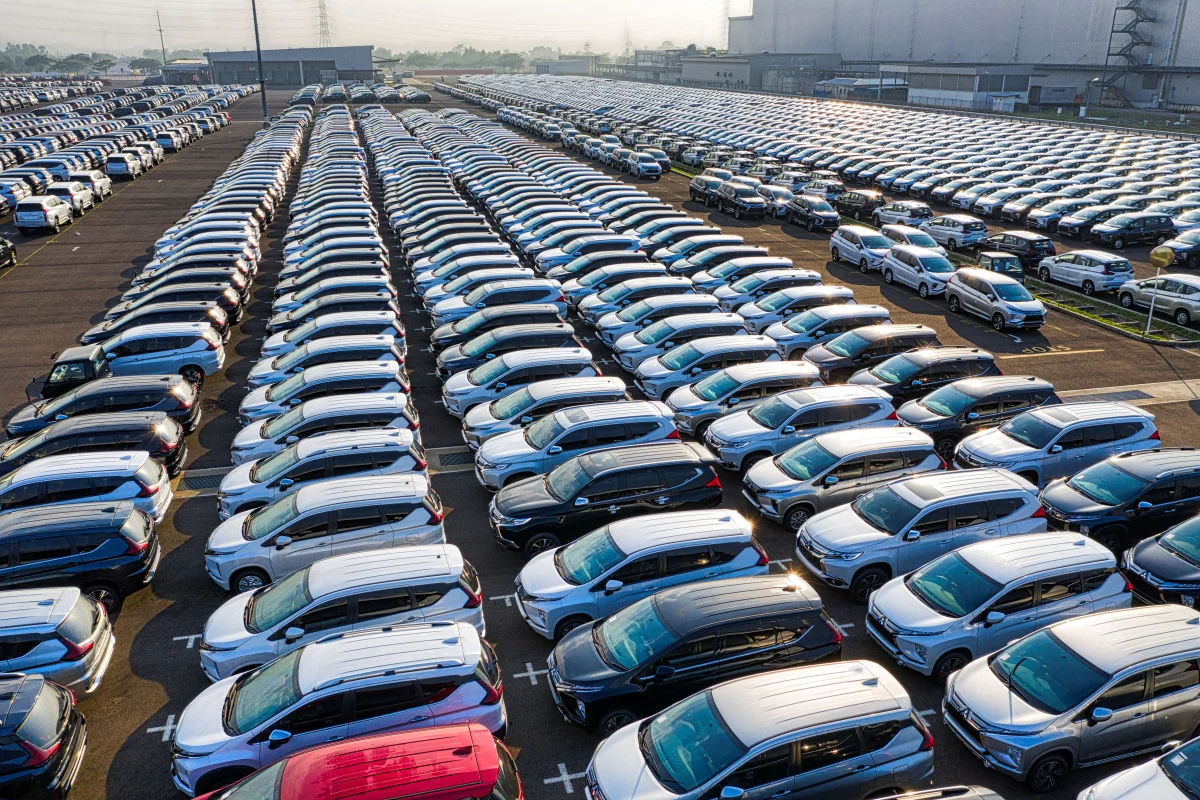
Indonesia's nickel reserves could change the global EV landscape.
An industry analyst
Government Initiatives
Indonesia’s government has recognized the potential of its natural resources and has rolled out several incentives to attract EV manufacturers. Tax breaks, relaxed import duties, and investment in infrastructure are part of a broader strategy to make Indonesia an attractive destination for EV production.
Chapter 02
Policy and Infrastructure
Exploring the policies driving Indonesia's EV ambitions and the infrastructure challenges that lie ahead.
Building the Framework
For Indonesia to realize its EV ambitions, infrastructure development is key. Charging stations, reliable power grids, and efficient transportation networks are essential components of this ecosystem. While government policies have laid the groundwork, execution remains a challenge.
The Role of Public-Private Partnerships
Collaborations between the government and private sector are vital. Such partnerships can accelerate infrastructure projects, drive innovation, and facilitate technology transfer. However, maintaining transparency and ensuring equitable benefits for all stakeholders will be crucial.
Narrative flow
Scroll through the argument
01
Resource Utilization
Indonesia must optimize its nickel extraction processes to meet global standards while minimizing environmental impact.
02
Policy Implementation
Effective enforcement of government policies will determine Indonesia's success in attracting EV manufacturers.
03
Infrastructure Development
Investment in infrastructure is critical to support the anticipated growth in EV production and usage.
Indonesia's EV Journey


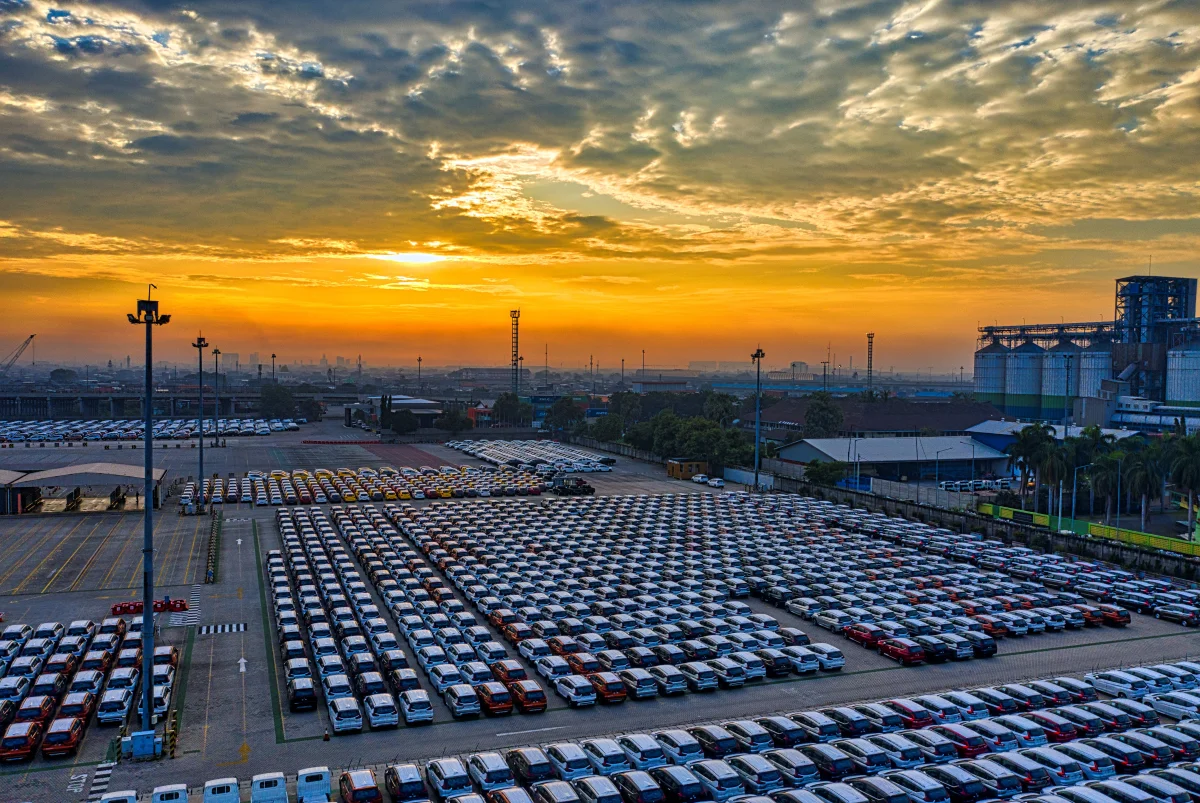
The question remains: can Indonesia truly become a leader in EV production? With its natural resources and proactive government policies, the potential is undeniable. However, the road to success is fraught with challenges. Infrastructure development, environmental sustainability, and policy consistency will be the deciding factors in this ambitious journey. If Indonesia can navigate these complexities, it may well redefine its place in the global automotive industry.