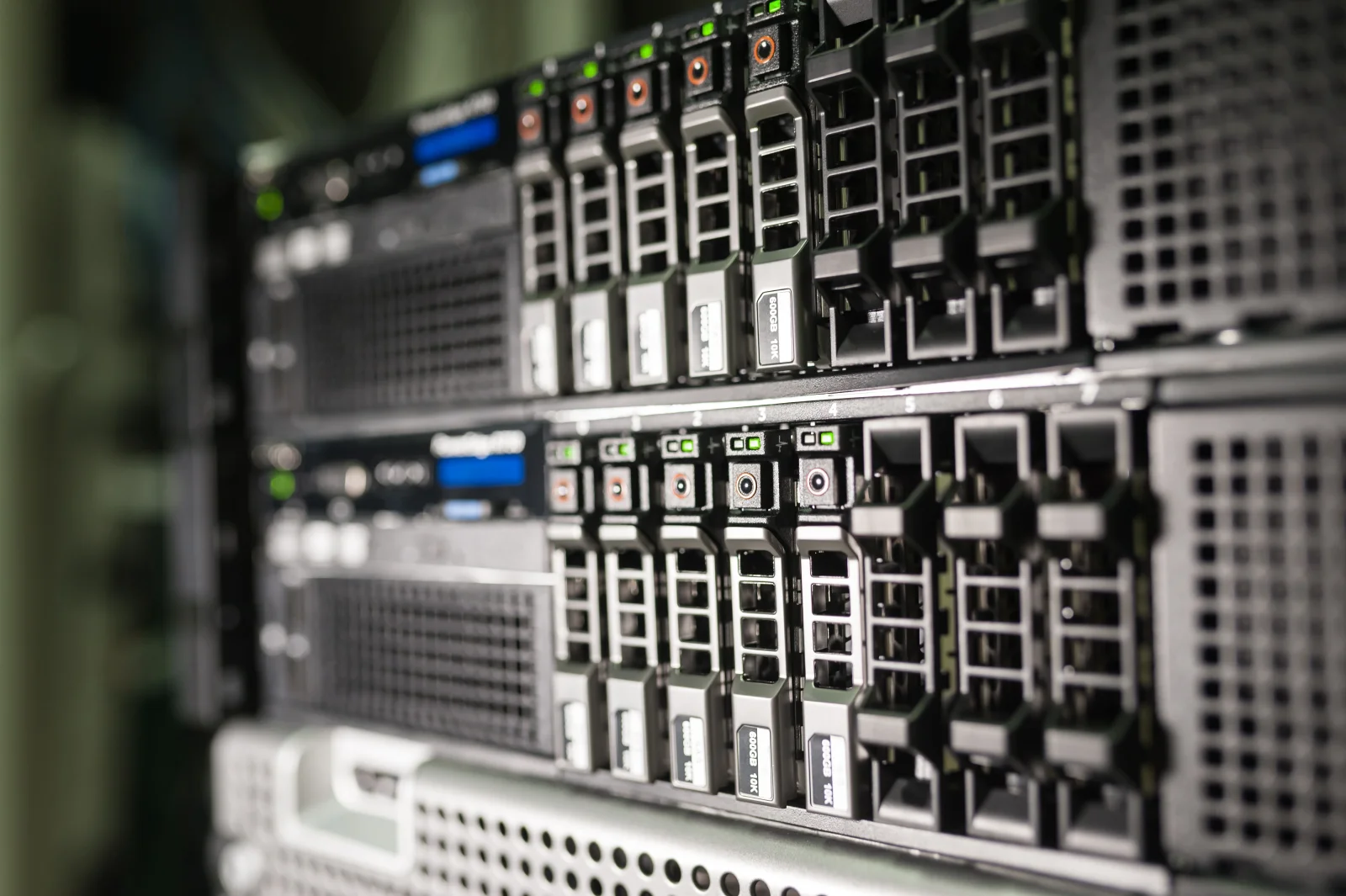
Imagine a scenario where data glides effortlessly through your pipeline, smooth as a ballet dancer, without the hindrance of unnecessary processes. Zero-copy storage provides a gateway to this ideal. This innovative method greatly reduces data replication, facilitating efficient and smooth data handling.
Chapter 01
The Essence of Zero-Copy Storage
Understanding the fundamentals of zero-copy storage and its impact on data pipelines.
Challenges with Conventional Storage Methods
In traditional storage systems, data duplication can silently obstruct operations. Unnecessary copies of data consume resources, which slows down the pipeline. By enabling data to move across stages without the burden of copying, zero-copy storage seeks to eradicate this inefficiency.
The Mechanics Behind Zero-Copy
Zero-copy storage utilizes system calls to directly transfer data between user space and kernel space. By circumventing traditional copying processes, this technique markedly reduces both latency and resource demands.
def zero_copy_transfer(data):
  # Mock function to demonstrate zero-copy concept
  return memoryview(data)
Efficient data movement is not just an optimization; it's a necessity.
A senior data strategist
Benefits of Adopting Zero-Copy
- Reduced Latency: Zero-copy storage speeds up data pipelines by cutting down on data movement.
- Lower Costs: With less data duplication, there are savings in both storage and computational resources.
- Scalability: Efficient handling of data makes scaling operations more straightforward.
Chapter 02
Multi-Protocol Support
Exploring the flexibility of multi-protocol systems in data pipelines.
Connecting Different Systems
The complexity of data pipelines has increased, with interaction among numerous protocols and formats. Multi-protocol support ensures that zero-copy storage solutions can manage diverse data streams while maintaining integrity and efficiency.
Steps for Multi-Protocol Storage Integration
Adding multi-protocol support involves designing systems capable of accommodating various data formats and transfer protocols. This adaptability is essential for contemporary data operations.
Narrative flow
Scroll through the argument
01
Protocol Agnosticism
Maintaining compatibility with all data sources without favoring a particular protocol.
02
Dynamic Adaptation
Real-time adaptation to changing data formats and protocols without manual input.
03
Consistent Interfaces
Offering a uniform interface across different protocols to simplify integration.
Visualizing Multi-Protocol Data Handling



As we approach the year 2026, the shift towards zero-copy, multi-protocol storage becomes unavoidable. The effective use of resources and cost savings present it as an attractive option for innovative data engineers. Choosing to adopt these technologies not only optimizes practices but sets a new standard for the future of data pipelines.