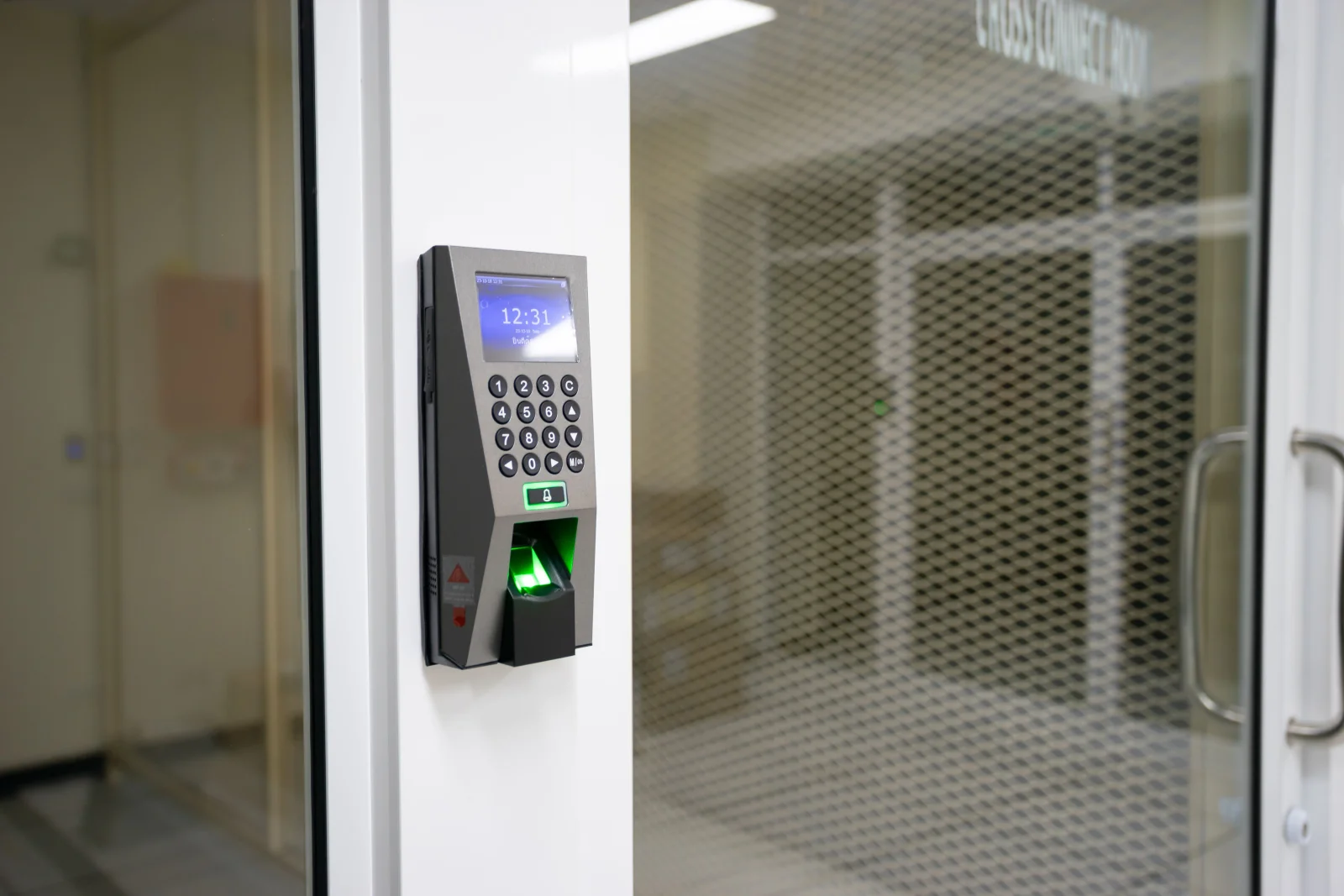
Imagine a world where your fingerprint is the key to all your devices and services. This is not science fiction, but a rapidly approaching reality as wireless fingerprint authorization devices become more prevalent. These devices promise not only convenience but also a new standard of security in a connected world.
Chapter 01
The Evolution of Biometric Security
Biometric security has evolved significantly over the years, from simple fingerprint sensors to complex wireless systems. Understanding this evolution is key to leveraging its full potential in modern applications.
Understanding Wireless Fingerprint Authorization
Biometric security has long been a staple of modern authentication systems. However, integrating wireless technology with fingerprint recognition elevates this to a new level. The core idea is to use your unique biological signature to gain access to systems without physical contact or keys.
- Enhanced Security: Combines unique biometric data with encrypted wireless communication.
- User Convenience: Eliminates the need for remembering passwords or carrying keys.
- Scalability: Easily integrates into existing IoT systems, from smart homes to industrial applications.
- Cost Efficiency: Reduces maintenance and operational costs in secure environments.
- Real-time Access: Provides instantaneous authentication and access control.
- Environmental Adaptability: Functions across diverse conditions without significant loss in accuracy.
Advantages of Biometric Systems
Biometric systems offer several advantages over traditional security methods. They rely on intrinsic human characteristics, which are difficult to replicate or steal. Fingerprint authorization, in particular, provides a seamless user experience, removing the need for physical keys or remembered passwords.
Historical Context
The use of fingerprints as a method of identification dates back to ancient Babylon, where fingerprints were used in clay tablets for business transactions. Today, with advancements in technology, these fingerprints can be captured electronically and used for high-security applications across the globe.

However, integrating wireless technology with fingerprint recognition elevates this to a new level.
Chapter 02
Building the Future: Step by Step
Creating a wireless fingerprint authorization device requires a blend of hardware and software expertise. Let's explore the fundamental steps involved in this process.
Narrative flow
Scroll through the argument
01
Step 1: Hardware Selection
Choose fingerprint sensors that offer high accuracy and reliability. For wireless communication, consider modules like Bluetooth or Wi-Fi for seamless integration.
02
Step 2: Software Integration
Develop software to process fingerprint data and manage wireless communication securely. This involves using encryption protocols to protect data transmission.
03
Step 3: Testing and Deployment
Thoroughly test the device in various environments to ensure reliability and performance. Upon successful testing, deploy the device in real-world scenarios.
Integrating Hardware Components
Selecting the right hardware is crucial. Fingerprint sensors must be highly accurate while remaining cost-effective. Wireless modules, whether Bluetooth or Wi-Fi, should be compatible with the existing network infrastructure.
import RPi.GPIO as GPIO
import time

GPIO.setmode(GPIO.BCM)
GPIO.setup(18, GPIO.IN)

try:
  while True:
      if GPIO.input(18):
          print("Fingerprint recognized")
          # Proceed with authorization
      time.sleep(0.1)
except KeyboardInterrupt:
  GPIO.cleanup()
Software Development
The software component ensures that fingerprint data is processed efficiently and securely transmitted over wireless networks. Implementing robust encryption protocols is essential to safeguard against potential breaches.
Common Challenges
Developers often face challenges such as signal interference and data latency in wireless systems. Addressing these issues requires a thorough understanding of both hardware and network environments.
Building a Wireless Fingerprint Device
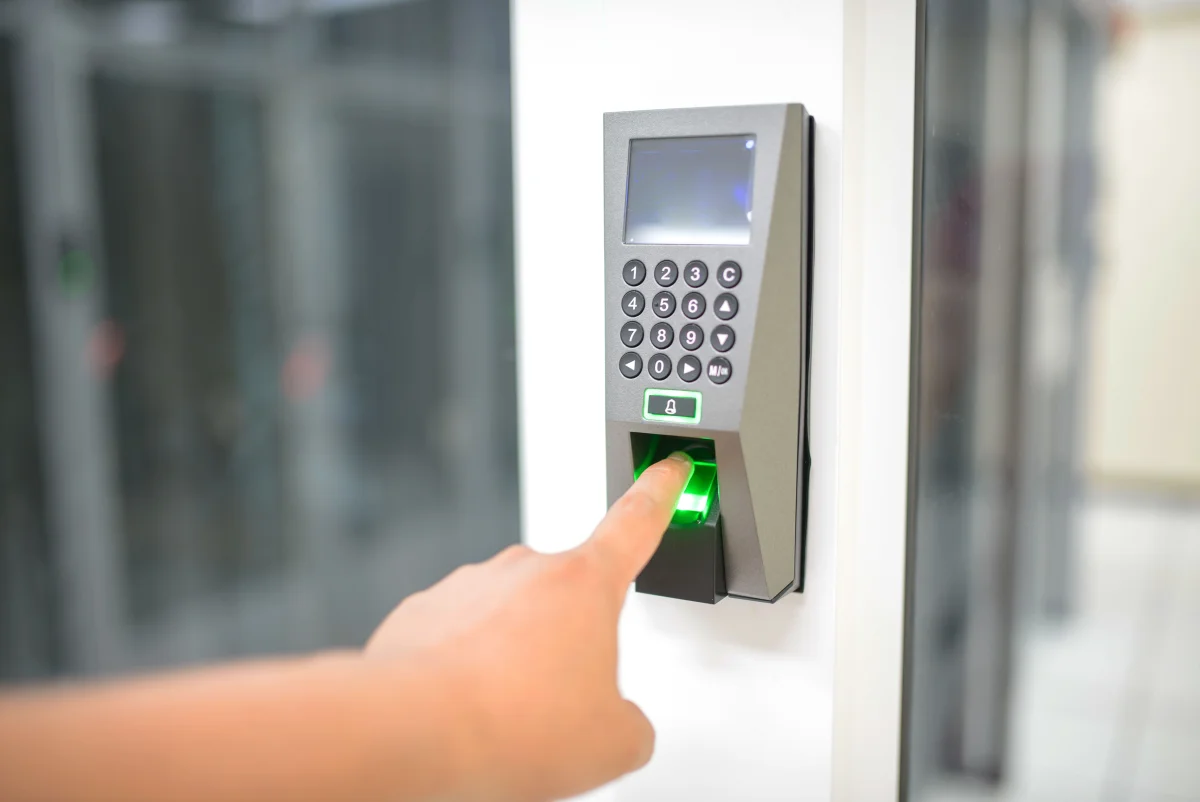


The integration of wireless fingerprint authorization devices into modern systems marks a significant advancement in security technology. By combining the uniqueness of biometric data with the flexibility of wireless communication, these devices offer unparalleled security and convenience. As technology continues to evolve, the possibilities for their application are endless.
As we look to the future, the role of wireless fingerprint authorization devices will only grow. These devices not only secure our digital lives but also pave the way for more intuitive interactions with technology. With continued innovation, biometric security will become a cornerstone of modern life, offering both security and simplicity.