
Innovation Insight
The Heart of Smart Home Ecosystems
Smart home ecosystems are reshaping how we interact with our living spaces, transforming convenience into a seamless reality.
Smart home ecosystems are no longer a glimpse into the future; they are part of our present, changing how we engage with our surroundings. Devices exchange information effortlessly across networks, promising unparalleled convenience. However, this evolution introduces hurdles, particularly regarding compatibility and privacy. As the array of devices expands, ensuring they function in harmony is essential.
Chapter 01
The Allure of Connectivity
Smart home ecosystems promise an interconnected experience, but what lies beneath the surface?
The Potential of Automation
Picture a home that intuitively prepares for your day — blinds rise to greet the morning sun, your coffee brews just in time, and the thermostat adjusts to your ideal setting. This level of interconnectedness epitomizes the essence of smart home ecosystems, where IoT devices communicate effortlessly.
Barriers to Interoperability
While appealing, this level of integration presents challenges. Diverse standards including Zigbee, Z-Wave, and Wi-Fi create potential compatibility hurdles. Users often encounter a jumbled market where devices might not sync as they should.

Interoperability remains the Achilles' heel of smart home ecosystems.
A technology analyst
Concerns About Privacy and Security
With enhanced connectivity, new vulnerabilities emerge. As homes gain intelligence, they also face increased risks from cyber threats. Strong security protocols are crucial, yet not every device prioritizes encryption or regular updates. Protecting against unauthorized access remains a significant issue for privacy-conscious users.
Chapter 02
The Path to a Smarter Home
Navigating the smart home landscape requires understanding its layered complexities.
Crafting an Effortless Experience
Creating an intuitive smart home environment involves more than just buying gadgets. It’s about understanding how these pieces come together within a larger system that supports automation and enriches everyday life.
Narrative flow
Scroll through the argument
01
Selecting Compatible Devices
Choose devices that adhere to common standards to ensure seamless communication across your smart home network.
02
Integrating with a Central Hub
A central hub acts as the brain of the system, coordinating device actions and facilitating automation.
03
Prioritizing Security
Implement robust security measures, including strong passwords and frequent firmware updates, to safeguard your ecosystem.
Integrating into Everyday Life
In practical terms, a truly smart home intuitively responds to the habits of its inhabitants. Think of a security system that adapts to your daily routine, adjusting lighting and alarms as needed. Or a refrigerator that monitors its contents and suggests recipes — such integrations demonstrate the potential within home automation.
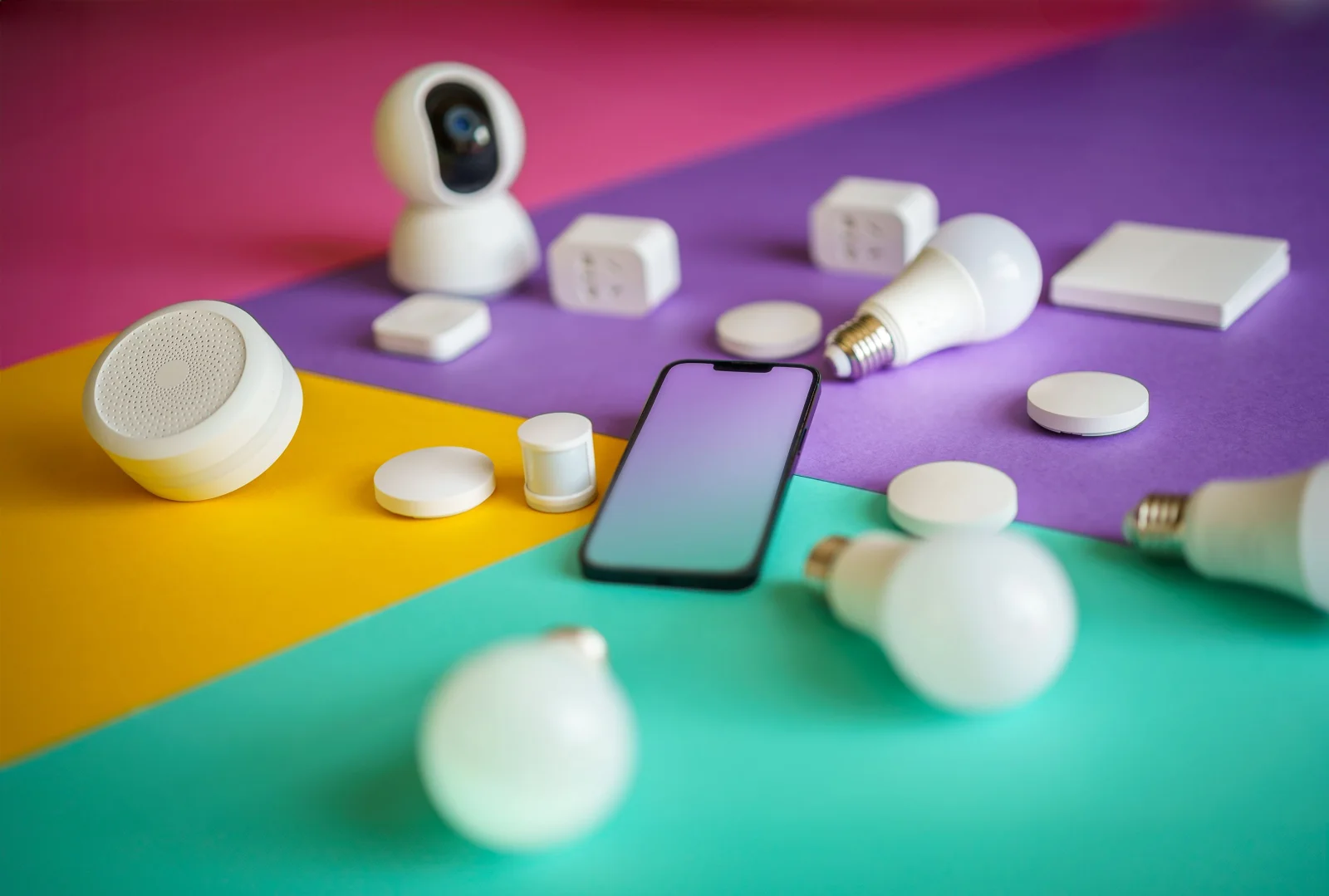
Smart Home Devices in Action



The Continuous Journey
Smart home ecosystems remain in flux, with AI and machine learning nurturing more advanced solutions. As these innovations progress, the goal is to provide a tailored experience while safeguarding privacy and security.
The emergence of smart home ecosystems signifies a profound change in our perception of daily life. As homes become intricately connected, balancing convenience with security and privacy grows increasingly essential. While certain obstacles persist, the allure of an automated home continues to drive innovative breakthroughs.