
In an era where Industry 4.0 is reshaping the manufacturing landscape, the ability of factory robots to switch tasks in minutes is nothing short of revolutionary. This flexibility is propelling industries toward unprecedented levels of efficiency and adaptability, ensuring they remain competitive in a rapidly changing market.
Chapter 01
The Rise of Task-Switching Robotics
Explore the technological advancements that enable factory robots to rapidly change tasks, transforming industrial efficiency.
Understanding Task-Switching Dynamics
Factory robots have evolved from being single-task machines to versatile units capable of handling multiple operations. This transformation is largely driven by advancements in artificial intelligence and machine learning. These technologies enable robots to learn and adapt, significantly reducing the need for extensive reprogramming when production requirements shift.
Key Benefits:
- Reduced Downtime: Quick task switching means less time lost during production changes.
- Increased Flexibility: Robots can accommodate varying production schedules and product lines.
- Enhanced Productivity: With the ability to adapt quickly, robots keep production lines running smoothly.
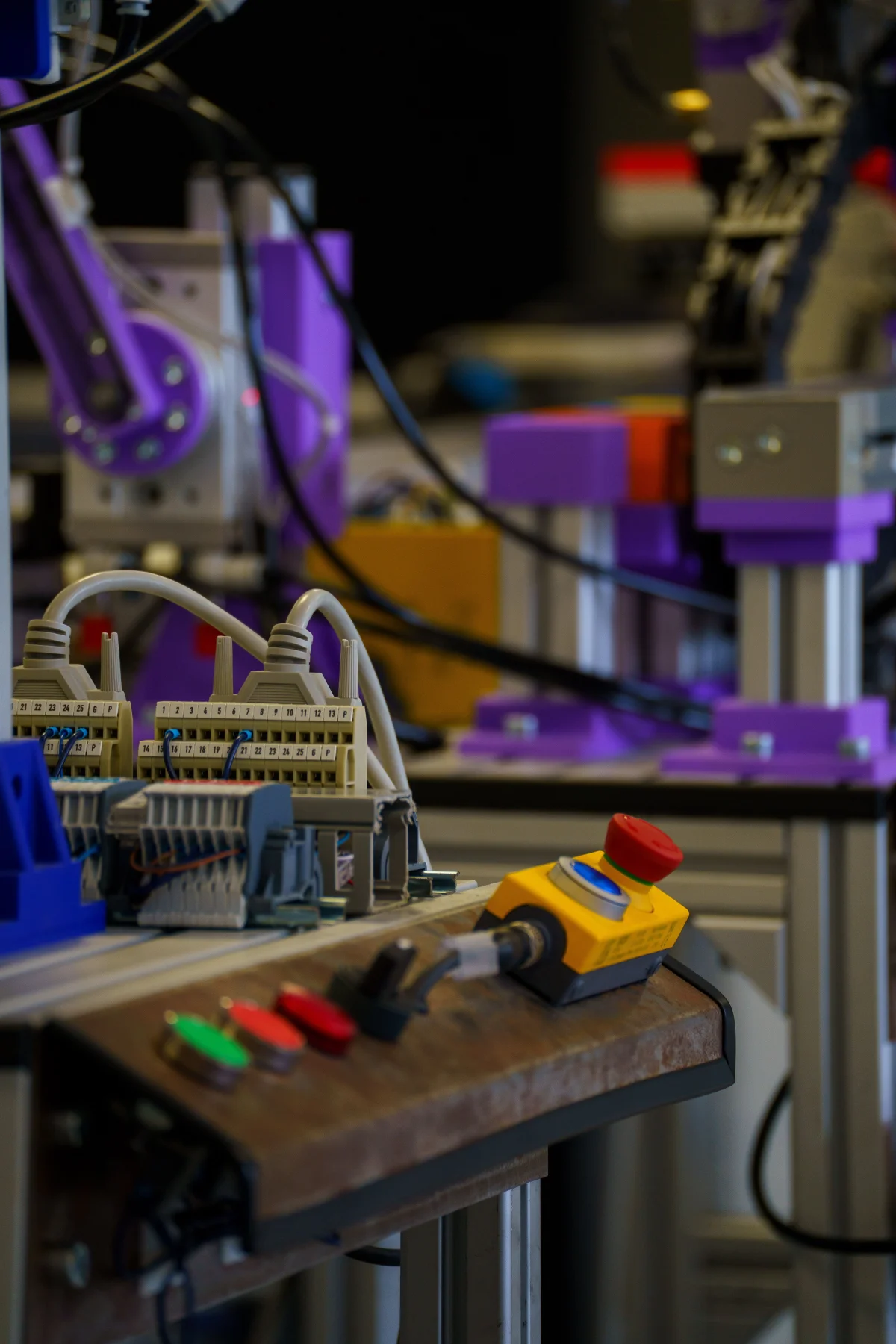
In an era where Industry 4.0 is reshaping the manufacturing landscape, the ability of factory robots to switch tasks in minutes is nothing short of revolutionary.
An industry analyst
The Role of AI in Robotics
AI-powered robots analyze production data in real-time, allowing them to anticipate and respond to changes swiftly. This capability is critical as manufacturers strive for just-in-time production, reducing waste and optimizing resource usage.
- Predictive Algorithms: These enable robots to foresee and preemptively adjust to production shifts.
- Self-Learning Systems: Robots refine their processes through continuous learning, enhancing task efficiency.
Chapter 02
Real-World Applications and Implications
Delve into how task-switching robots are being implemented across industries and the broader implications for manufacturing.
Industry Adoption and Impact
Industries such as automotive and electronics are at the forefront of adopting task-switching robots. These sectors benefit immensely from the capacity to pivot production processes swiftly, meeting diverse customer demands without compromising on efficiency.
- Automotive: Robots adapt to different models and specifications with minimal downtime.
- Electronics: Rapid assembly line changes are possible, catering to fast-evolving tech products.
- Consumer Goods: Flexibility in production aligns with seasonal and trend-based product lines.
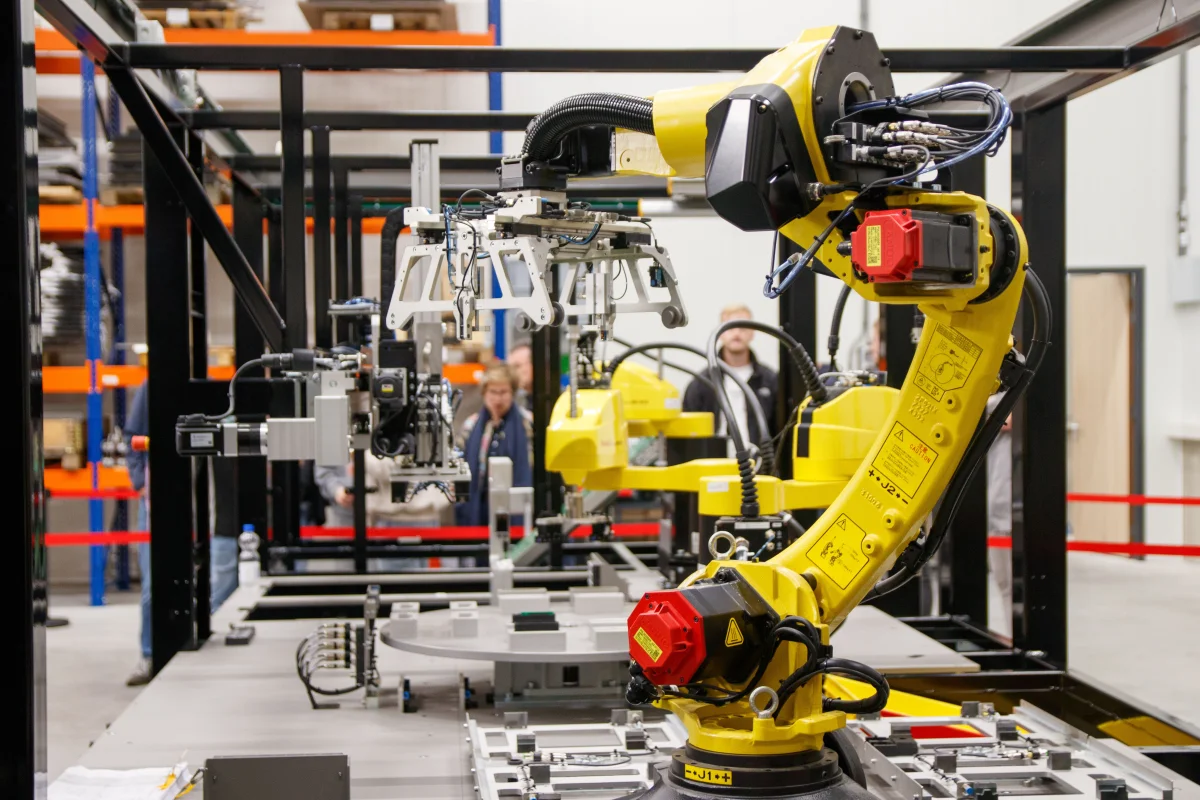
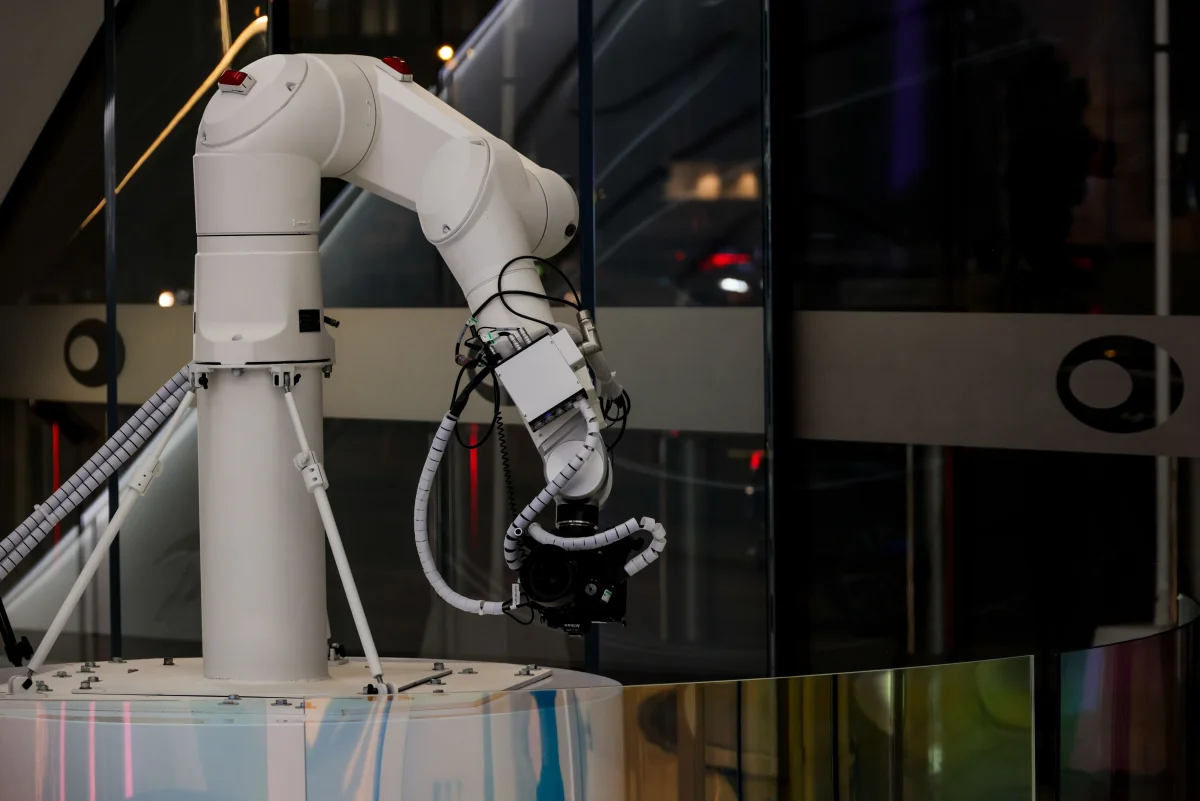
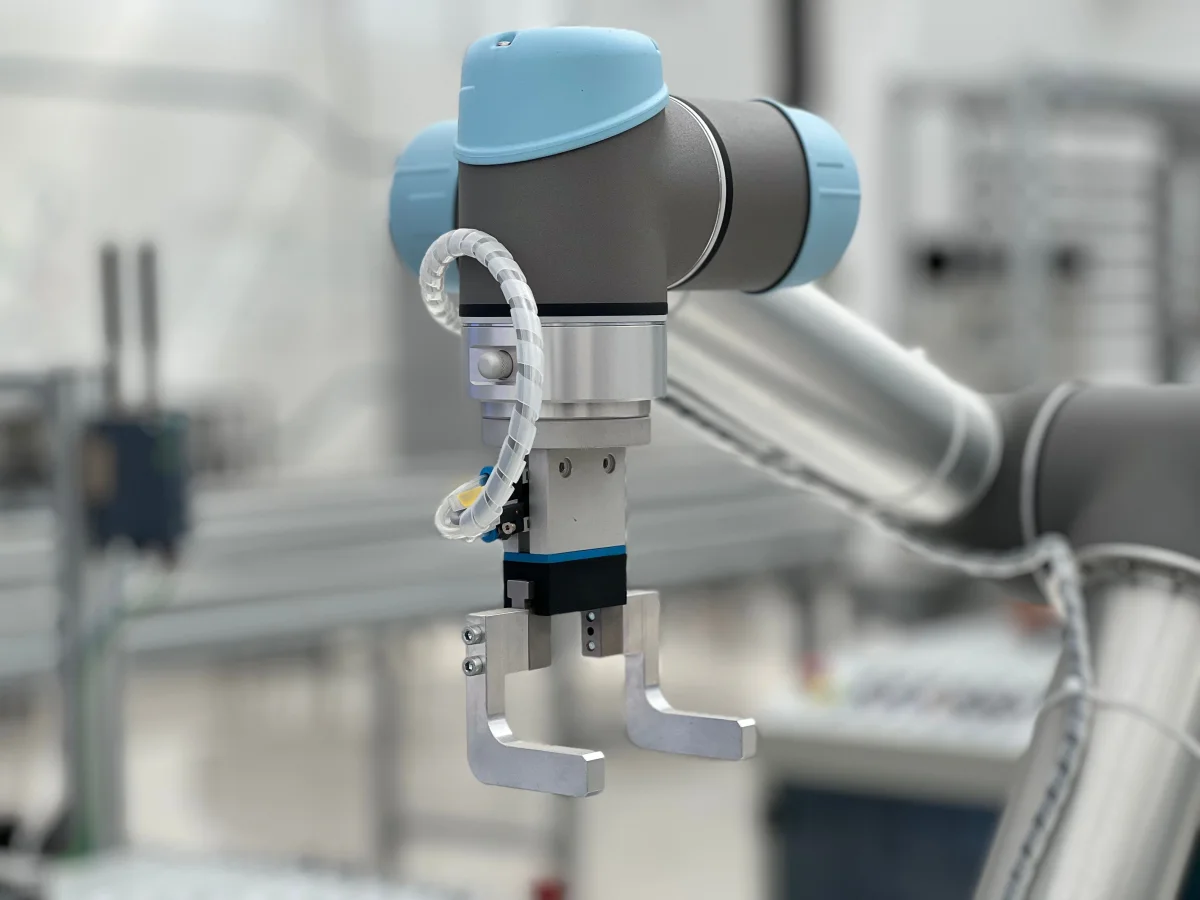
Task-Switching Robots in Action
Narrative flow
Scroll through the argument
01
Step 1: Integration
Industries integrate task-switching robots into existing systems to enhance efficiency.
02
Step 2: Customization
Robots are customized for specific tasks, increasing versatility and reducing transition times.
03
Step 3: Optimization
Continuous optimization of processes through AI ensures maximum productivity and minimal waste.
Challenges and Future Prospects
While the benefits are clear, the transition to task-switching robots is not without challenges. High initial investment costs and the need for skilled personnel to manage these systems pose significant barriers. Nonetheless, as technology advances and costs decrease, we can expect broader adoption.
Future Outlook:
- Cost Reduction: As technology becomes more accessible, costs will decrease, encouraging wider implementation.
- Skilled Workforce: Training programs will be essential to equip workers with the necessary skills to manage and optimize robotic systems.
The journey of factory robots, from task-specific machines to adaptable units, marks a pivotal shift in manufacturing. As these robots continue to evolve, their ability to switch tasks in minutes will redefine industrial landscapes, driving efficiency and innovation. The future is one where flexibility and speed are not just advantages but necessities for survival in the competitive world of manufacturing.