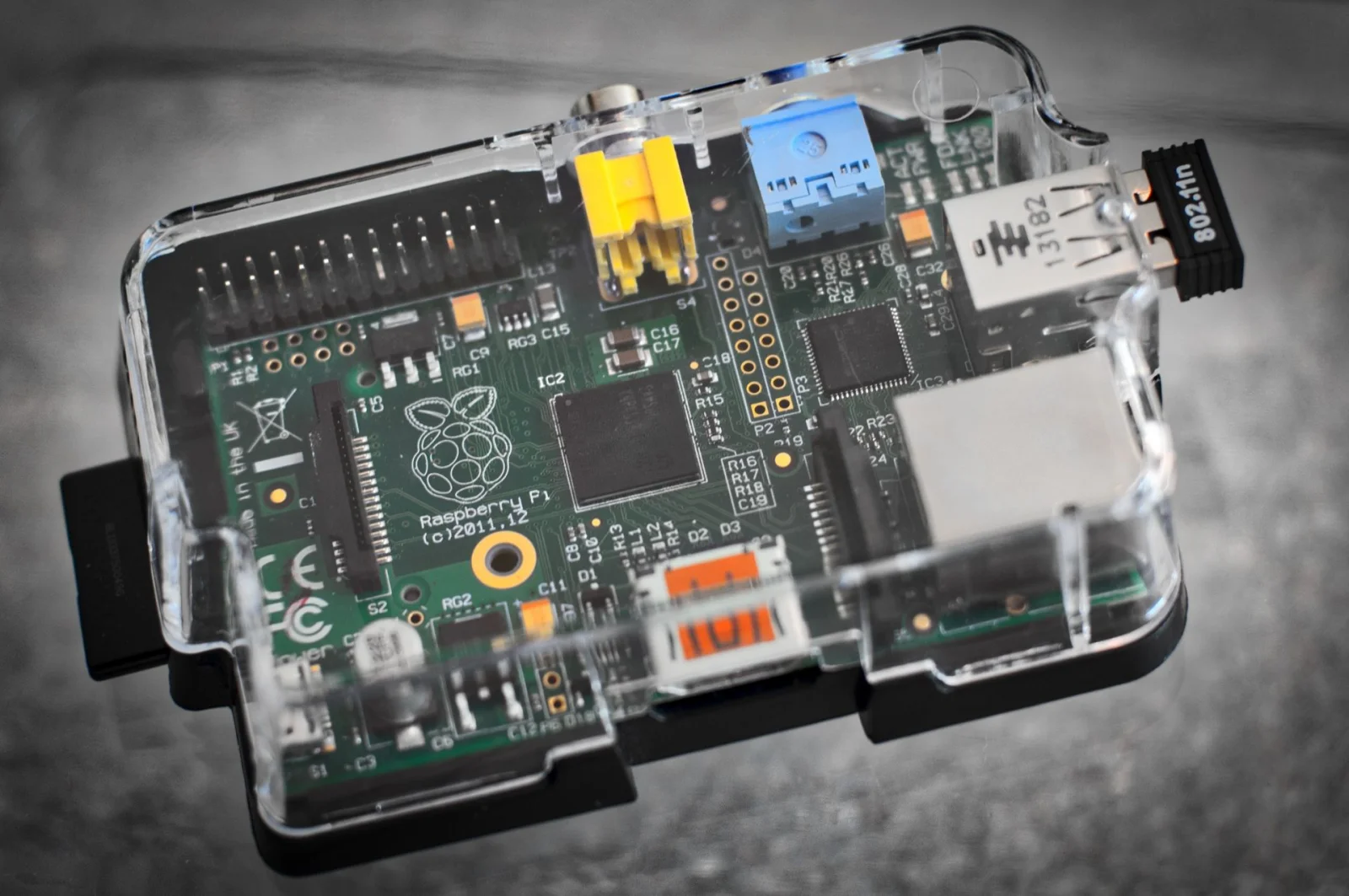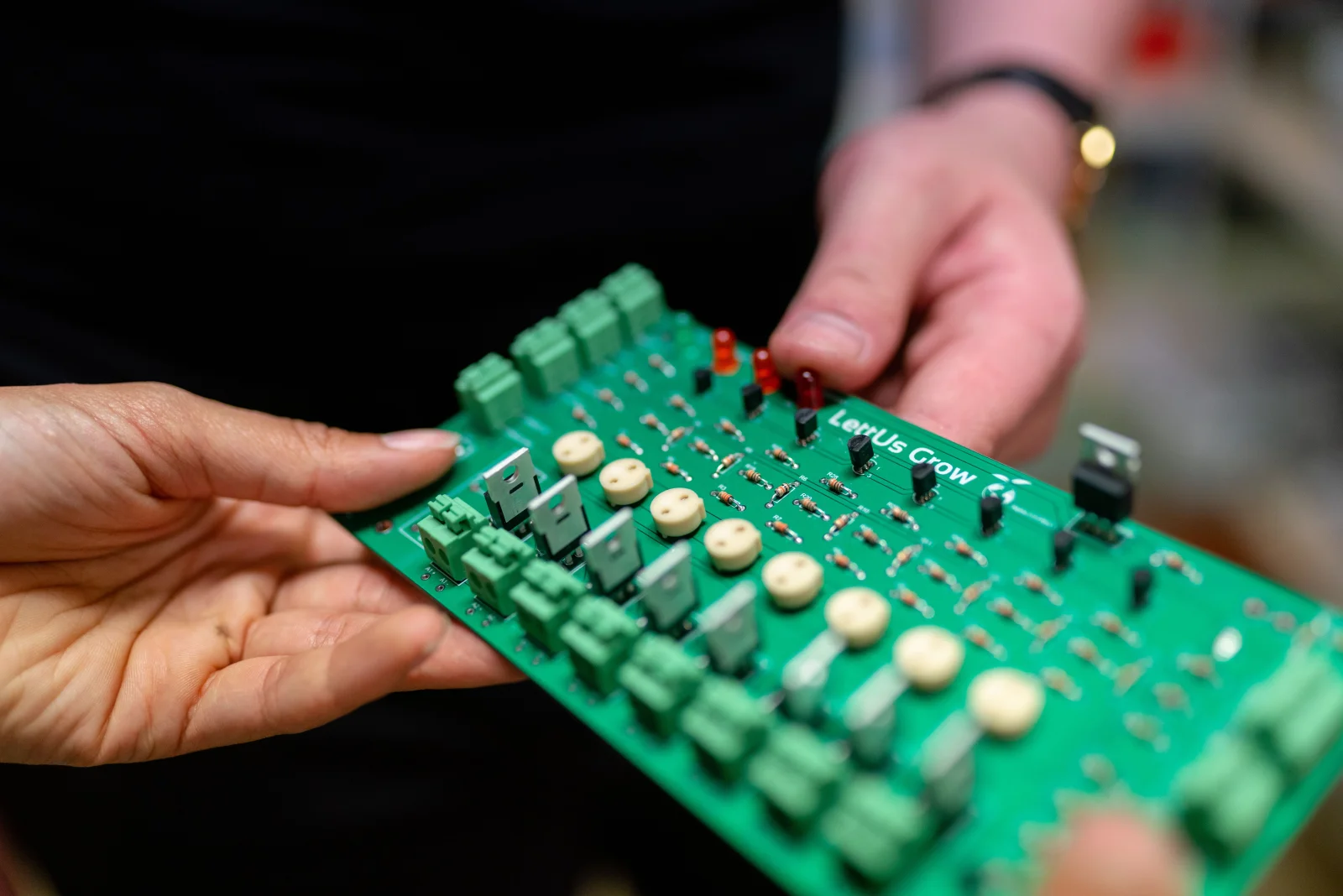
Embedded engineering is undergoing a transformation. The journey from silicon chips to fully integrated systems is more dynamic than ever, bringing new challenges and opportunities. The stakes are high as industries rely on embedded systems for essential functions, demanding innovation and precision.
Chapter 01
The Foundation of Embedded Systems
Explore the core components and design philosophies that drive embedded engineering.
The Building Blocks of Embedded Systems
The world of embedded engineering begins at the silicon level. Here, microchips are designed to handle specific tasks efficiently. These chips form the heart of embedded systems, providing the necessary processing power and connectivity.
- Microcontrollers: Central to controlling embedded systems.
- Sensors: Enable interaction with the environment.
- Actuators: Convert electrical signals into physical actions.
- Firmware: Bridges hardware with operational software.
- Real-time operating systems (RTOS): Ensure timely task execution.
- Networking interfaces: Facilitate communication between devices.
Design Considerations
Designing an embedded system requires balancing various factors such as power consumption, processing requirements, and cost. Engineers must also consider:
- Scalability to accommodate future updates.
- Security to protect against vulnerabilities.
- Real-time processing for time-sensitive applications.
Historical Context
Embedded systems have evolved from simple control mechanisms to complex networks. The introduction of the Internet of Things (IoT) has further expanded their role, pushing for more sophisticated integration and connectivity.
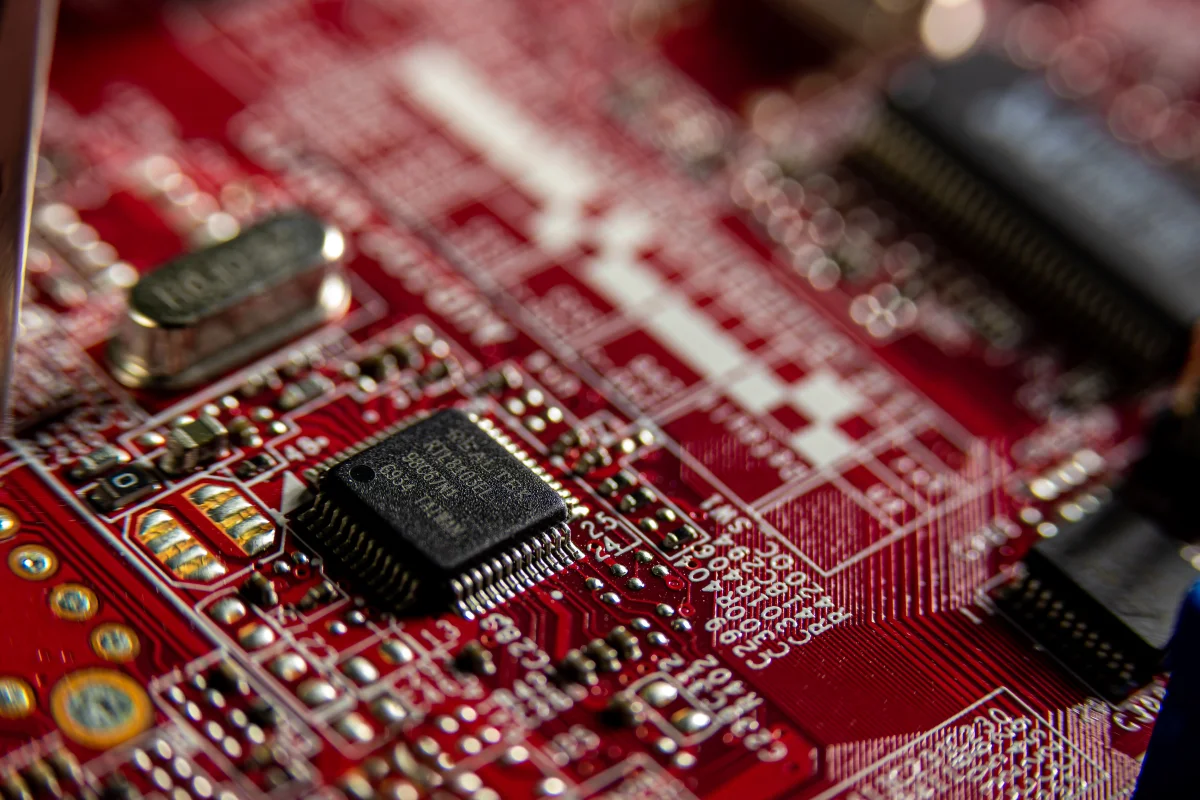
The world of embedded engineering begins at the silicon level.
Chapter 02
Integrating Software and Hardware
Discover the complexities and strategies involved in merging software with hardware in embedded systems.
Narrative flow
Scroll through the argument
01
Step 1: Hardware Selection
Choosing the right components is critical. Engineers must evaluate processors, sensors, and connectivity options that meet the system's specifications.
02
Step 2: Software Development
Software must be tailored to leverage hardware capabilities efficiently. This involves writing optimized code for performance and power management.
03
Step 3: System Testing and Validation
Comprehensive testing ensures reliability. This phase includes stress tests, security checks, and real-world simulations.
Real-World Integration
A practical example of integration is in automotive systems, where embedded systems manage everything from engine performance to in-car entertainment. Each component must work seamlessly to ensure optimal vehicle operation.
Challenges in Integration
Despite advancements, integration poses several hurdles:
- Synchronizing software updates with hardware capabilities.
- Ensuring real-time processing without latency.
- Maintaining system security against evolving threats.
Embedded Systems in Action


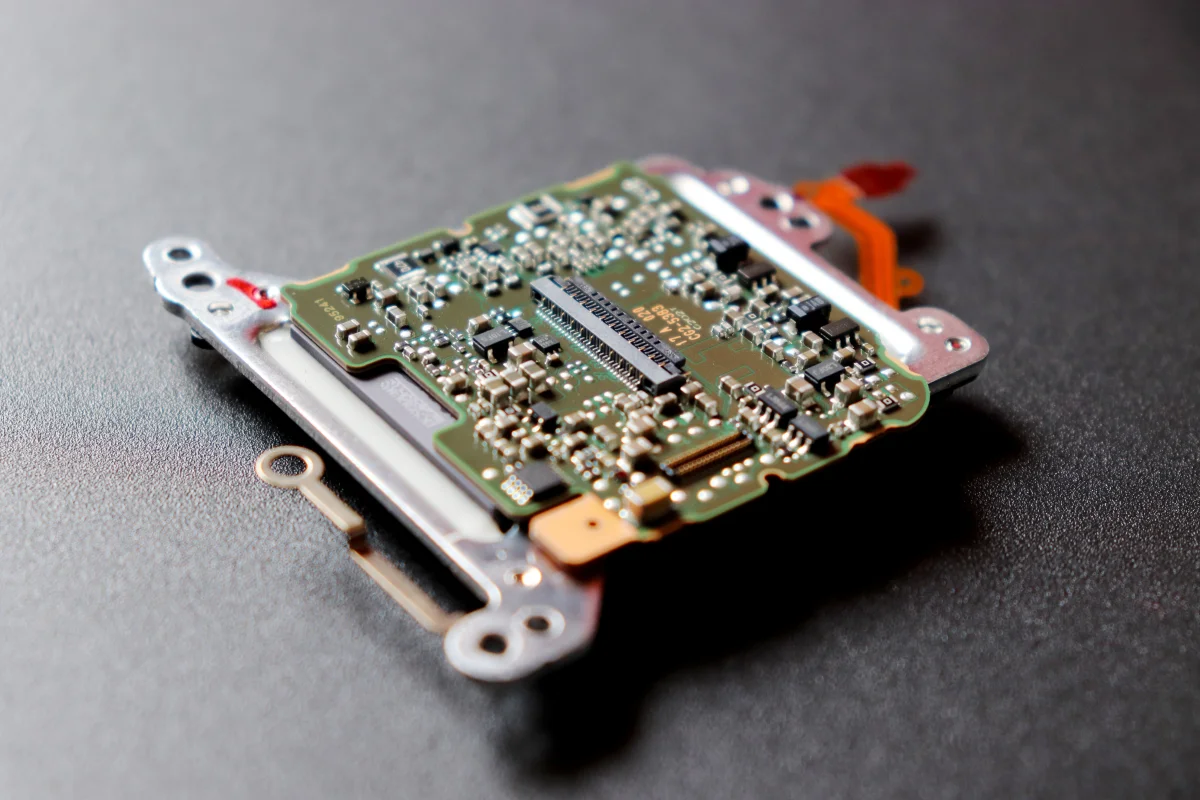
Integration is key to the success of embedded systems. The ability to seamlessly merge software and hardware defines their efficiency and reliability. As technology advances, this integration will become even more critical, shaping the future of industries worldwide.
Chapter 03
The Future of Embedded Engineering
Looking ahead, the evolution of embedded systems promises exciting advancements and new challenges.
Charting the Course Forward
The future of embedded engineering is bright, driven by advancements in AI and machine learning. These technologies offer new possibilities for smarter, more autonomous systems.
- AI Integration: Enhances decision-making processes.
- Energy Efficiency: New materials and designs reduce consumption.
- Connectivity: 5G and beyond enable faster, more reliable connections.
- Security Innovations: Protect systems from increasingly sophisticated threats.
- Customization: Tailor systems to specific applications and industries.
Real-World Impact
Smart cities, powered by embedded systems, illustrate the transformative potential of this field. From traffic management to energy distribution, these systems offer efficient, sustainable solutions.
Best Practices for Future Development
To harness the full potential of embedded systems, developers should focus on:
- Continuous learning to stay updated with technological advancements.
- Collaborative development to integrate diverse expertise.
- Emphasizing security from the design phase.
Chapter 04
Conclusion and Long-Term Vision
Reflecting on the evolution and future possibilities of embedded engineering, offering a roadmap for what's next.
Envisioning Tomorrow’s Systems
The intersection of embedded engineering and emerging technologies heralds a new era of innovation. This progress promises to redefine industries, making processes more efficient and systems more intelligent.
Practical Implementation Steps
To prepare for this future, companies should:
- Invest in R&D to explore new technologies.
- Foster partnerships with tech innovators.
- Implement agile frameworks to adapt quickly to changes.
Trade-Offs and Considerations
While promising, this future requires careful consideration of:
- Balancing innovation with ethical implications.
- Managing the environmental impact of widespread deployment.
- Ensuring accessibility and affordability of advanced systems.
The future of embedded engineering is both exciting and challenging. As systems become more complex, the integration of hardware and software will be crucial in unlocking new potentials. The journey from silicon to systems is just the beginning.