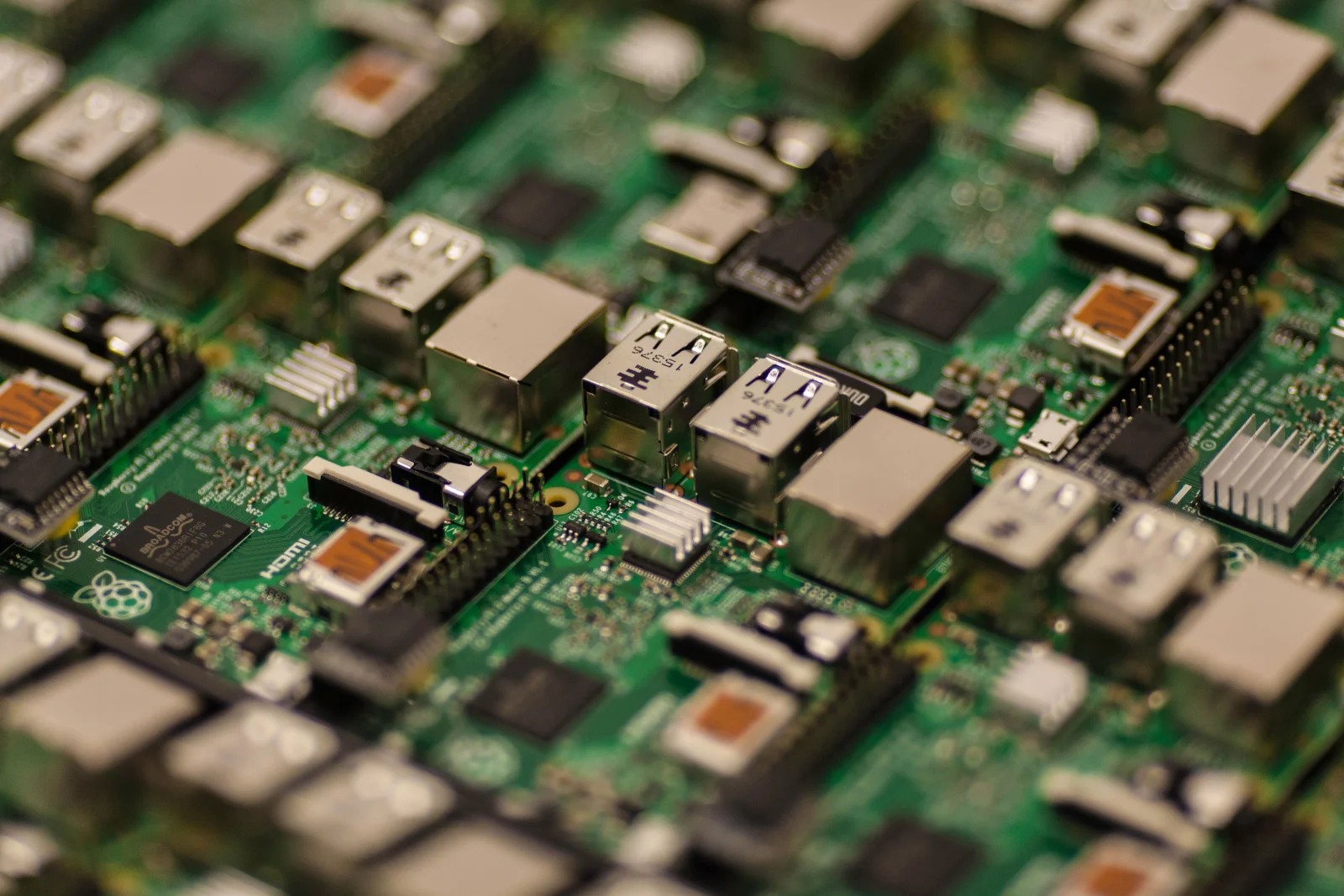
The advent of hybrid microcontrollers marks a pivotal shift in the domain of embedded computing. By merging the capabilities of traditional CPUs with the adaptability of FPGAs, these devices are redefining what’s possible in the world of embedded systems. This transformation is particularly impactful for IoT applications, where real-time processing and flexibility are paramount.
Chapter 01
The Rise of Hybrid Microcontrollers
Exploring the evolution of microcontrollers and what makes hybrid versions stand out.
Understanding Hybrid Microcontrollers
Hybrid microcontrollers integrate both processing power and programmable logic. Unlike their traditional counterparts, they feature a CPU for standard tasks and an FPGA for custom functions, allowing for a unique combination of speed and adaptability.
The Need for Flexibility
Across the industry, demand for flexible and powerful microcontrollers has grown exponentially. As devices become more interconnected, the ability to quickly adapt to new requirements without altering the hardware is invaluable. Hybrid microcontrollers meet this need by offering a platform that can be reprogrammed as demands change.
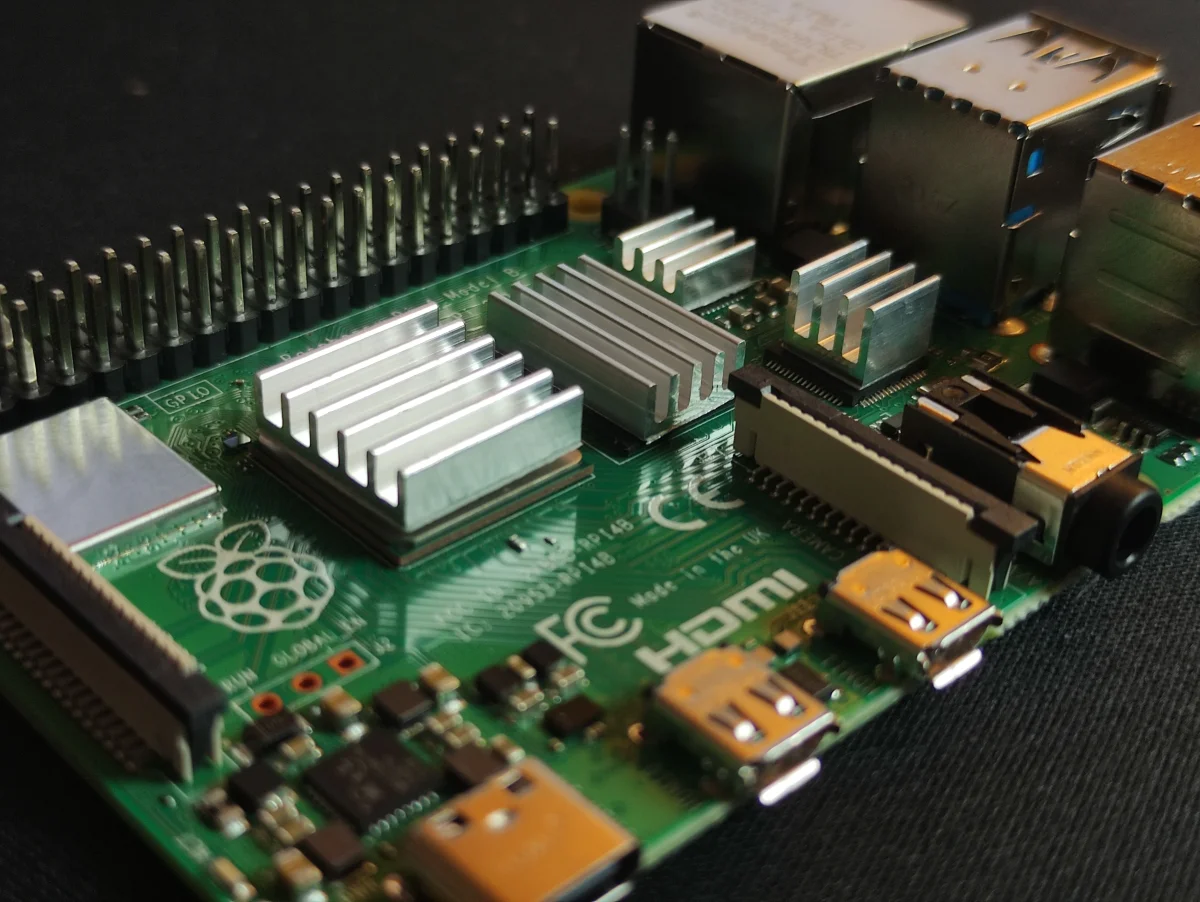
The advent of hybrid microcontrollers marks a pivotal shift in the domain of embedded computing.
Real-World Applications
Consider the field of smart home devices. These systems require rapid processing of data from numerous sensors while remaining adaptable to new protocols and standards. Hybrid microcontrollers enable developers to update functions without replacing the hardware, ensuring long-term viability and cost-effectiveness.
Narrative flow
Scroll through the argument
01
Step 1: Integration
Hybrid microcontrollers combine CPU and FPGA architectures, enabling seamless integration of multiple tasks.
02
Step 2: Adaptability
Their reprogrammable nature allows them to adjust to new requirements effortlessly.
03
Step 3: Efficiency
They reduce the need for separate components, streamlining design and improving power efficiency.
Chapter 02
Designing for the Future
How hybrid microcontrollers pave the way for future innovations in embedded systems.
Simplifying Complex Designs
Hybrid microcontrollers not only enhance functionality but also simplify the design process. By integrating multiple functions into a single chip, they reduce the complexity of board layouts and the number of components needed. This simplification leads to smaller, more efficient devices.
The Impact on Development
For developers, hybrid microcontrollers offer a more efficient workflow. They speed up the development cycle by allowing for rapid prototyping and testing. This efficiency is crucial in industries where time-to-market is a critical factor.
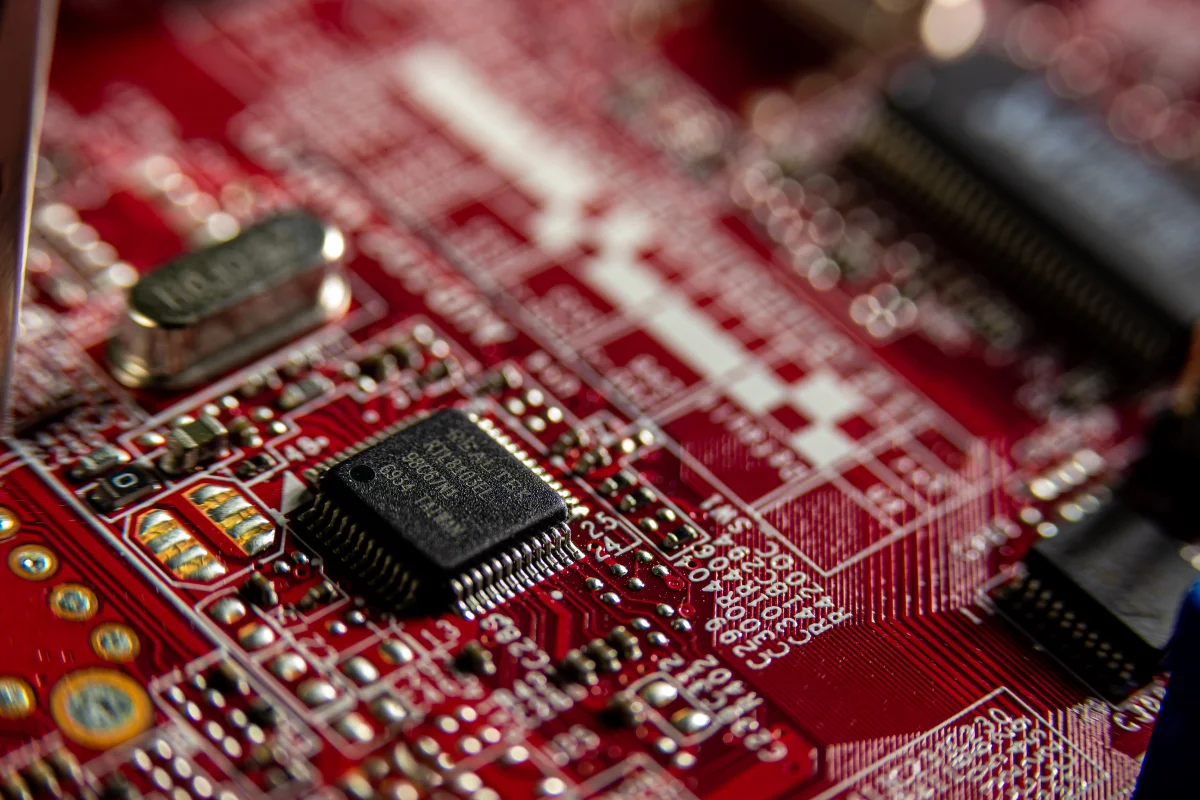
Hybrid Microcontroller Innovations
A Code Example
Let’s examine a simple example of configuring a hybrid microcontroller for an IoT application:
<CodeBlock code={`
#include <hybrid_controller.h>

int main() {
    init_cpu();
    init_fpga();

    while (1) {
        process_data();
        adapt_to_changes();
    }
    return 0;
}`} lang="c" filename="iot_app.c" />
This snippet demonstrates the initialization of both the CPU and FPGA components, showcasing the straightforward nature of developing with hybrid microcontrollers.
In conclusion, the shift towards hybrid microcontrollers is not just a technological advancement but a necessary evolution in embedded computing. By combining the strengths of CPUs and FPGAs, they offer unparalleled flexibility and power, making them the optimal choice for modern IoT applications. As we continue to push the boundaries of what’s possible, hybrid microcontrollers stand at the forefront, leading the charge into a future where adaptability and efficiency are king.