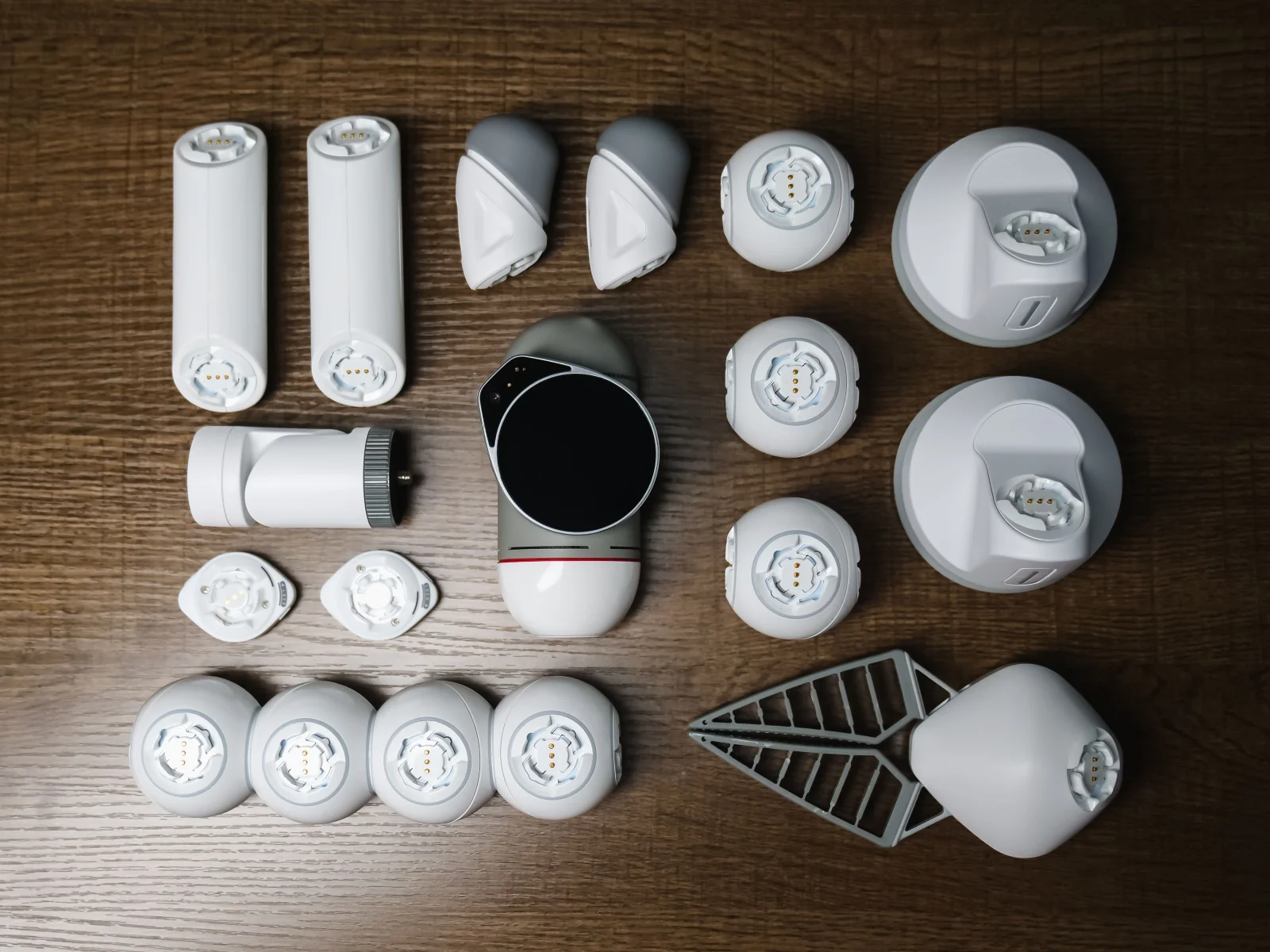
HoverAir’s modular drone technology is setting new standards for versatility in the drone sector. With components that can be swapped out, these drones are capable of tackling a wide range of tasks, from monitoring agriculture to responding to emergencies. This capability is not just a technical milestone; it represents a strategic shift, ensuring significant gains in operational efficiency and cost reduction.
Chapter 01
The Core of Modular Innovation
Explore the foundation of HoverAir's technology and its transformative potential across industries.
Modular Design: The Heart of Transformation
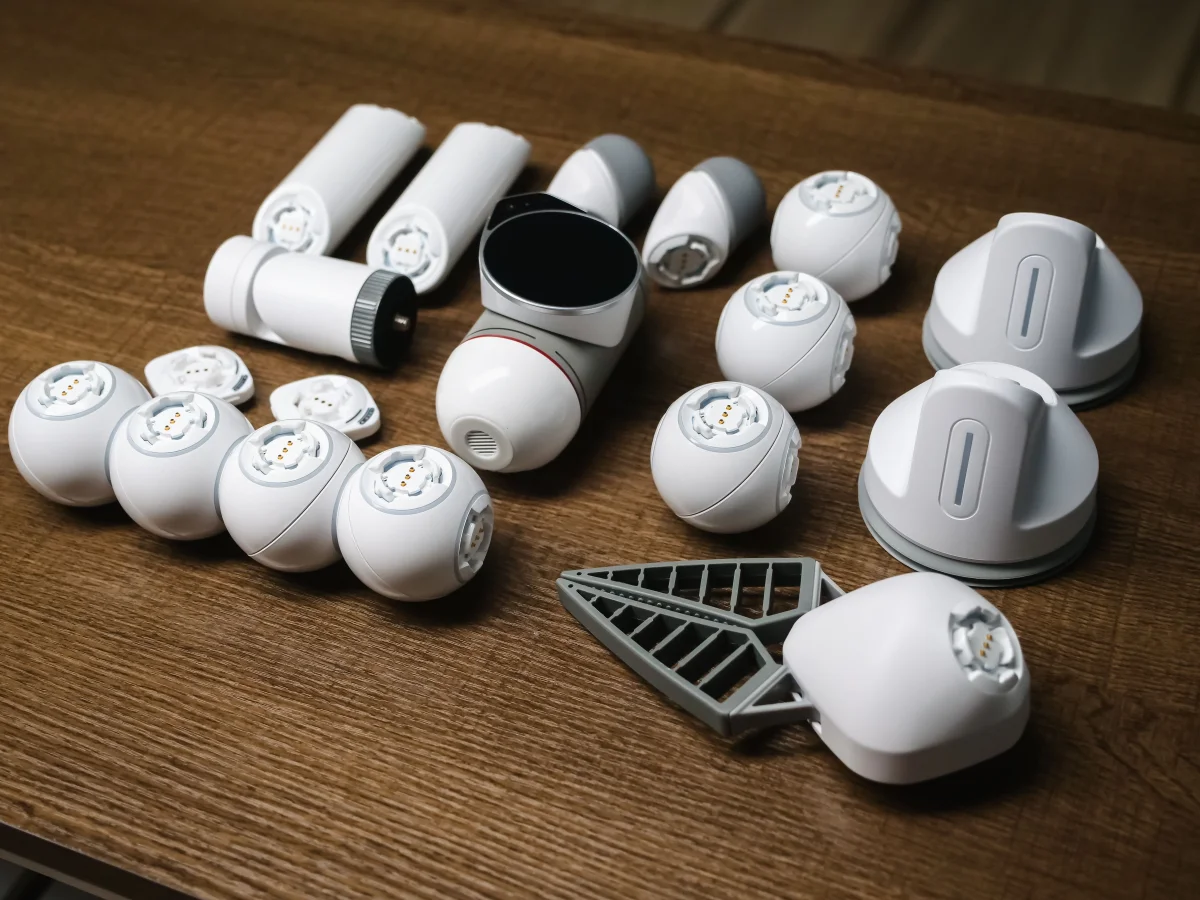
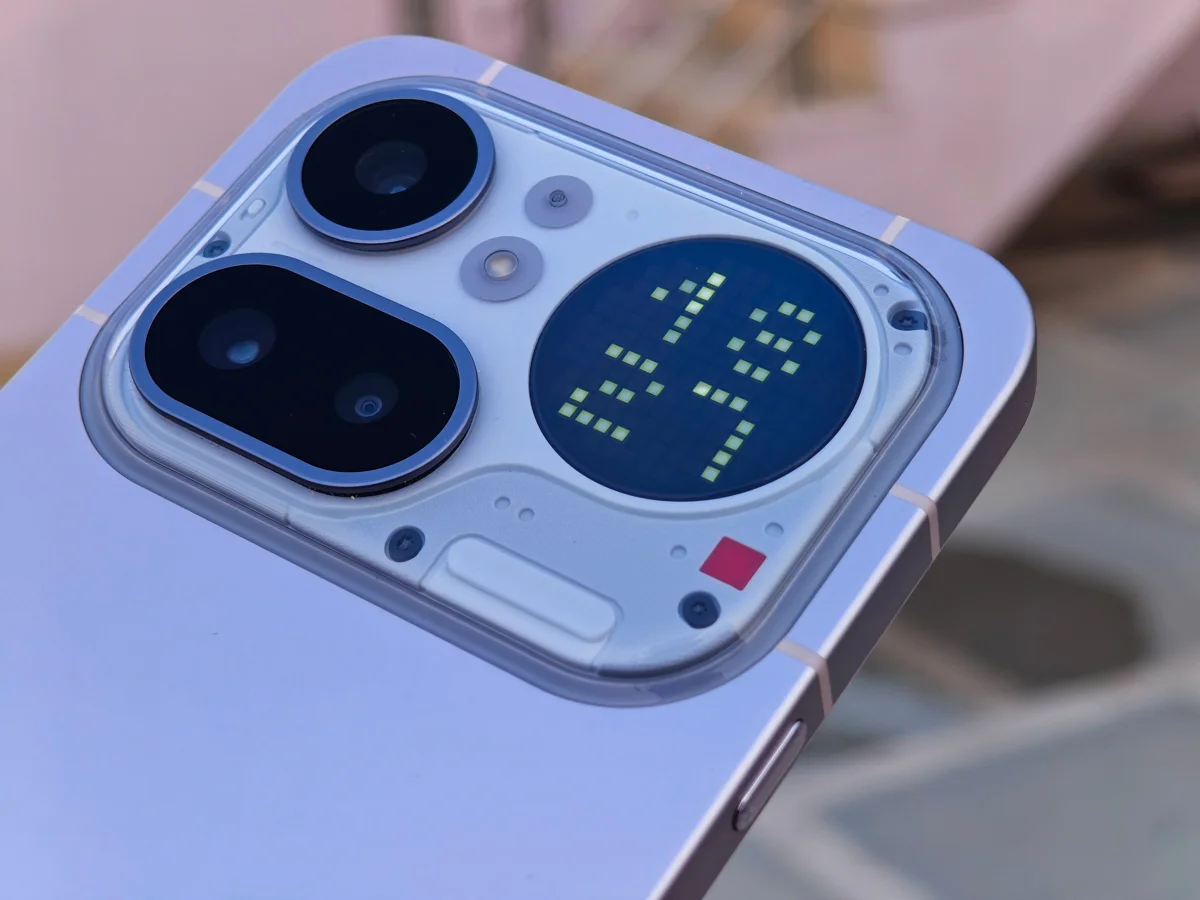
HoverAir’s method is simple yet groundbreaking. By enabling drones to change components like cameras and sensors, a single drone can serve multiple purposes. This innovation reduces the dependency on a fleet of specialized drones.
- Agriculture: A drone can effortlessly transition from monitoring crops to controlling pests.
- Emergency Services: Shift from surveillance duties to transporting medical supplies smoothly.
- Logistics: Accept varying payloads, eliminating the necessity for distinct drone models.
The real power of modularity lies in its ability to adapt on the fly.
A drone technology analyst
Efficiency and Cost-Effectiveness
When considering cost, the impact is notable. Conventional drones typically require large fleets to address different needs, but HoverAir’s modular design minimizes this demand. This translates to lower hardware investments and quicker financial returns for businesses.
Narrative flow
Scroll through the argument
01
Step 1: Initial Setup
Businesses start with a foundational drone system, choosing modules based on their immediate needs.
02
Step 2: Adapting to Tasks
As tasks evolve, modules are swapped without replacing the drones.
03
Step 3: Long-Term Savings
Reducing the need for specialized gear cuts expenses and eases maintenance.
Chapter 02
Applications That Change the Game
Discover real-world scenarios where modular drones make a tangible impact.
Real-World Applications and Impact
HoverAir’s technology brings more than theoretical advantages. In agriculture, drones use specialized sensors to assess crop health, offering farmers valuable data. A quick switch to a different module allows these drones to apply treatments like fertilizers or pesticides, boosting both efficiency and sustainability.
HoverAir in Action

Challenges on the Horizon
While the benefits are clear, some challenges persist. The intricate nature of modular systems can complicate maintenance. Integrating these drones with current infrastructure is another consideration. Companies need to evaluate these concerns, making sure they possess the technical knowledge to support these advanced systems.
HoverAir’s modular technology is on track to revolutionize drone utility. By closing gaps across various industries, it previews a future where adaptability and efficiency are standard. As this technology evolves, its transformative influence is clear, heralding an era where drones are both versatile and indispensable.