
Autonomy in AI offers an enticing vision of machines making independent decisions, operating without direct human input. This captivating idea suggests a future filled with innovation, but prioritizing autonomy as a metric in AI product development carries significant risks. This article examines why, despite its role as a catalyst for advancement, autonomy can be the most perilous metric for a product to emphasize.
Chapter 01
The Allure of Autonomy
Autonomy is often seen as the pinnacle of AI development, promising efficiency and innovation.
Why AI Autonomy is So Tempting
AI innovation holds autonomy as its highest goal, inspiring dreams of cities managed by seamless automation and machines functioning without human oversight. However, this fascination with autonomy can obscure the significant complexities and potential dangers associated with these systems.
- Systems tout efficiency by promising streamlined processes.
- Self-operating tech introduces groundbreaking possibilities.
- Scalability means systems expand without needing constant oversight.
- Human resource costs drop significantly with these technologies.
- Machines often appear more dependable and less prone to mistakes.
- A competitive edge is gained with autonomous product offerings.
Balancing Promise with Risk
While the potential of autonomy is immense, it comes paired with considerable hazards. As systems assume more control, the chance of mistakes grows, which can lead to severe financial and trust losses. The autonomy that aims to set us free may ultimately entrap us in unforeseen issues.
Looking Back Through Time
Though it seems modern, the quest for autonomy has historical roots. From early automation on factory floors to contemporary AI systems, each stride toward independence has required reevaluating control to manage unintended results. Human intervention has repeatedly been necessary to retrain balance in the aftermath.

In the world of AI innovation, autonomy stands as a beacon of ultimate achievement.
Chapter 02
Navigating the Risks
Understanding the risks associated with AI autonomy is crucial for safe and effective deployment.
Narrative flow
Scroll through the argument
01
Identifying Potential Failures
Before deploying autonomous systems, it's vital to identify where they might fail. Predictive analysis can help in pinpointing potential errors.
02
Implementing Safeguards
Once potential failures are identified, we must implement safeguards that can either prevent these errors or mitigate their impact when they occur.
03
Continuous Monitoring
Autonomous systems require ongoing monitoring to ensure they operate as intended, adapting to new data and conditions.
Strategies for Risk Management
The establishment of safeguards is essential. This involves constructing rigorous testing conditions and implementing failsafe protocols that prompt human intervention when needed. Ongoing monitoring ensures that these systems continue to learn and adapt, maintaining both their safety and effectiveness.
Examining a Different Perspective
Autonomy in technology is often discussed, but it carries philosophical implications too. It challenges our notions of responsibility and control. When machines take over decision-making, who then holds the accountability?
Common Assumptions and Errors
A prevalent myth is that autonomy guarantees faultlessness. However, the truth is autonomous systems can magnify existing biases and mistakes, making them harder to spot and rectify.
Autonomy in Action
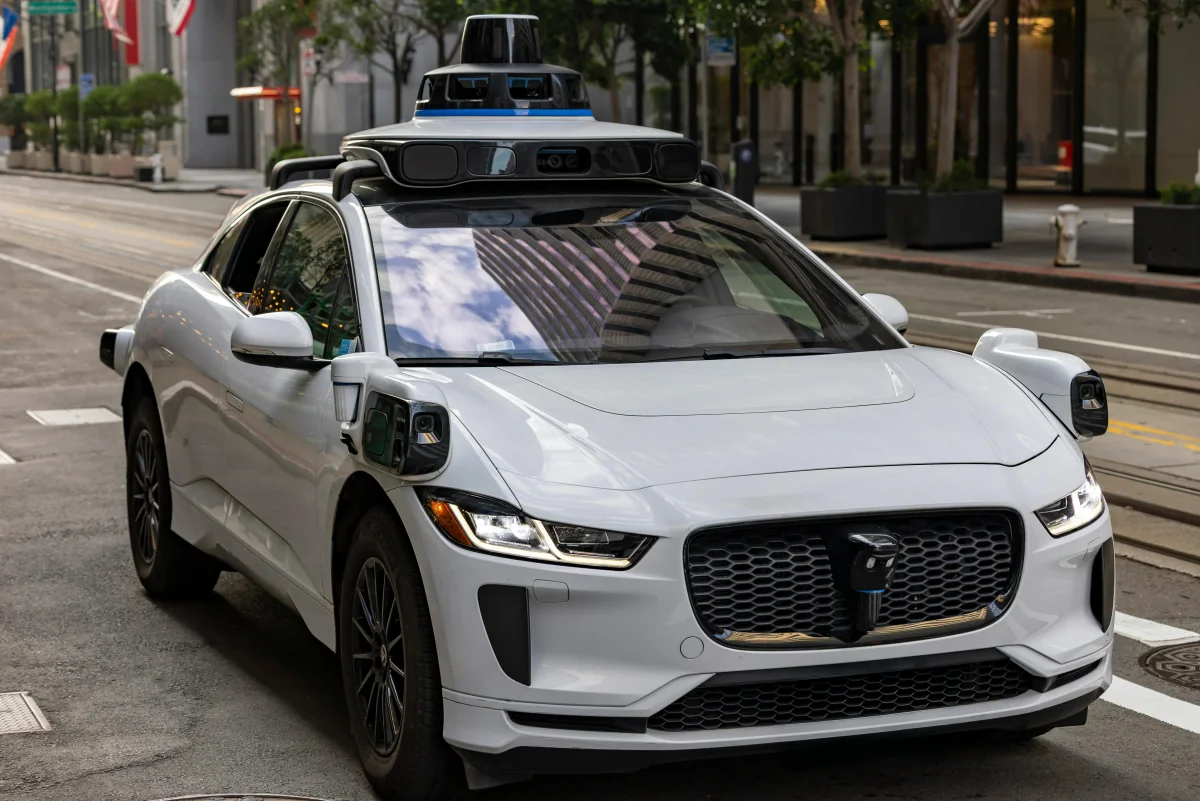


As AI systems advance, the focus on autonomy will intensify. Nevertheless, understanding the risks and instituting effective safeguards is vital. It’s a delicate balance between pushing boundaries and exercising caution, where an imbalance could impede progress.
Chapter 03
Future Implications
What does the future hold for AI autonomy, and how can we prepare for it?
Preparing for an Autonomous Era
As we edge closer to a new chapter in AI development, understanding the profound implications of autonomy is critical. The main challenge is crafting systems that remain both innovative and secure.
- Ensuring ethical decision-making in autonomous tech is a pressing concern.
- Global standards for AI autonomy must be developed and agreed upon.
- Transparency and accountability are key to building public trust.
- Collaboration across various disciplines is necessary to bridge technology with social considerations.
- Preparing the workforce for autonomous systems involves updated education and training.
- Developing strategies for potential failure scenarios is crucial.
A Practical Illustration
Take, for example, autonomous vehicles. While these vehicles could decrease accidents, they also pose new threats. The primary challenge is integrating them into our infrastructure in a way that boosts both safety and trust.
Guidelines and Suggestions
To effectively manage the intricacies of autonomy, organizations need to set best practices involving extensive testing, ethical guidelines, and ongoing feedback mechanisms to continue refining AI systems.
Chapter 04
Conclusion
Framing the future of AI autonomy through the lens of innovation and responsibility.
Shaping the Future
Ensuring that autonomy in AI is both beneficial and feasible involves overcoming numerous obstacles. Striking the right balance between innovation and responsibility will be essential to making sure these systems enhance rather than complicate human life.
Implementing Real-World Solutions
Key steps include investing in research to tackle the ethical and technical challenges posed by autonomy, developing policies promoting secure practices, and encouraging a culture of continuous learning and adaptability.
Weighing the Trade-offs
The advantages of autonomy are considerable, yet this progress demands a reevaluation of AI development strategies. Balancing speed with safety, innovation with ethics, and independence with careful oversight is crucial.
The final takeaway is unmistakable: autonomy is a significant metric in AI development, but it must be handled with care and foresight. As we step into this uncharted territory, let’s do so recognizing that the balance between autonomy and safety will shape AI’s success in our world.