
The Unit of Work pattern is a cornerstone in software architecture, especially within PHP development. It acts as a controller to coordinate and manage complex transactions, ensuring that all operations within a business process are executed as a single unit. In the dynamic world of web development, where data integrity is paramount, mastering this pattern can be the difference between efficient systems and chaotic ones.
Chapter 01
Understanding the Unit of Work
Grasp the essentials of the Unit of Work pattern.
The Core Concept
The Unit of Work pattern is designed to manage a set of database operations as a single transaction. This means that either all operations are committed to the database, or none are. This pattern is essential for maintaining data integrity and consistency.
- Enforces atomicity and consistency.
- Reduces the likelihood of data corruption.
- Simplifies the management of complex business transactions.
- Centralizes transaction logic.
Implementing the Unit of Work pattern in PHP requires understanding its core components: the Transaction, Context, and Repository. These elements work in harmony to ensure operations are executed smoothly.
Transaction Management
At the heart of the Unit of Work is transaction management. A transaction is initiated at the beginning of a business process and committed only if all operations are successful. This ensures that the system’s state remains consistent even in the face of errors.
Context and Repository
The Context acts as a memory buffer for tracking changes. Meanwhile, the Repository provides an abstraction over data storage, allowing developers to interact with data without dealing with the underlying database complexities.

The Unit of Work pattern is a cornerstone in software architecture, especially within PHP development.
Chapter 02
Implementing Unit of Work in PHP
Step through the implementation process to bring the pattern to life.
Narrative flow
Scroll through the argument
01
Define the Transaction
Begin by defining the transaction boundaries. This involves identifying all operations that must succeed or fail together.
02
Implement Context
Create a context to track changes. This acts as a layer between your application and the database, ensuring consistency.
03
Create the Repository
Develop the repository layer to abstract and manage data access. This shields the application from database-specific details.
Step-by-Step Example
To implement the Unit of Work pattern, we start by defining a transaction in PHP. Here’s a simple example:
<CodeBlock code={`<?php
class UnitOfWork {
  private $transaction;

  public function __construct($transaction) {
    $this->transaction = $transaction;
  }

  public function commit() {
    try {
      $this->transaction->begin();
      // Perform operations
      $this->transaction->commit();
    } catch (Exception $e) {
      $this->transaction->rollback();
    }
  }
}
`} lang="php" filename="UnitOfWork.php" />
Contextual Buffer
The context acts like an in-memory database, holding changes that are pending a transaction commit. It buffers these changes, allowing for rollback if an error occurs:
<CodeBlock code={`<?php
class Context {
  private $entities = [];

  public function registerNew($entity) {
    $this->entities['new'][] = $entity;
  }

  public function registerDirty($entity) {
    $this->entities['dirty'][] = $entity;
  }
}
`} lang="php" filename="Context.php" />
Repository Abstraction
The repository pattern further decouples the application from the database, allowing for easy swapping of database technologies:
<CodeBlock code={`<?php
class UserRepository {
  public function addUser($user) {
    // Code to add user to the database
  }

  public function updateUser($user) {
    // Code to update user in the database
  }
}
`} lang="php" filename="UserRepository.php" />
Unit of Work in Action

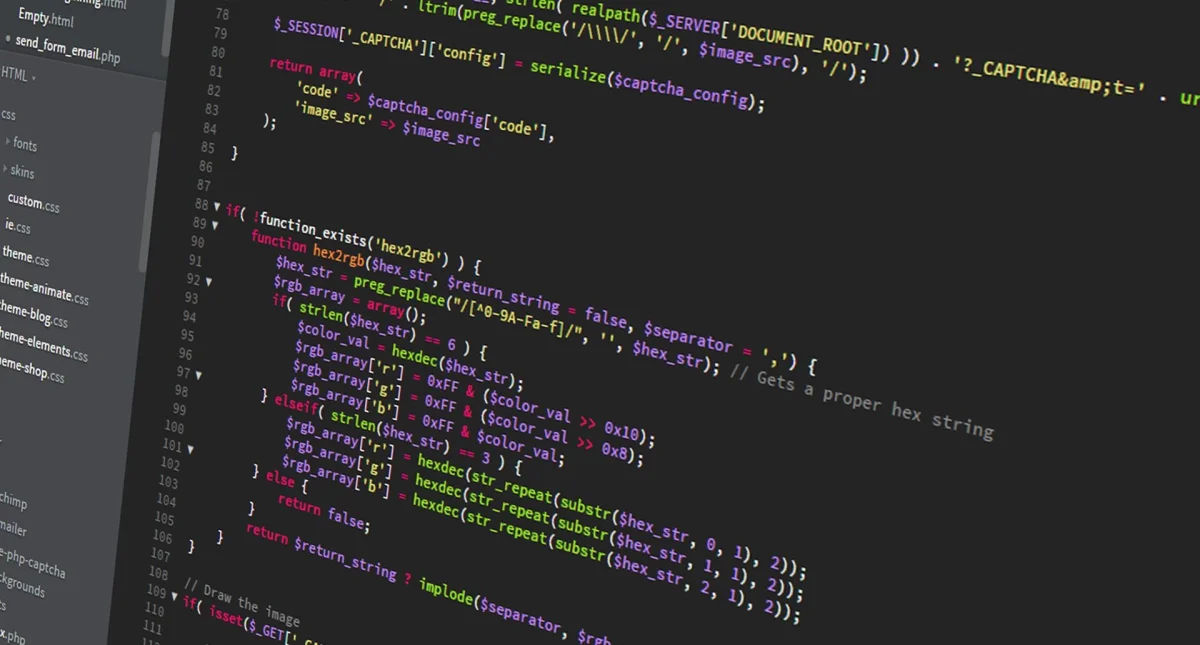

The power of the Unit of Work lies in its ability to synchronize changes and maintain consistency across operations. By isolating transaction logic, PHP developers can ensure that their applications remain robust and error-resistant even under heavy loads. This pattern is not just about transaction management; it’s about building resilient systems.
Chapter 03
Best Practices and Pitfalls
Navigate the common challenges and best practices for effective implementation.
Practical Considerations
When implementing the Unit of Work pattern, consider the following best practices:
- Ensure all operations within a transaction are idempotent to avoid unintended side effects.
- Use dependency injection for managing context and repository instances.
- Test transaction boundaries thoroughly to catch potential rollback issues.
- Document transaction flows to maintain clarity and ease of maintenance.
Real-World Application
In a real-world scenario, the Unit of Work pattern can be applied to manage complex order processing in an e-commerce application. By grouping order creation, inventory updates, and payment processing into a single transaction, data consistency is maintained.
Avoiding Common Pitfalls
A common mistake is neglecting proper error handling, which can lead to partial transactions. Always implement comprehensive error capturing and logging to aid in debugging and maintaining transaction integrity.
Mastering the Unit of Work pattern in PHP not only enhances transaction management but also elevates the overall software architecture. Applying this pattern ensures that your applications remain scalable, maintainable, and resilient against failures. In the pursuit of robust systems, the Unit of Work is an indispensable tool.